Food Waste vs Food Loss: The Difference Between Them

You’ve probably heard a lot about food waste recently. Especially about finding ways to reduce food waste at home. There’s no doubt about it: food waste and food loss are a big problem. In fact, about 30% of the food annually produced is discarded every year. That’s so much food! But did you know that there’s a difference between food waste vs food loss?
There is a difference between the impact of food that's discarded at the consumer level and in the food supply chain. Both contribute to greenhouse gas emissions, climate change, and food insecurity. The cost is drastic. According to the UN, food loss and waste generate around 8% of all human-caused greenhouse gas emissions each year – around the same as the global tourism industry. Understanding the differences between food waste and food loss can help us better understand best practices and how to reduce it.
Understanding Food Waste vs Food Loss: Key Distinctions
Food wastage and food loss are terms often misused and interchanged. Yet they signify distinct issues within the food supply chain and present different obstacles.
What is Food Loss?
Food loss refers to any food product that is discarded, incinerated, or otherwise removed from the supply chain. It has no end of life back in the food system. Food loss includes spoilage from cooking loss, mold, pests, or inadequate climate control. Food loss is typically food that shouldn't be consumed for food safety issues.
What is Food Waste?
On the other hand, food waste involves discarding food based on its quantity or quality. For example, viable food is being thrown away due to its color or appearance. Food waste also encompasses consumer behavior, such as discarding unfinished meals or food near, at, or past its expiration date. You can read more about the problem with food waste here.
In both scenarios, the result is the same – one-third of food is not provided for human consumption. Whether due to the quality of food, visual standards, or spoilage, there are impacts of each. Here's a diagram that helps you understand the differences between food loss vs food waste:

The Broader Impact of Food Loss and Waste
Farmers, food suppliers, food distributors, and retailers face numerous challenges in delivering food to consumers. Alarmingly, about one-third of all food produced for consumption is discarded. This wastage represents a colossal misuse of resources, including land, labor, energy, and natural gas. These are expended mostly at the expense of farmers and food manufacturers. The disposal of food waste significantly contributes to greenhouse gas emissions, exacerbating climate change.
Meanwhile, the Food and Agriculture Organization of the United Nations (FAO) estimates that approximately 820 million people globally are food insecure. The paradox of abundant food and widespread hunger is deeply troubling. While the concept of redistributing food to the hungry appears straightforward, numerous challenges complicate this goal. It's estimated that 8% of all global emissions can be attributed to food waste and food loss. Both contribute to greenhouse gases, but there are different impacts and ways to measure food waste vs food loss.
The Food Loss Index
The Food Loss Index (FLI), developed by the FAO, measures food loss during various stages of the supply chain, from post-harvest to pre-retail. It focuses on reducing food loss, a key component of SDG Target 12.3. This aims to halve global food waste and reduce losses in production and supply chains. The FLI collects data from national statistics and surveys to provide reliable indicators for tracking progress. It helps local governments and policymakers identify significant loss points and develop targeted strategies. It calculates global food losses in our current food system so we can determine the areas of food that are higher than others. Reducing food loss enhances economic returns, reduces the environmental footprint, and improves food security by ensuring more food reaches consumers.
Regional Disparities in Food Production and Waste
Agricultural yields and food production vary significantly by region. As a result, food waste and food loss occur at different stages of the food chain in different regions.
The developed world typically produces more food per capita annually, but it also experiences higher rates of consumer-related food waste. This is due to greater advancements in agriculture, safety standards, and food manufacturers that are able to preserve food. Most food waste occurs at the household level.
Conversely, in the developing world, many countries have lower food production. In turn, consumer waste is less prevalent, but substantial food loss occurs during production, post-harvest, and retail phases. In developing regions, the ratio of consumer waste to post-harvest loss is much higher, often due to inadequate food distribution infrastructure. Challenges include insufficient transportation capabilities, lack of climate-controlled vehicles, and limited food-grade transportation options. The nature of the produce and insufficient manufacturing capabilities to extend shelf life further exacerbate food loss.
Addressing these issues requires enhancing physical infrastructure, improving distribution capabilities, and adopting advanced technologies to prolong food shelf life. By implementing these changes, the amount of food waste can be significantly reduced, contributing to a more sustainable food system.
How do Food Waste & Food Loss Impact Food Security
Food waste and food loss significantly undermine global food security by diminishing the availability of food that could otherwise provide nutritional value to millions of people. Inefficiencies in the food supply chain range from production and post-harvest handling to retail and consumer behavior. Both result in substantial quantities of food being discarded, and people being left hungry. This wasteful practice not only squanders valuable resources like water, land, and energy. It also exacerbates food insecurity and food scarcity, particularly in vulnerable communities. With approximately 820 million people worldwide experiencing food insecurity, reducing food waste and loss is crucial. Implementing strategies to enhance supply chain efficiency, improve storage and distribution infrastructure, and promote sustainable consumption practices can bolster food security and ensure a more equitable distribution of food resources.
Sustainable Development Goals & Food Waste and Loss
The United Nations Sustainable Development Goals (SDGs) explicitly address the critical issues of food waste, food loss, and food security, particularly through Goal 2 (Zero Hunger) and Goal 12 (Responsible Consumption and Production). Goal 2 aims to end hunger, achieve food security, and promote sustainable agriculture. It includes measures to ensure access to sufficient, safe, and nutritious food for all.
A crucial component of this goal is the reduction of food loss along production and supply chains, including post-harvest losses. Goal 12 emphasizes the need to halve per capita global food waste at the retail and consumer levels and reduce food losses during production and supply. These targets recognize that minimizing food waste and loss is essential for alleviating hunger, conserving resources, and promoting environmental sustainability. The United Nations underscores the importance of coordinated global efforts to enhance food security and build a more sustainable food system through these goals.
Reducing Food Waste and Food Loss: Strategies and Challenges
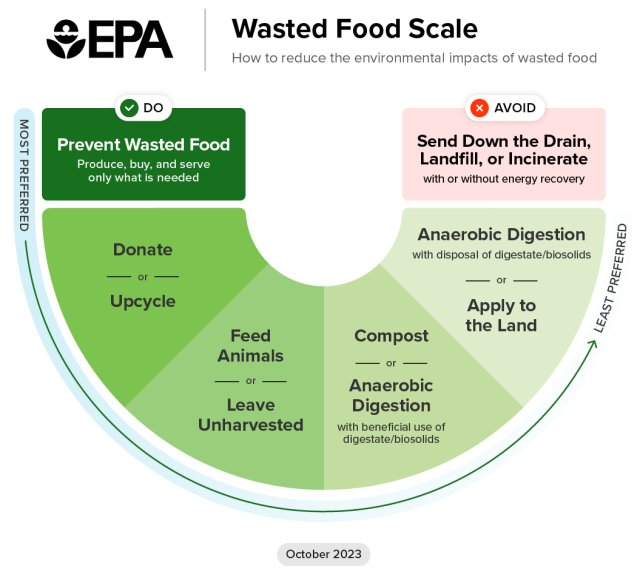
The EPA has developed a comprehensive scale of methods to mitigate the impact of food waste, known as the Wasted Food Scale. This scale ranks the strategies from least to most recommended: incineration or landfill, composting, industrial uses, animal feed, feeding the hungry, upcycling, and source reduction. This framework reflects the EPA's recognition of the critical issues surrounding food waste and insecurity in the United States. It highlights source reduction and optimized production as the most effective approaches. Upcycling was a recent amendment from the previous food waste hierarchy, which is exciting for foods in this space.
In developed countries, the majority of food waste is generated from home cooking, plate waste, and pre-consumer food waste, which typically ends up in landfills. This disposal method, though simple and widespread, is environmentally detrimental, contributing to significant greenhouse gas emissions. Food waste in landfills accounts for approximately 23% of methane emissions, which are 25 times more harmful to the ozone layer than carbon dioxide.
Composting & Upcycling
Composting presents a viable alternative to landfill disposal, significantly reducing methane emissions. When organic waste decomposes through composting, it enriches soil quality, decreases the need for chemical fertilizers, and enhances crop yields. Additionally, composting improves soil water retention and sequesters carbon naturally. The EPA advocates for composting to improve soil health, manage pollution, and support ecological restoration projects. However, the adoption of composting is not yet widespread enough to fully address the food waste challenge.
Innovative practices like upcycling have gained traction among companies committed to sustainability. Upcycling involves repurposing used materials into higher-value products. For example, spent grains from beer production are transformed into food products like crackers or breads, while fruit skins from juice production are used in cosmetics. Despite these efforts, shifting market demands, particularly in the pet food industry, complicate the up-cycling process and increase food waste.
Challenges with Food Waste & Food Loss
Feeding the hungry appears to be a logical solution to excess food, but logistical challenges often hinder this effort. Issues such as short shelf life, inadequate infrastructure, and the environmental impact of transportation complicate food distribution. Local food banks play a crucial role in redistributing food past its expiration date to those in need. NGOs and philanthropists work globally to improve food production and storage methods to combat hunger.
Over time, routine disposal of food in landfills has led to significant methane emissions. To counteract this, engineers and scientists have developed Landfill Methane Capture Sites, which convert methane into natural gas for power. Although promising, this technology requires further development and cost optimization.
Overall, while various strategies offer potential solutions to food waste, a multifaceted approach is essential to effectively address this complex issue. Reducing food waste at the source, improving infrastructure, and embracing innovative technologies are critical steps toward a more sustainable food system.
The Good News – You Can Help
If you live in high-income countries, the good news is that you can have a direct impact to your own food waste to help combat the climate crisis. A few things you can do it to make sure you don't buy a surplus food, you use food before it's expiration dates, and preserve your uneaten food like storing it in the refrigerator or freezer. Many times, food waste at the consumption stage is a result of negligence. By making more conscious decisions around the food we have, there are many ways to prevent avoidable food waste and food loss.
Addressing the issue of food waste and food loss is pivotal for achieving a more sustainable and equitable global food system. By understanding the distinctions between food waste and food loss, we can better implement effective strategies to mitigate their impacts.
Reducing waste at the source, improving infrastructure, and adopting innovative technologies are essential steps. As we move forward, coordinated efforts at all levels—from local communities to international organizations—are necessary to make a significant difference. To stay informed on this crucial topic, follow along for more food waste solutions, subscribe to our updates, and don't forget to check out our new show, Made to Sustain – The Podcast, wherever you listen to your favorite shows.
Discover more from made to sustain
Subscribe to get the latest posts sent to your email.