What is Regenerative Agriculture? The Future of Farming

There’s a growing movement of sustainable food experts and enthusiasts advocating for a change in farming practices. The recent shift towards regenerative agriculture practices stems from a few promising studies and an awareness that proves to be superior to conventional agriculture processes. But what is regenerative agriculture?
Regenerative agriculture is more than a farming method; it’s a transformative approach that aims to revitalize and enhance the entire agricultural ecosystem. This practice prioritizes the health of soil, biodiversity, and integration with natural elements that work harmoniously with the ecosystem to produce food sustainably.
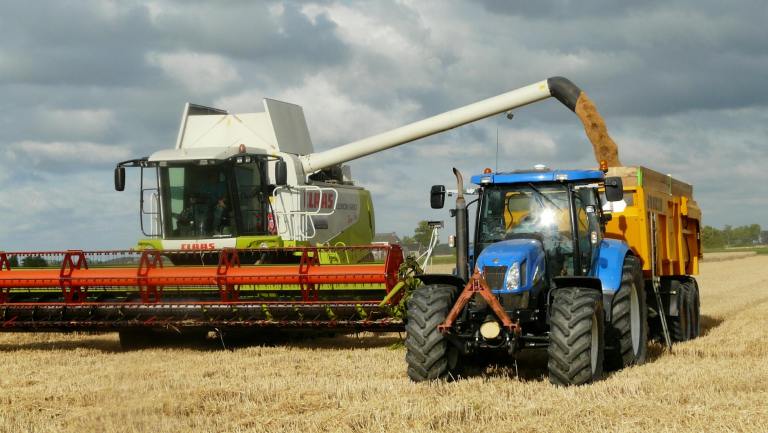
Conventional agriculture often relies on synthetic fertilizers and intensive practices that deplete the soil nutrients. Regenerative agriculture seeks to restore organic matter, improve soil fertility, and boost crop resilience. By focusing on soil health and creating an ecosystem, regenerative agriculture not only supports higher crop yields but also mitigates environmental impacts, offering a promising path for the future of farming.
One of our top trends this year was regenerative agriculture. It’s come up in our episode on Juneberry Ridge, our trends page, and our podcast. It’s a movement quickly picking up speed as an essential element of creating a more sustainable food system. Explore critical components of regenerative agriculture, the challenges with conventional agriculture, and the future of farming.
What is Regenerative Agriculture?
Regenerative agriculture is a holistic approach to farming that emphasizes soil health, biodiversity, and ecosystem services. This farming method goes beyond sustainable practices by actively working to regenerate and enhance the health of the soil rather than merely maintaining it. The principles of regenerative agriculture include minimal soil disturbance, diverse crop rotations, the use of cover crops, and the integration of livestock to mimic natural ecosystems. While there are no true definitions of regenerative agriculture, several organizations have looked to set standards and a baseline with regenerative practices.
In contrast with conventional agriculture, regenerative practices focus on reducing the use of chemicals, enhancing organic matter, and improving the water cycle. Conventional agriculture often relies heavily on synthetic fertilizers and pesticides, which can lead to nutrient depletion, soil erosion, water pollution, and a decline in overall soil health. In contrast, regenerative agriculture aims to create healthy soils that support higher yields and more resilient crops.
The Roots of Regenerative Agriculture
Historical background
The origins of regenerative agriculture stem from traditional farming practices used by indigenous peoples worldwide. Indigenous peoples respected the land and had a cherished relationship or mutual respect. These communities practiced land management techniques that worked with natural processes to maintain soil fertility and biodiversity. Over time, these practices were eroded by industrial agriculture, which prioritized high crop yields and efficiency over environmental health and plant nutrition.
Pioneers of regenerative agriculture brought attention to the importance of soil health and biodiversity. Their work laid the foundation for modern regenerative agricultural practices, which continue to evolve as we learn more about the complex interactions within ecosystems. Native populations had the most incredible understanding of living in harmony with nature, and we can learn a lot from them about restoring a balance between soil health and agriculture.

Whare are the Core Principles of Regenerative Agriculture
Soil health as the foundation
Healthy soil is the cornerstone of regenerative agriculture. The soil microbiome is a diverse community of microorganisms. It is crucial in nutrient cycling, organic carbon sequestration, and overall plant health.
Practices to enhance soil fertility include the use of animal manures, compost, and reduced soil disturbance. These practices promote soil aggregation, which improves soil structure and water retention.
Biodiversity and ecosystem assistance
Regenerative agriculture aims to enhance natural habitats and integrate wildlife into farming systems. By increasing biodiversity, regenerative practices support ecosystem services such as pollination, pest control, and nutrient cycling. These services are essential for the soil ecosystem’s health and the farm’s overall productivity.
Benefits of Regenerative Agriculture
Regenerative agriculture offers numerous environmental benefits, including carbon sequestration and improved water quality. By increasing organic matter in the soil, regenerative practices capture and store carbon dioxide, helping to mitigate greenhouse gas emissions. Additionally, healthy soils improve water retention and reduce runoff, contributing to better water management and conservation.
Carbon sequestration
Regenerative farming offers significant environmental benefits, with carbon sequestration being among the most impactful. By implementing practices such as cover cropping, crop rotation, and reduced tillage, regenerative agriculture enhances soil’s ability to capture and store atmospheric carbon dioxide. This process, known as soil carbon sequestration, helps mitigate climate change by reducing greenhouse gas emissions. According to the Intergovernmental Panel on Climate Change (IPCC), increasing soil organic carbon stocks can be crucial in limiting global warming to 1.5°C. Regenerative farming transforms agricultural land into a carbon sink, making it a powerful tool in the fight against climate change.
Soil Health Improvements
Soil health is at the heart of regenerative agriculture, and its improvement has far-reaching benefits for the food system. Healthy soils, rich in organic matter are teeming with microbial life. They are more fertile and resilient, leading to higher crop yields and better food production. Practices such as composting, the use of animal manures, and minimal soil disturbance enhance soil structure and fertility. A study by the Rodale Institute found that regenerative farms consistently have higher soil health scores than conventional farms, which translates to more robust and nutritious crops. Regenerative farming fosters soil health and supports a sustainable and productive food system.
Better Water Quality
Improved water quality is another significant environmental benefit of regenerative farming. Healthy soils with good structure and high organic matter content have better water retention capabilities. This reduces water runoff and soil erosion. In turn, reduced runoff leads to less water pollution, as fewer sediments and agricultural chemicals enter water bodies.
Moreover, regenerative practices such as maintaining ground cover and reducing the use of synthetic fertilizers minimize the risk of nutrient leaching into waterways. Preventing runoff can reduce things like algal blooms and make water safer. Research from the National Resources Defense Council (NRDC) highlights that regenerative agricultural practices can improve the water cycle and contribute to cleaner rivers and streams.
By enhancing water quality, regenerative farming supports environmental health and the sustainability of water resources essential for agriculture and communities.
Crop & Climate Resiliency
Regenerative farming enhances climate resilience by emphasizing soil health and biodiversity, which strengthens crops’ ability to withstand extreme weather conditions and other climate-related challenges. By improving soil structure and increasing organic matter, regenerative practices ensure that soils retain more water during dry periods and drain effectively during heavy rains. This enhanced water retention and drainage capability helps crops survive droughts and floods, which are becoming more frequent due to climate change.
Diverse crop rotations and the integration of cover crops also contribute to climate resilience. These practices reduce the likelihood of pest and disease outbreaks, which can be exacerbated by changing climate conditions. By diversifying the types of crops grown, farmers can spread risk and ensure that some crops will thrive even if others fail due to unexpected weather patterns. Additionally, cover crops protect the soil surface, reducing erosion and preserving soil moisture, further supporting crop health during extreme weather events.
Furthermore, regenerative farming encourages using perennial crops and agroforestry, which provide continuous ground cover and root systems that stabilize the soil and create a more resilient agricultural ecosystem. These deep-rooted plants can access nutrients and water from deeper in the soil profile, making them less vulnerable to surface-level climate variations. As a result, regenerative farms are better equipped to maintain productivity and food security in an increasingly unpredictable climate, ensuring a stable food supply for future generations.
Economic Advantages
Regenerative farming can lead to long-term profitability by enhancing crop resilience and reducing the need for costly inputs such as synthetic fertilizers and pesticides. As the climate crisis intensifies, farms that adopt regenerative practices are better equipped to withstand extreme weather events, ensuring a more stable food supply and greater economic resilience.

Techniques and Practices of Regenerative Farming
Cover cropping and crop rotation
Cover cropping and crop rotation are key regenerative agricultural practices that improve soil structure and promote nutrient cycling. These crops protect the soil surface from erosion, enhance soil biodiversity, and contribute to organic matter. Diverse crop rotations disrupt pest and disease cycles, reducing the need for chemical interventions and supporting healthier soils.
No-till farming and minimal disturbance
Tilling the land means essentially stirring the soil and exposing the fresh soil underneath. However, soil sequesters carbon, so carbon is released when the soil structure is disturbed. This can cause large emissions and potential nutrient loss at scale.
No-till farming minimizes soil disturbance, preserves soil structure, and promotes soil health. This practice reduces soil erosion, enhances water retention, and supports the natural processes contributing to a robust soil ecosystem. No-till farming also reduces the reliance on synthetic fertilizers and water to restore the soil to its previous state.
Location Selection
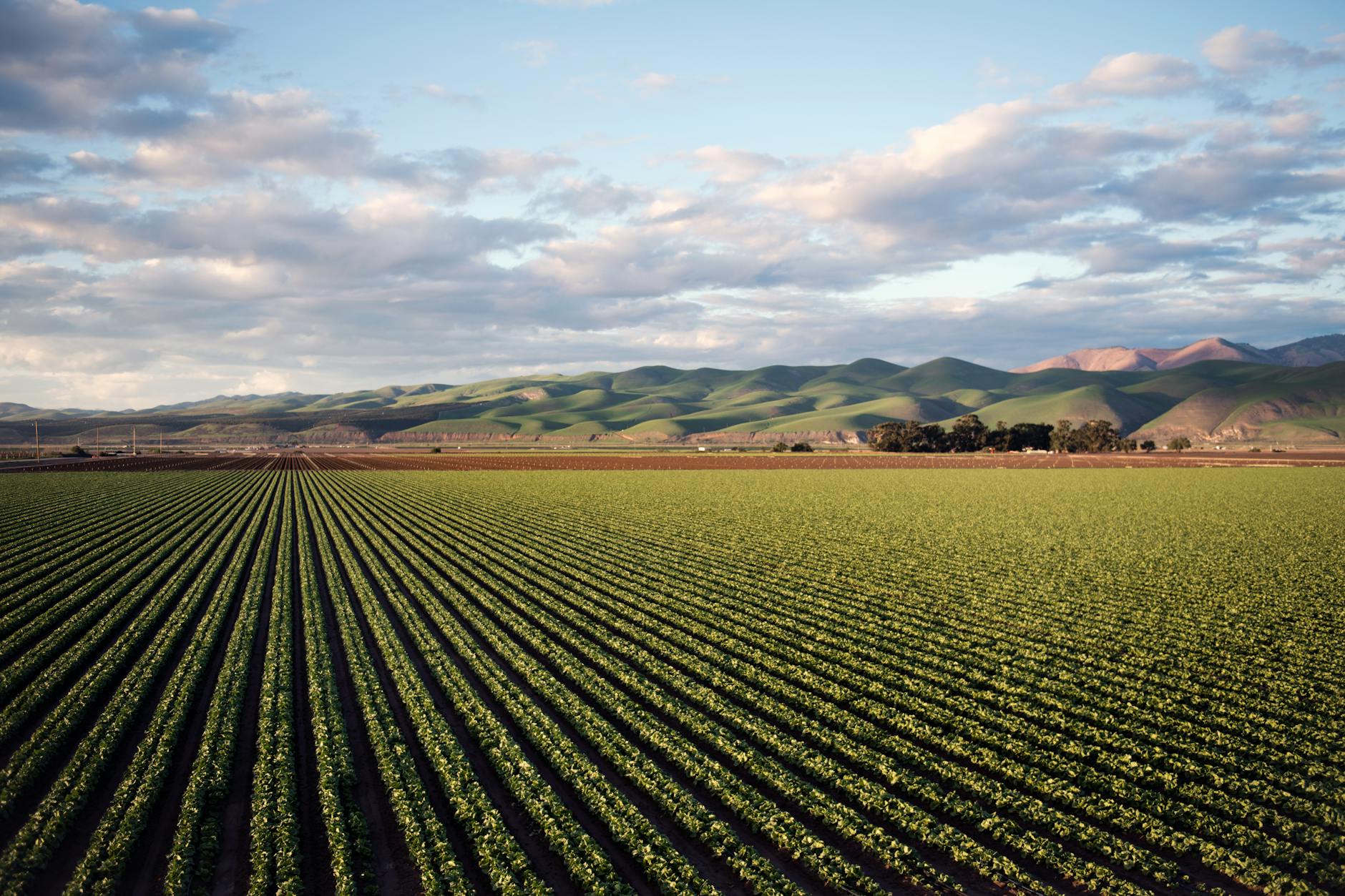
Conventional farming favors clear, open flat lands for row cropping. However, many regenerative farms found that by working closely with nature in unconvetional locations, they can find success with regenerative practices. Some farmers now can farm on sloped land, or on rolling hills and achieve great results by working with nature and it’s elements to produce great produce.
Using Animals to Regenerate Land
Animals and livestock play an important part in regenerative farming by grazing the land. They work with the land to eat grasses and work the soil. Their manure adds vital nutrients back into the soil. We’ll dive more into this topic in another post.
There are many other ways to incorporate regenerative farming practices into farming. These are just a few of many core principles.
Challenges and Limitations of Regenerative Agriculture
While regenerative agriculture offers so many promising benefits, it’s not without limitations. The transition from conventional agriculture methods and scale are two sizeable challenges to implementing regenerative agriculture.
Transitioning from conventional methods
Transitioning from conventional agriculture to regenerative practices presents a unique set of challenges. There are initial upfront costs and barriers, such as the need for new equipment, cover crops, and technical assistance. Regeneration also takes time and patience to make an impact.
Many generational farming practices are passed down from one generation to the next. Changing these methods of working, which were successful in previous seasons, is a considerable risk for many farmers. In order to make the switch, farmers must take a huge risk, against their crop productivity for the whole season, which can deter them from adopting new practices.
A farmer gets one season to make their income for the year, so choices about any changes are taken very seriously. Education and awareness about the benefits of regenerative farming are crucial to encourage widespread adoption.
Scaling regenerative practices
Scaling regenerative agriculture presents several challenges that need to be addressed to ensure widespread adoption and effectiveness. These challenges span economic, educational, infrastructural, and policy domains, each posing unique obstacles to the broad implementation of regenerative practices.
Economic Barriers
One of the primary challenges is the initial cost of transitioning from conventional to regenerative farming methods. Many farmers rely on established practices and equipment that are geared towards conventional agriculture. Switching to regenerative practices often requires new tools, technologies, and sometimes, a temporary decrease in productivity as the soil and ecosystem adjust. These upfront costs can be prohibitive, especially for small-scale farmers who operate with tight margins. Additionally, the financial benefits of regenerative farming, such as improved soil health and increased resilience, often take several years to materialize, which can deter farmers from making the transition.
Educational and Knowledge Gaps
Another significant challenge is the lack of knowledge and technical expertise regarding regenerative practices. Many farmers are unfamiliar with the principles and techniques of regenerative agriculture, which can vary significantly from conventional methods. There is a need for comprehensive education and training programs to equip farmers with the necessary skills and knowledge. Extension services, agricultural schools, and nonprofit organizations must work together to provide practical, hands-on training and ongoing support to ensure farmers can successfully implement and maintain regenerative practices.
Infrastructural and Market Support
The current agricultural infrastructure and market systems are largely built around conventional farming, which can make it difficult for regenerative farmers to find appropriate markets and supply chains. For example, many regenerative practices involve diverse cropping systems and mixed farming enterprises, which do not always fit neatly into existing farm or commodity structures.
Additionally, there is often a lack of processing facilities that can handle the varied outputs of regenerative farms. Building new infrastructure or adapting existing systems to support regenerative agriculture requires significant investment and coordination across multiple sectors.

Policy and Regulatory Challenges
Government policies and regulations can either support or hinder the scaling of regenerative agriculture. In many cases, existing agricultural policies and subsidies are geared towards conventional farming practices, providing little incentive for farmers to adopt regenerative methods. There is a need for policy reforms that promote regenerative practices through subsidies, tax incentives, and support programs. Moreover, developing certification programs for regenerative products can help create market demand and provide consumers with assurance about the sustainability of their purchases. Collaboration between policymakers, industry stakeholders, and farming communities is essential to create a regulatory environment that supports regenerative agriculture.
Social and Cultural Factors
Social and cultural factors also play a role in the adoption of regenerative practices. Conventional farming methods are often deeply ingrained in farming communities, and there may be resistance to change due to tradition or skepticism about new approaches. Building a community of practice among regenerative farmers, where they can share experiences and support each other, can help overcome these social barriers. Additionally, demonstrating successful case studies and the long-term benefits of regenerative farming can help shift attitudes and encourage more widespread adoption.
Addressing these challenges requires a multifaceted approach that includes financial support, education and training, infrastructure development, supportive policies, and community engagement. By tackling these obstacles, we can pave the way for the broader adoption of regenerative agriculture, ensuring a more sustainable and resilient food system for the future.
Consumer Awareness and Demand
Consumer awareness and demand for sustainable food systems are on the rise. Transparency and support for regenerative practices are essential for meeting this demand. Consumers are increasingly interested in the environmental impacts of their food choices and are willing to support practices that promote soil health and biodiversity.
Health and nutritional benefits
Regeneratively grown food offers health and nutritional benefits. These foods often contain higher levels of nutrients and are free from synthetic chemicals. Educating consumers about the benefits of regenerative agriculture empowers them to make informed choices and support practices that contribute to a healthier food system.
Future Outlook and Trends
Expansion of regenerative agriculture
The future of regenerative agriculture looks promising, with predictions for growth and increased adoption. Ongoing innovation and research will continue to enhance the effectiveness of regenerative practices, making them more accessible and scalasupporting companies look at souring ingredients that have been grown with regenerative pratcies, certifications like Regenerative Organic Certified will only continue to be more important.
Global impact and Scalability
rative agriculture has the potential to make a significant global impact, contributing to food security and sustainable development goals. By addressing the challenges of a growing world population and a changing climate, regenerative practices ensure the sustainability of our food system for future generations.
Scaling regenerative practices requires industry adoption and policy support. Governments and organizations could provide incentives and subsidies to encourage farmers to adopt regenerative practices. Additionally, addressing global food demand and ensuring food production remains sustainable is essential for the widespread success of regenerative agriculture.
The Future of Farming is Regenerative
Regenerative agriculture represents the future of farming, offering a holistic approach that enhances soil health, supports biodiversity, and mitigates climate change. We can create a more sustainable and resilient food system by adopting regenerative practices. It is crucial for all stakeholders, including farmers, consumers, policymakers, and organizations, to support and promote regenerative agriculture to benefit our planet and future generations.
Discover more from made to sustain
Subscribe to get the latest posts sent to your email.