I Tested Vitamix Food Cycler Electric Composter | Review

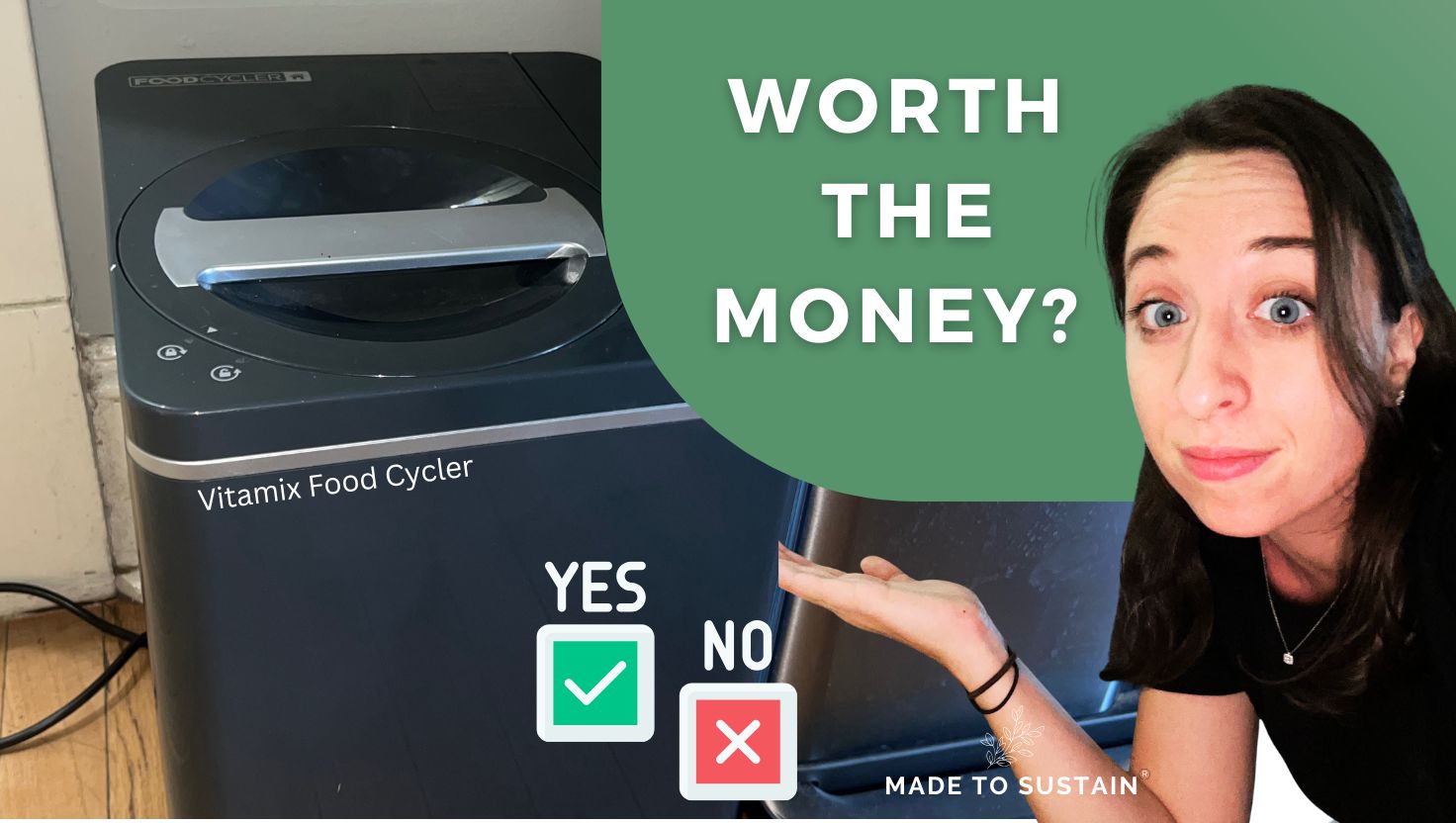
Home composting is one of the best ways to reduce food waste. If you’ve been considering purchasing an electric composter, you’re not alone. As more households across the United States look for sustainable kitchen solutions, electric composters and food recyclers are becoming increasingly popular. I’ve been using my Vitamix Food Cycler for nearly five years. In this post, I’ll share an honest breakdown of its pros and cons so you can decide if it’s the best option for your home. If this one isn’t it, check out my other ways to compost in small spaces here.
The Dirt on Composting
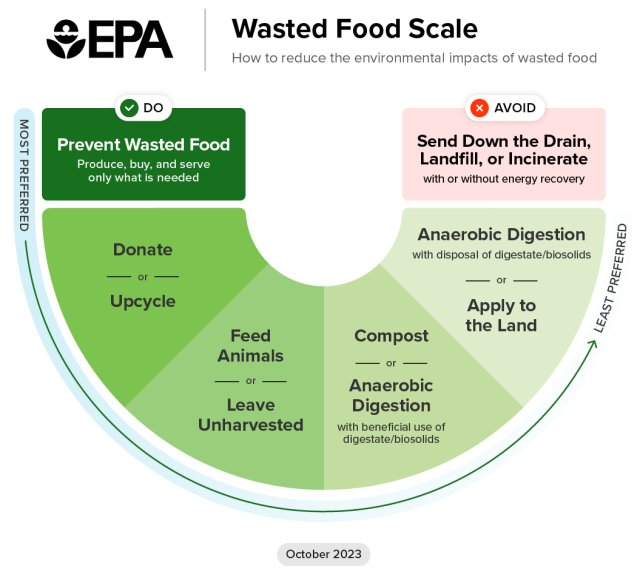
Composting is the natural decomposition process that turns organic materials into nutrient-rich compost. Most home composters use things like apple cores, banana peels, coffee grounds, vegetable scraps, egg shells, paper waste, and other kitchen scraps in the composting process. According to the EPA, composting is the third most effective food waste reduction method.
What is An Electric Composter?
While a traditional compost pile or worm bin can take weeks or months to produce proper compost, electric compost bins like the Vitamix Food Cycler utilize high temperatures, a motorized rotor, and a drying process to expedite the composting process. While home composting takes several months, kitchen composters deliver a finished product in just a few hours. The resulting material is a type of dehydrated food waste. This can be used as a compost starter or soil amendment for vegetable gardens and houseplants.
My Experience with the Vitamix Food Cycler
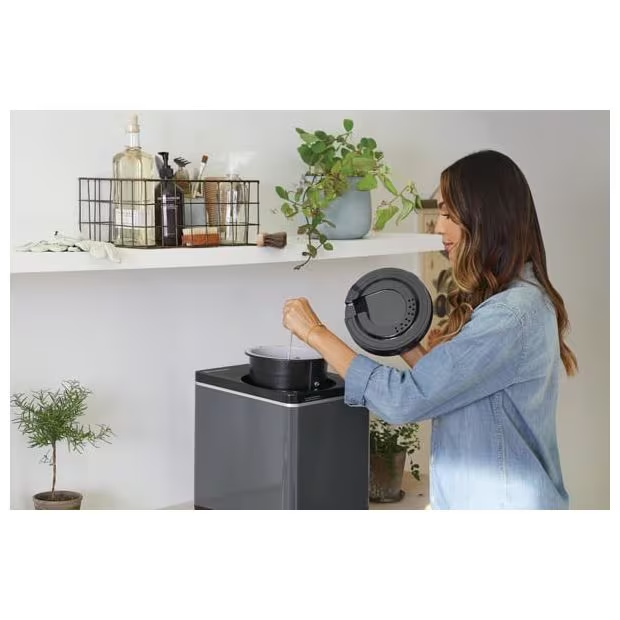
I purchased my Vitamix Food Cycler during the COVID pandemic. This electric composter has been a reliable kitchen appliance ever since—across moves, apartments, and even limited outdoor space.
The process is straightforward. Place kitchen waste in the removable bucket, set it on the control panel, and let the electric food recycler do its work overnight. In the morning, you’ll wake up to dehydrated food scraps. This electric composter enables a significant reduction in volume of food waste. For apartment dwellers or those without much space, it’s a better way to make good use of what your household produces.
The Pros of the Vitamix Food Cycler
- Ease of Use
With its simple control panel and compact size, it’s as easy as pressing a button. You can place it on the kitchen counter or tuck it in a corner. It’s especially practical for apartment dwellers who don’t have an outdoor compost pile. - Handles Diverse Waste
Unlike a traditional compost bin, this unit can process chicken bones, dairy products, smaller pieces of food scraps, and even apple cores. That’s a big difference from traditional composting, which struggles with these types of organic matter. - Beginner Friendly
No fruit flies, no foul odor, no ick factor—just good bacteria breaking things down in ideal conditions. For those new to sustainable living, this makes it a good option compared to managing a worm bin or outdoor compost pile.
The Cons of the Vitamix Food Cycler
- Filter Replacements
The activated carbon filter helps with noise level and strong odor control, but it requires regular replacement parts. Vitamix now offers refillable options, which is the best thing for reducing waste, but it’s still an important factor for frequent users. - Capacity Limitations
Perfect for a couple or small household, but less practical for a large family or homes that cook daily. A large capacity model or different models of food cyclers might be a better way to handle a bigger amount of food. - Size and Space
Despite being marketed as a compact size appliance, it’s closer to a bread machine in footprint. If you already have several kitchen appliances—like food processors—on your counter, you might prefer to keep it on the floor or in a pantry corner. - Compost Readiness
While the end product looks like real compost, it’s actually dehydrated food waste that benefits from a second trial in soil for the best results. Experts like Ron Alexander recommend waiting up to 10 days or mixing it with proper compost before planting. That makes sense, since organic waste needs time for the good bacteria to finish the end of the process under ideal conditions.
Final Thoughts on Electric Composters
Overall, the Vitamix Food Cycler is a good description of the material shift happening in indoor composters and electric compost bins—a significant reduction in trash cans filled with food waste and methane emissions from landfills. It’s not real compost in the strictest sense, but it’s a good option for reducing your carbon footprint and practicing sustainable living.
Although the upfront cost is high, prices have dropped, making it more accessible in the United States and even in places like Puerto Rico where outdoor space may be limited. If you want a better way to handle kitchen waste without the challenges of a traditional compost bin, the Vitamix is the best option among today’s electric food recycler products.
If you’d like to see real product reviews in action, check out my YouTube video where I test the Food Cycler and show the end product in my own vegetable gardens.
Together, we can make a big difference—choosing the best way to reduce organic waste and contribute to a healthier planet.
Discover more from made to sustain
Subscribe to get the latest posts sent to your email.