Sustainable Protein Sources: Eat Better For You & The Planet

In recent years, consumer trends in the food industry have shifted towards more sustainable and environmentally friendly options. There’s a growing interest in alternative, superior proteins. But concerns about climate change, food security, and environmental impact are also mounting. The demand for alternative and plant-based protein sources is reshaping the way we think about nutrition and food production. But there are more sustainable protein sources than just plants. Let’s get into it.
The Importance of Sustainable Protein Sources
Proteins are fundamental building blocks in the human body. They play an essential role in muscle tissue repair and growth, among other critical functions. Different sources of protein, such as plant-based proteins and animal-derived proteins, offer varying amounts of protein and essential amino acids. While traditional animal-based foods like red meat have long been the standard for high-quality protein, they bring with them a significant environmental impact. Especially in terms of greenhouse gas emissions (GHG emissions) and land use.
Sustainable Protein Sources
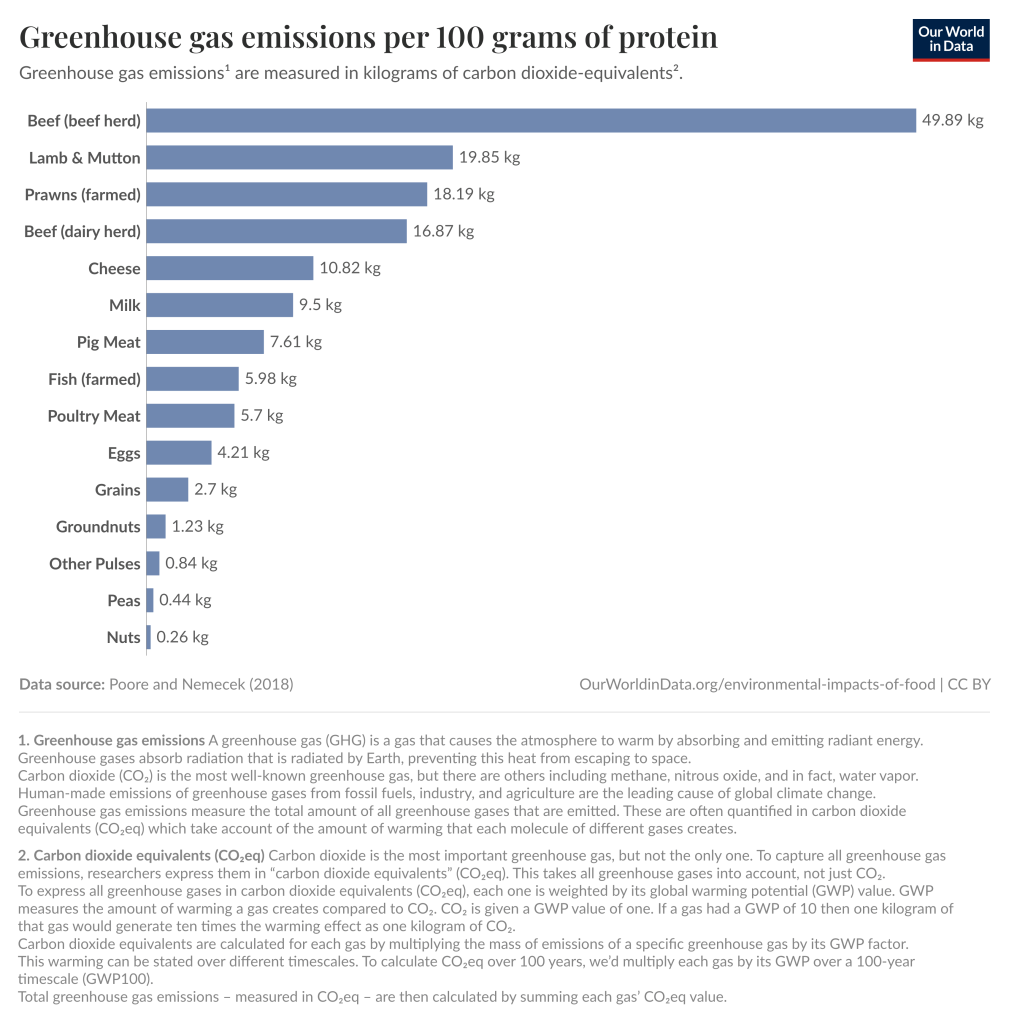
There is currently a push towards reducing the consumption of conventional meat and embracing more sustainable alternatives. Sustainable proteins present numerous benefits, including reduced carbon footprints and lower GHG emissions. Plant-based protein sources like beans, legumes, and whole grains, along with novel foods like insect protein, are making waves in the food industry. These alternative protein sources not only support human nutrition but also contribute to sustainable development by using less land and producing fewer emissions compared to traditional meat production.
1. Beans and Legumes
Beans are actually really great because they don’t have a very high carbon footprint, and they also grow underground and help support the nitrogen cycle of restoring and regenerating soil and soil nutrients
2. Peanuts
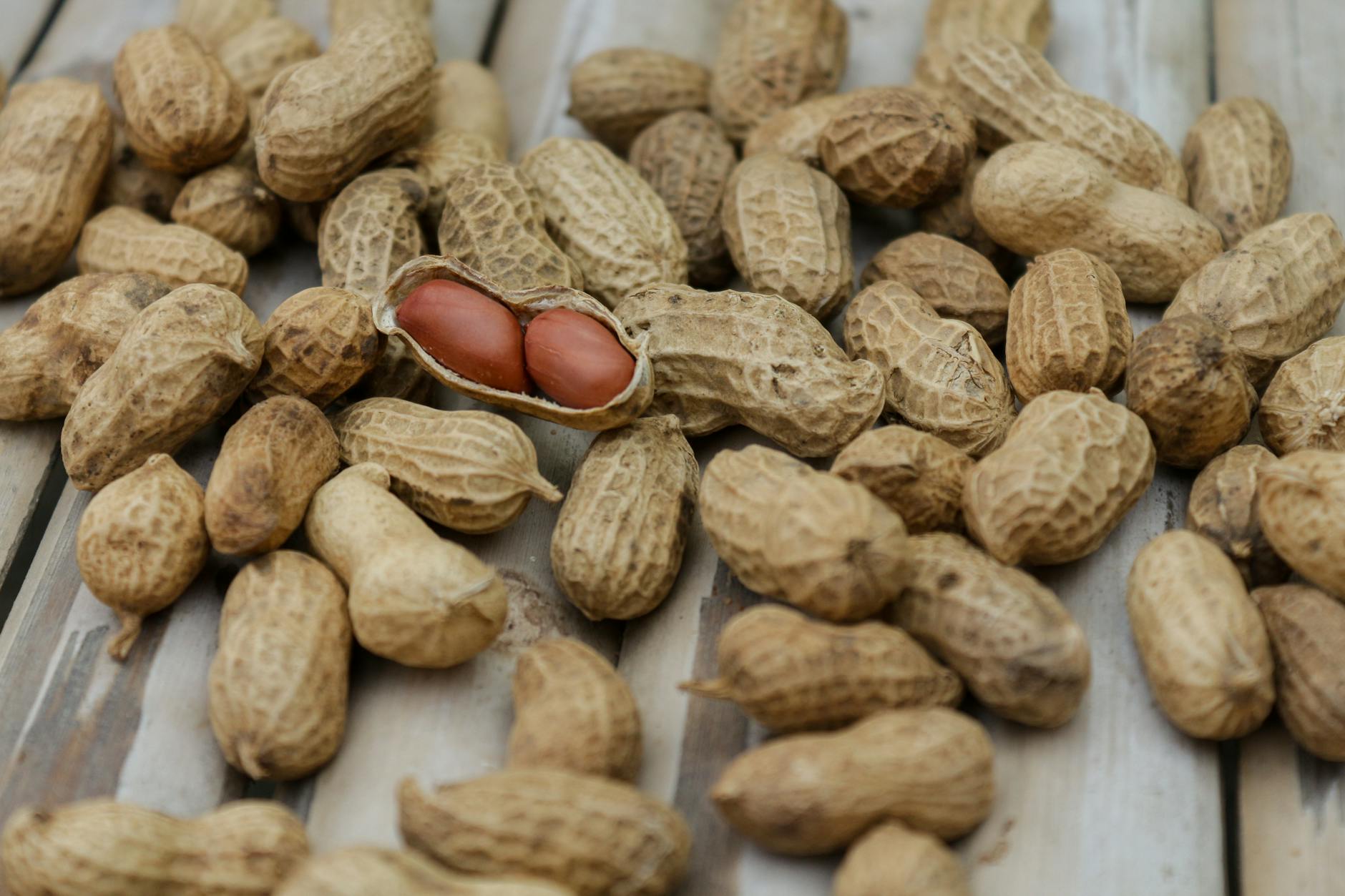
Peanuts are also really great in balancing your health. They are high in protein, they’re high in fiber, and they have a very low carbon footprint. Peanut oil is actually very healthy for you as well. It’s full of polyunsaturated fatty acids, which are great for brain health.
3. Tree Nuts
Next up on our list of sustainable protein sources are nuts. Now I wanna preface this by saying nuts get a really bad reputation, and rightfully so, because some like almonds tend to use a lot of water when it comes to modern industrial almond farming.
But many are working on that, on figuring out how to they reduce the amount of water that they use. But today, again, we’re just talking about the carbon footprint of the. And nuts are a great option because nuts grow on trees and the trees actually sequester the carbon. So when we’re talking about low carbon foods, nuts can actually be a carbon negative way to get a great amount of protein.
4. Soy
Soy has an extremely low carbon footprint. Only about four kilograms of carbon dioxide per pound of soy product made. So things like soy milk, tofu, or just even edamame are great ways that you can eat soy and get fantastic amounts of protein.

5. Bottom of the Food Chain Fish (like mackerel, anchovies, and sardines)
We always hear things like, you should eat salmon and tuna because of their excellent sources of omega-3s. But salmon and tuna are actually carnivorous fish. They eat up all these little guys at the bottom of the ocean. If you cut out that middle piece and just eat at the bottom of the ocean food chain, like these really tiny fish, it’s a great way to get a great source of omega threes. They’re high in protein and they’re just a fantastic source of nutrition.
6. Eggs
Eggs have a really low carbon footprint because the source that they come from, chickens are able to make multiple of them eggs have a lower carbon footprint than chickens and eating chickens alone, and they are a great source of nutrients and protein.
Exploring Plant-Based Proteins
Plant-based foods such as legumes, hemp seeds, and chia seeds have an important role in sustainable diets. These plant sources of protein are rich in bioactive peptides and provide a substantial amount of protein along with essential nutrients. Unlike heavy reliance on animal products, plant proteins offer a diverse range of options that are both nutritious and environmentally friendly.
Addressing Consumer Acceptability
One of the key challenges facing alternative protein consumption is consumer acceptability. While some people may question the taste of products like plant-based meat alternatives or edible insects, new technologies are continuously improving the quality and appeal of these options. As awareness of the negative effects of meat production on the environment grows, more consumers are willing to explore dietary changes to incorporate less meat and more plant-based protein sources.
Reducing Environmental Impact
Adopting plant-based diets not only benefits individual human health but also positively influences global food security and reduces food waste. By choosing alternative sources of protein with a lower environmental impact, such as sustainable fish like mackerel and anchovies, we can promote both animal welfare and the health of our planet.
Looking Towards the Future
With the world population steadily increasing, embracing alternative proteins and plant-based diets is more critical than ever. These dietary shifts can alleviate the strain on agriculture and food production systems, leading to more sustainable consumer choices and minimizing the negative impact on our environment.In conclusion, sustainable protein sources present an effective solution to many challenges facing today’s food system. By prioritizing plant-based protein sources and alternative proteins, we can address food security, reduce our ecological footprint, and support healthier, more sustainable diets. As we move forward, let’s make informed food choices that align with our values and fostering a prosperous future for us all.
Discover more from made to sustain
Subscribe to get the latest posts sent to your email.