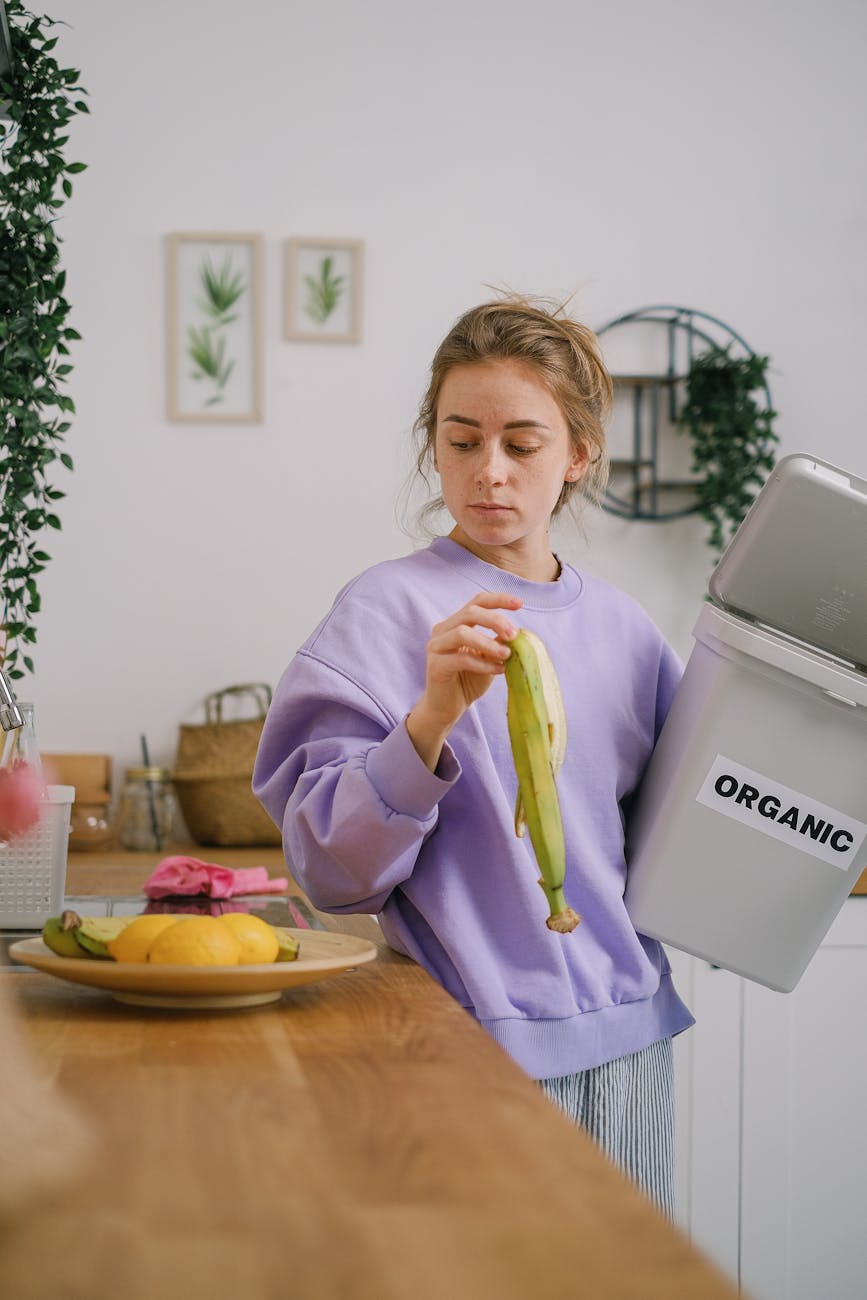
Four Ways to Start Composting in Small Spaces (Indoor)

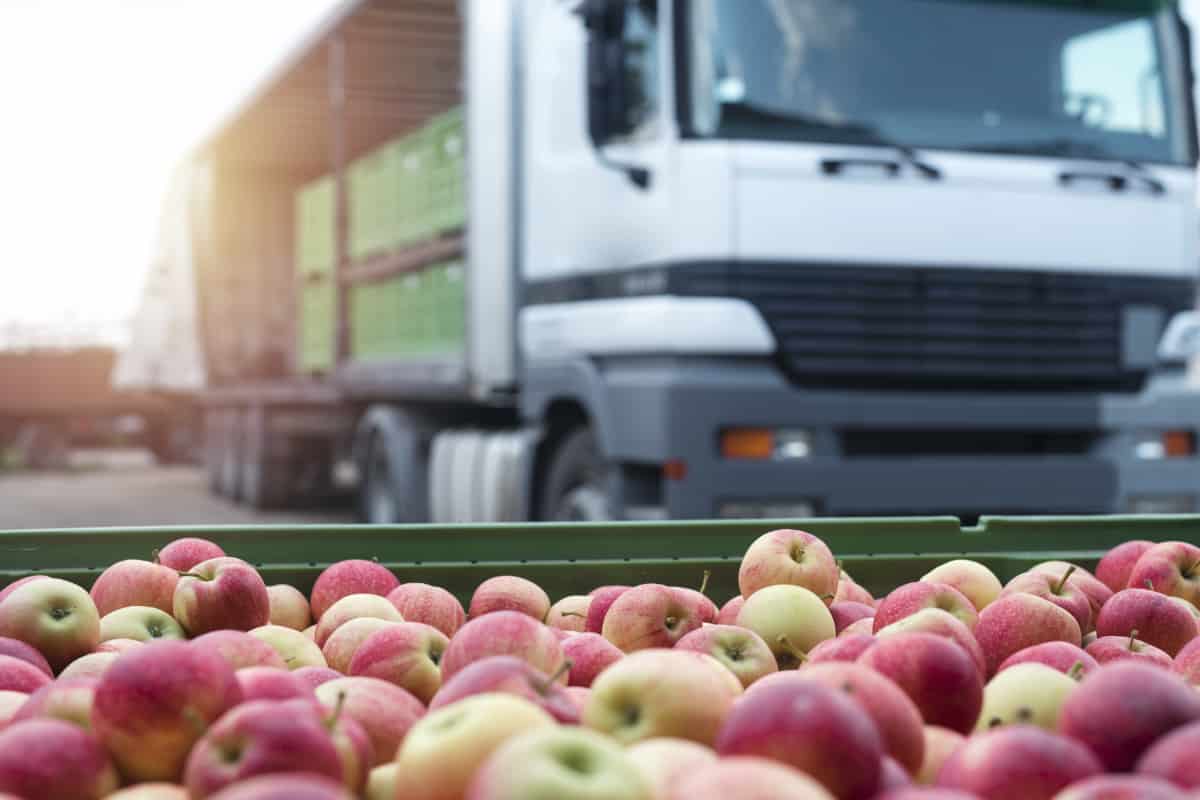
The world has a food waste problem. Not only is food waste inedible, but it causes greenhouse gas emissions that contribute to climate change. One way to combat methane emissions from food waste is through composting. In fact, composting could reduce the amount of trash sent to landfills and incinerators in the US by 30%, according to the USPIRG. Many homeowners have the luxury of creating a compost pile in their backyard, but for those of us who rent or live in smaller spaces, our options to use our food scraps are more limited. If you want to reduce the impact of your carbon footprint from food waste, I’ll share with you four long-term sustainable ways to start composting in small spaces.
Food waste contributes to about 18% of the overall carbon emissions. While we can do our best to meal prep, plan, and freeze food, the fact is that we will end up discarding some food. I am guilty of it too! But you can put those scraps to good use and you don't need a lof of space to do it! That’s why we’ve included the basics of different methods to composting in small spaces and some resources to get you started. Whether you have a balcony, a patio, or you’re restricted to indoor methods, you’ll be sure to find something to kick-start your composting goals.
Quick Notes on Composting:
- Composting is a natural process that turns organic waste into “black gold” nutrient-rich soil
- Apartment Composting reduces your carbon footprint from food waste and environmental impact, even if you don't generate a lot of compost
- Traditional Composting is typically done outdoors with compost piles
- Compost needs a good mix of carbon and nitrogen
- Outdoors, composting can take a few months, but indoors, the process is much quicker
- Compost is versatile: in small gardens, small yards, or large local gardens, compost is a great addition to make healthy soils
Great Food Scraps to Add to your Compost:
- Egg shells
- Coffee Grounds
- Tea Bags (if compostable)
- Vegetable Scraps like carrot peels and potato peels
- Fruit Scraps like Banana Peels and apple cores
Food Scraps to Avoid Putting in Your Compost
- Oily Foods
- Meat and Dairy Products
- Any kind of Toxic Waste
1. Vermiculture – Worm Composting

Vermiculture is another name for worm composting. This composting method is excellent for school projects with kids and can be a rewarding way to compost. Worm composting can range from very inexpensive to a few hundred dollars, depending on the type of equipment used, making them a great way to integrate it into apartment composting. These red worms eat their way through organic matter and create nutrient-rich compost. A worm composter bin is a great option that requires little space and is easy to set up.
Pros of Worm Composting
- Easy to set up
- It typically does not smell if the waste is balanced
- Indoor and Outdoor options
- Worm castings are a great nutrients for plants
- Congratulations! You now have pet worms.
Cons of Worm Composting
- Worms can only eat so fast – if you’re generating a lot of food waste, this may not be the best option for you
- Worms are sensitive to temperature, so you may need to relocate them inside during more extreme temperatures
- If your compost is not balanced correctly, you may begin to notice unpleasant odors
How to Start Worm Composting
One of the best places to buy equipment and learn is through Uncle Jim’s Worm Farm. You can buy a worm starter kit for about $100 or DIY your own worm bin with guidance from various sources like the University of Maine. You can start your worm factory when buy your red wigglers online through Uncle Jim’s Worm Farm. For a complete worm starter kit, you can check out these from Amazon below.
Worm Composting Equipment Options
2. Bokashi composting
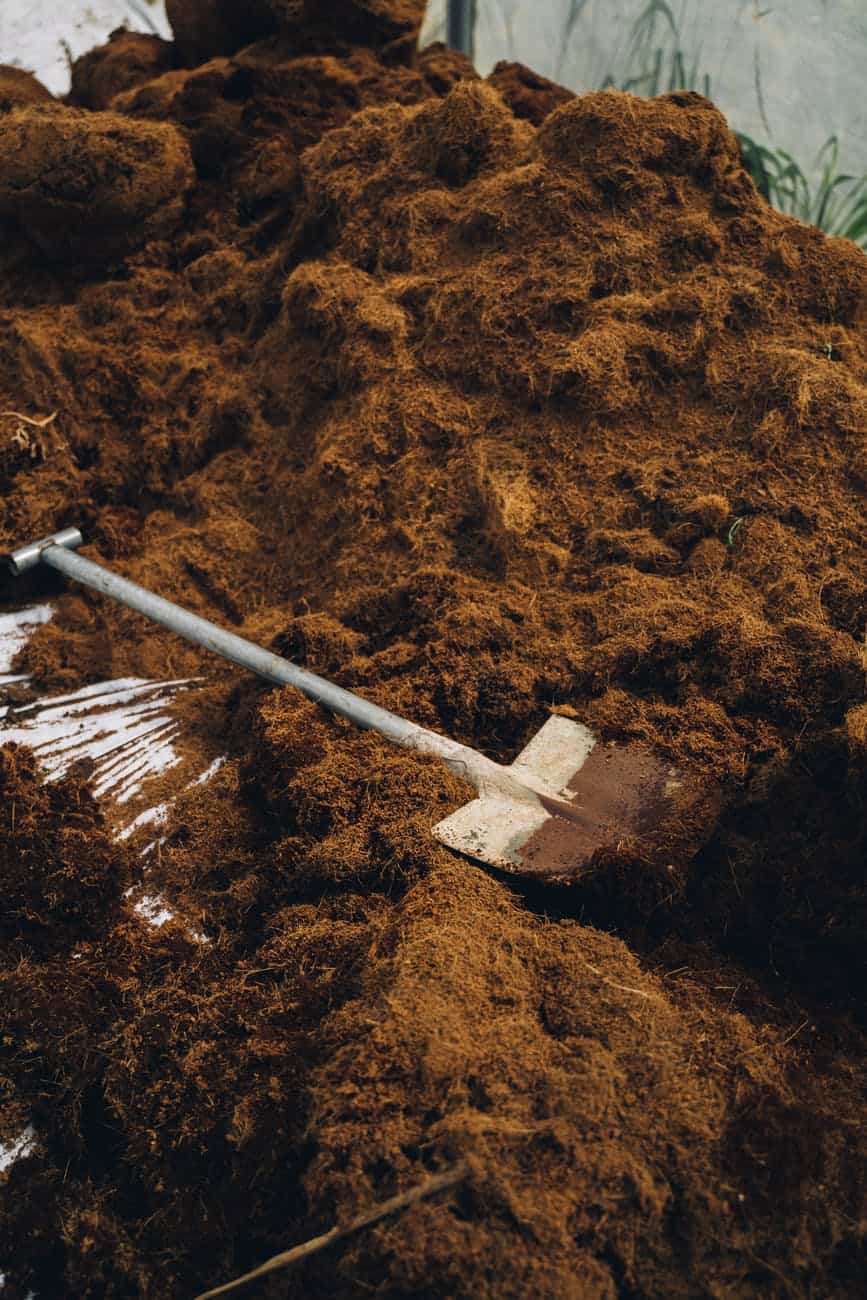
Another great composting process for small spaces is the Bokashi method. Bokashi composting is an anaerobic composting method that ferments the organic materials using anaerobic bacteria. The concept has East Asian origins, but Dr. Teruo Hiya modernized the practice in Japan through the study of Effective Microorganisms. According to the University of Vermont, Effective Microorganisms address an array of environmental concerns such as water quality, remediation of heavy metals from the soil, and the malodor typically associated with composting. Because the compost containers are enclosed, they usually don’t emit odors, which is excellent news for your neighbors and your apartment.
Pro’s of Bokashi Fermentation
- Bokashi composting is a contained mixture with a small footprint
- Supplies are relatively inexpensive
- The method is much faster than traditional composting. The complete process only takes about ten days to convert organic material into usable material compared with conventional methods, which can take months
- Nutrient value is very high for the plants, including house plants
- Use the compost tea to nourish both indoor and outdoor plants
Con’s to Bokashi Composting
- Potential to spill liquid mixture, which could be very messy
- Special equipment required – airtight containers, bacteria starter mix
- Ideally, you’d want a temperature-controlled space to store your mix for the bacteria to work
- You need to bury the waste to dispose of it, and then cover it with topsoil.
How to Start Bokashi Composting
To start with Bokashi Composting, you can check out this video link from Epic Gardening. You will also need to buy the material, such as bokashi bins, the bacteria or activator mix, and the bran, before you can get started. Bokashi is not as common of a composting method, but many benefits are associated with the technique. Most importantly, it is a great way to begin composting in a small space. Make sure you have a container with a tight-fitting lid to keep the compost secure!
Bokashi Composting Equipment Options
3. Electric Food Waste Composting Machine

My personal choice for indoor composting in an apartment is my Electric Food Waste Composting Machine. I’ve used my Vitamix Food Cycler for a few years, but many new electric composters are entering this space. The kitchen waste composting machine expedites and accelerates composting using mechanical force rather than natural force. While I love this composting method, you should note that the equipment can be a bit of an investment.
Pro’s of Electric Machine Composting
- A quick and efficient way to compost.
- Composts in less than 8 hours, which would generally take 6-8 months
- Ready to use compost
- Instant gratification to use your compost right away!
Con’s of Electric Machine Composting
- The machine is expensive
- The composting vessels have a small capacity, not suitable for large loads
- The filters need to be changed pretty often depending on the frequency of use. Ours is used daily, and filters typically last 3-4 months. It will run without filters, but it does get smelly.
How to Start with Electric Kitchen Composting
To start, you’ll need to buy the equipment first. Again, I highly recommend my Vitamix Food Cycler. We have been using it almost daily for about a few years now, and it’s still holding up. My friend Emma, @thesimpleenvironmentalist swears by her Lomi. Whichever option you choose, I also recommend setting aside a container or indoor compost bin to collect kitchen scraps while you cook.
If you don’t fill the container up all the way, I would highly advise refrigerating it to avoid fruit flies. Lastly, I would recommend a place to collect compost once you’ve finished the run. We use an old cat litter pail to collect and store all the compost, and it works great.
Electric Composter Machine Options
- Vitamix Food Cycler – My favorite one!
- Lomi Composter
- Indoor Compost Bin
4. Curbside compost pick up

f none of the above-listed options sound feasible to you, or if you would want to commit to the process, it may be worthwhile for you to look into a city program like curbside compost pickup. This option is often neglected, but it can be great for small apartment dwellers in more urban areas. You can check with your apartment complex or local municipality to see if there is a service near you to collect your compost. This will typically be in the form of a brown bin.
Pros of Curbside Compost Pick Up
- If it’s part of your municipality, the service may be a residential perk
- Less room is needed to compost if you’re tight on space
- No upfront investments
- Minimal work from your end
- Great if you have a large amount of waste
Cons of Curbside Compost Pick Up
- Limited Presence, Not every town has this set up
- You may not get to reap the rewards of the compost
How to Start with Curbside Compost Pick Up
To get started with curbside compost pick-up, you need to do a bit of research to see what services are available in your area. You can check out https://compostnow.org/compost-services/ to see if your neighborhood has a service locally. If you find one in your area, the service will tell you how to start or sign up.
What do to with your finished compost
Once you get started with apartment composting, you'll quickly realize how much food was destined for the trash. You may notice an accumulation of compost once you select the method that’s right for you. If you’re wondering what to do with your compost, here are a few ideas.
- Befriend a local farmer at your farmers market and offer him your compost if you have accumulated too much
- Share it with friends and family who like to garden or your local community garden
- The easiest way to use your compost is to add it direclty into your garden soil
- Sprinkle it over your garden beds or indoor plants

Now that you know all the methods for apartment and small space composting, which method is right for you? Let us know in the comments below!
Thanks for stopping by to read our post!
Hope you enjoyed the post! Check out more on our homepage, and feel free to send to a friend. Let me know in the comment section if you test it out yourself!
Let us know if you like this article by leaving a comment below or tagging us on Instagram, Facebook, and Pinterest using @madetosustain! Please sign up for our mailing list for more content related to this and come back for more recipes and ideas for a more sustainable lifestyle.
This post contains affiliate links, in which through your purchase, I may earn a small commission. This helps fund the site and ensure we can keep providing you great recipes and sustainability information. I have tested every product, so I stand behind these choices.
Discover more from made to sustain
Subscribe to get the latest posts sent to your email.