8 Benefits of Organic Matter in Soil: Why is it Important?

Healthy soil is the foundation of a thriving ecosystem and productive agriculture. And when we have healthy soil, we have healthy food. It's a cornerstone of sustainable food and regenerative agriculture. But what makes soil truly healthy? One of the most critical components is organic matter. This natural material plays a significant role in improving soil structure, enhancing nutrient availability, and supporting soil organisms. Without it, the soil becomes compacted, less fertile, and more prone to erosion. The benefits of organic matter in soil can help farmers, gardeners, and environmentalists produce better quality food and improve soil health.
What is Organic Matter?
Soil encompasses a diverse range of materials. Organic matter consists of decomposed plant and animal materials that enrich the soil. This includes plant residues, animal manures, and organic wastes such as food scraps, grass clippings, and wood chips. As these materials break down through various stages of decomposition, they contribute to the formation of stable organic matter, which enhances the soil’s long-term fertility and structure. This is why adding compost to soil is so beneficial.
The Benefits of Organic Matter in Soil
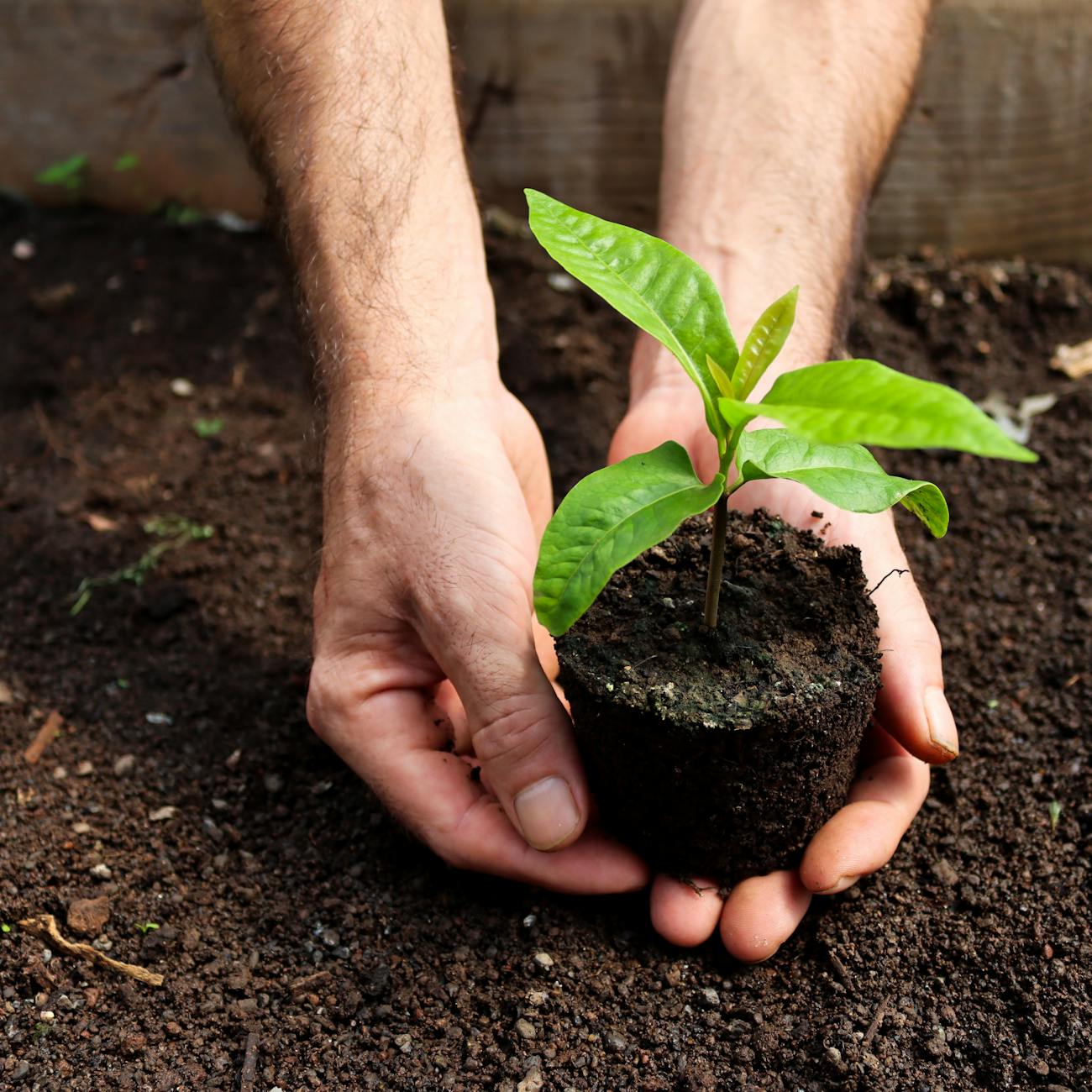
There are so many benefits for organic matter in soil. Reputable institutions like the European Commission and the USDA's Natural Resources Conservation Service declare that organic matter in soil significantly influences soil's physical, chemical, and biological properties.
Physically, organic matter enhances soil structure, which improves water infiltration and retention, and reducing erosion. Chemically, it acts as a nutrient source that releases essential elements for plant growth and buffering soil pH. Biologically, it fuels soil organisms, fostering a thriving ecosystem that supports nutrient cycling and disease suppression. Essentially, organic matter contributes to soil fertility, resilience, and overall productivity, making it a cornerstone of sustainable agriculture and environmental health.
“Essentially, organic matter contributes to soil fertility, resilience, and overall productivity, making it a cornerstone of sustainable agriculture and environmental health.”
Organic Matter and Soil Health
Soil health is directly influenced by the amount of organic matter present. Organic matter supports biological activity by providing a food source for soil organisms such as bacteria, fungi, and earthworms. These microorganisms drive essential biological processes that improve soil structure and nutrient cycling. The more nutrients in the soil, the more nutrient-dense the food is.
Organic Matter Enhances Soil Structure
A well-structured soil allows for better root growth and water access for the plants. Organic matter helps create soil aggregates—clusters of soil particles that improve soil texture. These aggregates increase soil porosity, allowing air and water to move through the soil efficiently. This is particularly beneficial for sandy soils, which tend to drain too quickly, and clay soils, which often retain excess moisture. Learn more about the best types of soil for agriculture here.
Water Retention and Soil Moisture
Organic matter improves soil’s ability to store water by enhancing its water-holding capacity. This is crucial for crop production, as it ensures that plant roots have access to sufficient moisture throughout the growing season. When heat waves come, the increased water retention also helps protect soil from rapid changes. Organic matter in soils helps create crop resiliency from high temperatures and drought conditions.
Nutrient Cycling and Nutrient Availability
One of the most valuable functions of organic matter is its role as a reservoir of nutrients. As organic materials decompose, they release essential nutrients such as nitrogen, phosphorus, and potassium, which plants absorb for growth.
This process, known as nutrient cycling, ensures a steady supply of nutrients without the need for synthetic fertilizers. This saves you money from having to purchase additional fertilizers, while making your food more nutrient dense!
Impact on Soil Fertility
Fertile soil contains high levels of organic matter, which enhances its nutrient availability. Organic matter improves soil pH balance, making nutrients more accessible to plants. It also contributes to cation exchange capacity (CEC), which determines how well soil retains and supplies nutrients to crops. Without getting too scientific, this exchange is critical for plant growth!

Organic Matter and Soil Microbial Activity
Microbial activity is a key indicator of a healthy soil ecosystem. Soil bacteria and fungi thrive in organic-rich environments. This is because they break down plant residues and animal residues to release nutrients into the soil. These microorganisms also contribute to the formation of humus, a stable organic material that further improves soil quality.
Environmental benefits of organic matter in soil
We’ve established that crops benefit from organic matter in the soil. But what about environmental benefits? Organic matter in soil also benefits your sustainability impact.
Carbon Sequestration and Climate Benefits
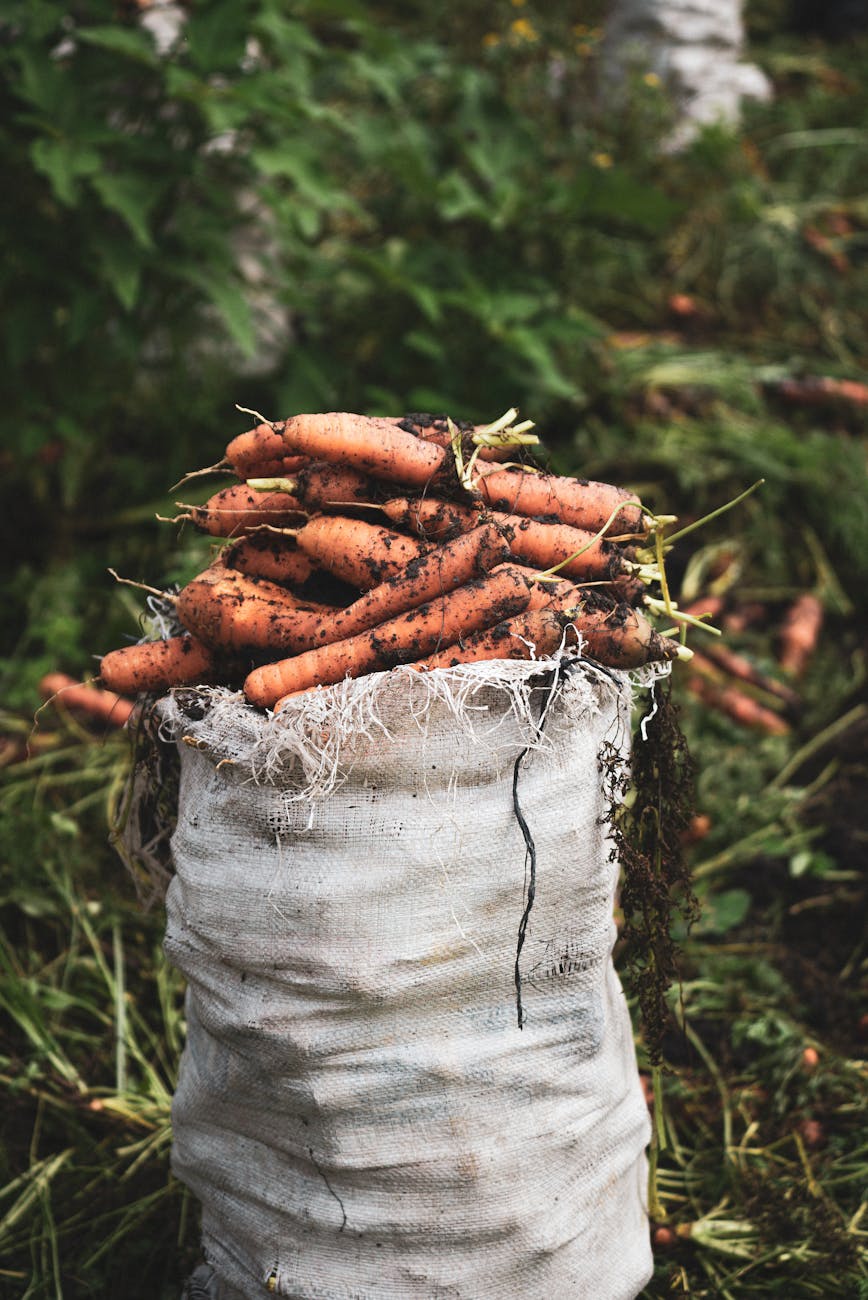
Organic matter actually stores carbon dioxide! This process, also known as sequestration, helps mitigate climate change by storing carbon dioxide rather than releasing it into the atmosphere. Soils with higher organic matter levels act as carbon sinks, reducing atmospheric carbon and promoting long-term soil sustainability.
Soil Erosion Control and Water Quality
Soil erosion is a major problem that reduces agricultural productivity and depletes natural resources. Organic matter helps bind soil particles together, reducing water erosion and wind erosion. It also plays an important role in improving water quality by preventing the leaching of harmful chemicals into groundwater.
Crop Production and Soil Organic Matter
A soil rich in organic matter supports healthy plant roots, leading to increased crop yields. Both summer crops and winter crops benefit from organic matter’s ability to store water and supply nutrients throughout the growing season. This contributes to more nutrient dense crops.
Soil Organic Matter and Cover Crops
Cover crops such as legumes and grasses are an excellent way to increase soil organic matter content. This is because they release different nutrients into the soil. These plants prevent soil erosion, improve soil aggregation, and enhance microbial activity. Crop rotations that include cover crops contribute to long-term soil health.
Animal Manures, Food Scraps, and Other Soil Amendments
Animal manures and food scraps such are valuable sources of organic matter. These are a core principle of regenerative agriculture. Applying these materials to soil increases microbial activity, enhances nutrient supply, and promotes further decomposition. Woody materials, though slower to break down, add long-term stability to organic soil. However, a balance of these materials contributes long term to soil health.
Things to Keep in Mind for Keeping Soil Healthy
Like anything in nature, there's going to be variation. Depending on the type of soil you have, the benefits from added organic material may differ.
Benefits of Organic Matter in Different Soil Types
The effect of organic matter varies depending on soil type. In mineral soils, organic matter enhances nutrient retention. While in sandy soils, it improves water infiltration. Loamy soils, which are considered ideal for agriculture, benefit from organic matter's ability to maintain good soil structure and fertility. Learn more about the best types of soil for agriculture here.
Practical Ways to Increase Organic Matter in Soil
Adding organic wastes such as grass clippings, compost, and wood chips is an effective way to boost soil organic matter. Soil amendments like biochar (ash) and mulch further enhance nutrient availability and soil structure.

Organic Matter and the Growing Season
Soil organic matter supports plant growth across different seasons. It protects soil from extreme weather conditions, maintaining a stable environment for roots even during high-temperature periods.
Soil Testing and Measuring Organic Matter Content
A soil test provides valuable information about organic matter content, nutrient availability, and soil pH. Regular testing helps farmers and gardeners adjust soil management practices to maintain healthy soil.
Long-Term Benefits of High Organic Matter Levels
Over time, high organic matter levels lead to greater soil aggregation, improved nutrient supply, and enhanced erosion control. These benefits make soil more resilient and sustainable for future crop production.
These are some of the core principles of a more sustainable food system.
There Are So Many Benefits to Organic Matter in Soil!
Organic matter plays a significant role in soil health, influencing everything from nutrient cycling to water retention and erosion control. By incorporating organic materials into soil, we can promote sustainable agriculture, enhance soil quality, and protect natural resources. Prioritizing organic matter management is essential for a sustainable food system, long-term soil productivity, and environmental benefits.
Discover more from made to sustain
Subscribe to get the latest posts sent to your email.