10 of the Best Foods for the Environment | Sustainable & Healthy

Emissions from food and agriculture make up about 22% of all global greenhouse gas emissions. Some foods, like animal proteins and dairy products, are worse contributors than others. But just as some foods have a significant environmental impact, others can actually contribute to a more sustainable food system. These better choices support ecosystems, use fewer resources, and emit fewer GHG emissions during the production process. In Fact, some of the best foods for the environment not only benefit the climate, but often bring health benefits as well.
Let’s take a look at the healthy foods that make the green list—those that align with both dietary guidelines and a sustainable diet.
The Best Foods for the Environment
It's important to note that you don't need to eat a 100% vegan or vegetarian diet to make an impact. Choosing foods produced sustainably with low environmental impact is the most important thing. One of my favorite studies showcases the carbon emissions per kg to help you make more sustainable food choices. We talk about it in our post about the most sustainable proteins.
1. Legumes: The Unsung Heroes of Sustainable Eating

Lentils, chickpeas, black beans, and other legumes are powerhouses. These plant proteins offer a better choice for both people and the planet. They require relatively little land or water to grow and actually improve soil fertility by fixing nitrogen. This reduces the need for synthetic fertilizers that contribute to nitrous oxide emissions and poor water quality. Legumes are an excellent source of plant-based proteins that offer protein, fiber, and micronutrients essential for human health.
A recent study found that replacing just half of the animal products in one’s diet with legumes could reduce greenhouse gas emissions by nearly one-third [Springmann et al., 2018].
2. Whole Grains with a Low FootprinT
Whole grains like oats, barley, farro, quinoa, and brown rice have low carbon emissions per calorie. They are much more resource-efficient than animal feed crops. They also store well, reducing food waste over time.
When grown using regenerative or organic methods, grains can even help sequester carbon in the soil—turning farmland into carbon sinks rather than carbon sources.
3. Seasonal Foods and Leafy Greens
Seasonal food doesn't always mean the most sustainable food production. But it does mean local food. This means there are fewer greenhouse gases emitted from transportation. This also supports local economies and supports land stewards who cultivate the land for future generations.
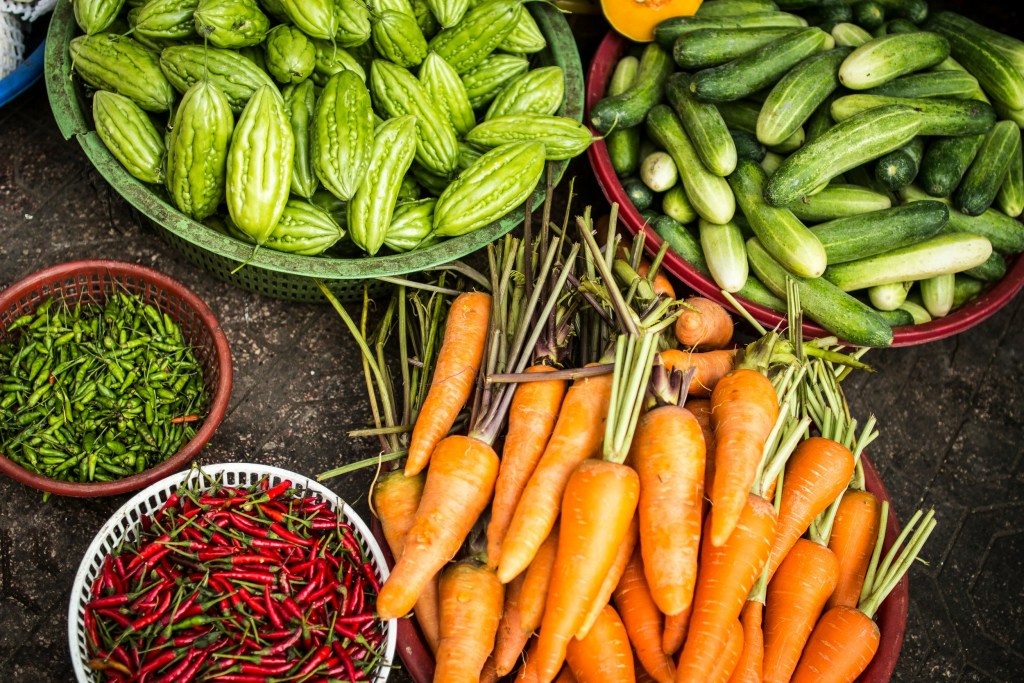
Fresh fruits and leafy greens that are in season and locally grown often have minimal climate impact. Think spinach, kale, berries, and citrus fruits. These plant-based foods require relatively less land and water than large animals. They support a healthy diet with antioxidant-rich nutrients.
Better yet, choose organic or no-spray options. This avoids the use of synthetic fertilizers and pesticides, which are major contributors to soil erosion and water pollution.
4. Nuts and Seeds (In Moderation)
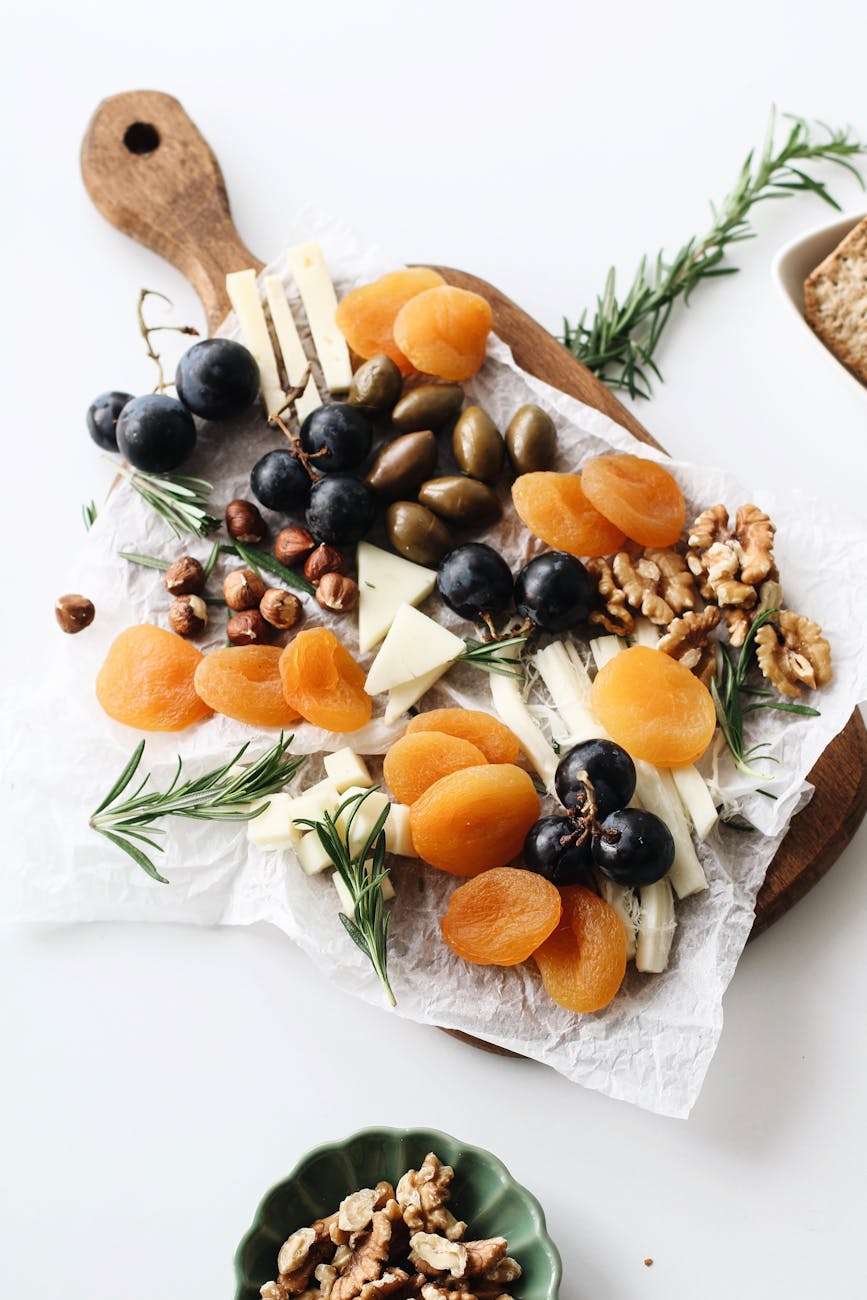
While nuts like almonds can be water-intensive, others such as peanuts, sunflower seeds, and hazelnuts offer a better option. These require less irrigation and deliver a high yield of grams of protein per hectare. When grown sustainably, they can enrich the soil and provide habitat for pollinators.
Sunflower seeds, flaxseeds, and chia seeds are also nutrient-dense and have a lower climate impact than animal-based fats or protein sources.
5. Root Vegetables and Hardy Crops
Carrots, beets, potatoes, parsnips, winter squash, and sweet potatoes are not only affordable but have some of the lowest carbon dioxide emissions per kilogram of food. These crops store well, resist pests naturally, and thrive in a variety of climates. It makes them ideal for feeding the global population.
6. Seaweed and Algae: Future Foods with Present Potential

Seaweed farming requires no fertilizers, freshwater, or agricultural land. With no carbon emissions, this makes it one of the most sustainable food sources on the planet. It can even absorb carbon dioxide and nitrous oxide from surrounding waters, helping to mitigate water pollution.
Used in soups, snacks, and as a plant-based food additive, seaweed supports a plant-rich diet while restoring ocean ecosystems. It may be one of the best ways to meet future protein demands with minimal environmental impacts.
7. Oat Milk and Hemp Milk
Among the array of dairy alternatives, oat milk and hemp milk use significantly less water than almond milk. They and have a lower climate impact than dairy. Hemp in particular improves soil structure and can be grown without pesticides, making it a sustainable product for conscientious consumers. These alternatives also align with the vegan diet, supporting the shift away from high-emission animal products.
8. Wild Foraged Foods
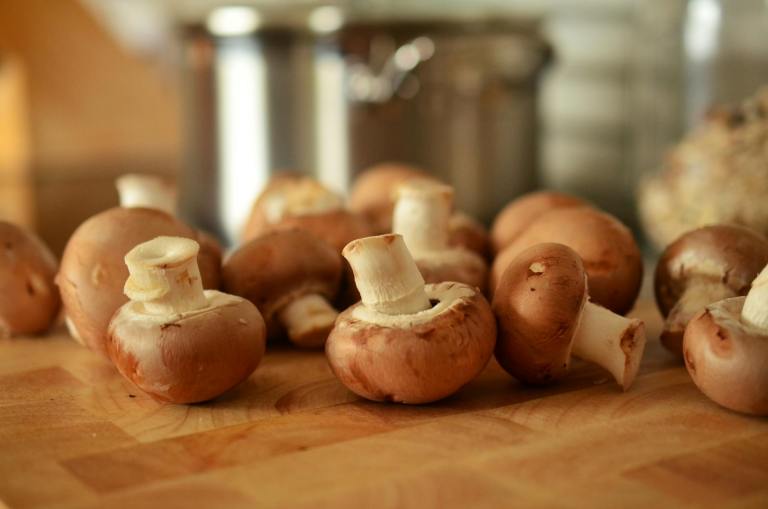
Foraged mushrooms, wild herbs, nuts, and berries can be extremely low-impact if harvested responsibly. These foods require no irrigation, no plowing, and no synthetic inputs, yet they deliver robust flavor and nutritional value.
While not scalable to the entire global population, wild foods connect us more closely to the natural world. When done responsibly, foraging offers an alternative to industrial food products.
9. Local Organic Produce
Choosing organic produce grown close to home reduces emissions from transport and, oftentimes, processing emissions. Depending on where you source it from, it can support soil health too. Whole produce avoids ultra-processed foods and undesirable ingredients like high-fructose corn syrup and synthetic additives. By supporting local farms, especially those using regenerative practices, you help preserve animal species habitats and support biodiversity. Local and seasonal foods are some of the best foods for the environment.
10. Fermented Foods

Fermented plant-based foods like kimchi, sauerkraut, miso, and tempeh have a minimal carbon footprint. They are preserved foods that often reduce the risk of food waste by extending shelf life. They’re also packed with health-promoting probiotics, supporting a healthy diet and gut health.
Better Food Choices = Better Future
Eating for the planet doesn’t mean giving up joy. These simple dietary changes just mean choosing different foods that nourish both your body and the planet. With each meal, there’s an opportunity to reduce greenhouse gas emissions, preserve endangered species, and support more resilient food systems.
Whether you’re inspired to embrace a full plant-based diet, explore a Mediterranean diet, or simply eat less meat, the shift toward sustainable eating has never been more urgent—or more delicious.
Practical Ways to Reduce Your Impact
Start by eating less meat and incorporating more vegan foods into your meals. Swap beef for lentils, chicken for tofu, and dairy milk for oat or hemp milk instead of almond milk.
Look for local, seasonal, and organic food products when possible. Support companies with transparent supply chains and consider reducing your intake of fast food and processed snacks.
The Best Foods for the Environment Might be Foods You Already Eat
Every small change adds up. By rethinking your food choices, you can play a direct role in climate action. The best way to cut your own carbon footprint is by embracing plant-based foods and choosing the best foods for the environment. The future of food lies not just in innovation but in intention—and it starts on your plate!