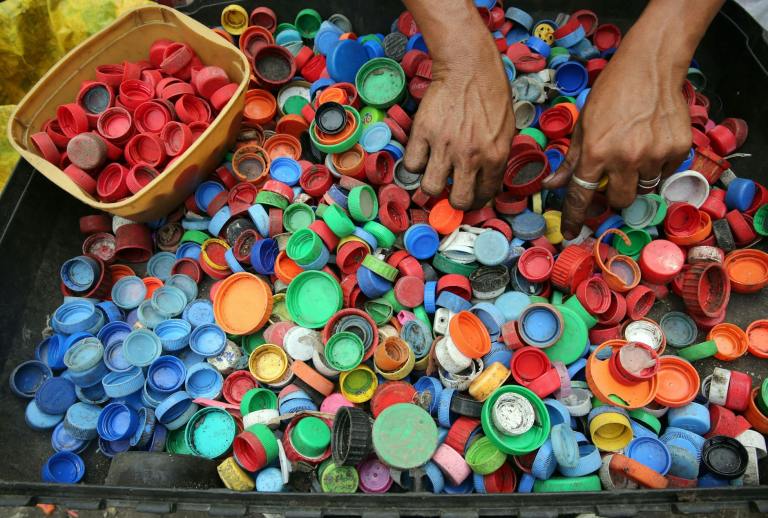
20 Eco-Friendly Kitchen Products & Sustainable Swaps

With news headlines of climate change making more frequent appearances, many of us are left wondering what we can do to reduce our carbon footprint and environmental impact. Very much like you, I’ve made efforts to try to make a more sustainable kitchen. If you're Looking to make a positive impact on the environment without sacrificing convenience? Switching to eco-friendly kitchen products is a fantastic way to start. It might seem like a big change, but trust me, the transition is easier than you think. With just a few simple swaps, you can reduce your carbon footprint and create a healthier, more sustainable kitchen. Let’s dive into why these eco-friendly options are so important and how they can make a difference.
Creating a sustainable kitchen isn't an overnight fix, and it doesn't have to be. These small, incremental changes towards more eco-friendly kitchen products can help you reduce the amount of single-use items, plastic waste, and food waste. Reducing single-use plastic is a great way to help transform your kitchen into a more eco-friendly one.
With many of these one-time purchases, you may even notice that you can cut our purchases of other materials like plastic wrap, Ziplock bags, or even cookware and bakeware! Not every sustainable product we tried and purchased fit our lifestyle, but hopefully, you can decide what will work for you. Make sure you sign up for our email to stay updated for the rest of the series!

1. Cloth napkins
I grew up in a house where a properly set table included a plate, a napkin, and silverware. When I first moved out, we used paper towels in place of napkins. They did the job, but we realized we were going through so many paper towels. We switched to cloth napkins right around the time when we changed to cleaning rags. If a restaurant can use cloth napkins, why can't we?
We love our cloth napkins and keep them nice and neatly in a dish on our table. It elevates mealtimes but also reduces paper waste. We tried polyester napkins and cotton napkins and found we liked the cotton better. The cotton ones are more prone to wrinkling. But keep in mind that the polyester napkins may release micro-plastics when washed. If you’re interested, learn more about that here.
The cloth napkins offer an elevated touch, especially when you're entertaining. When we have guests come over, they are impressed that we have cloth napkins at home!
2. Glass Food Storage Containers
After reading a book on the universal presence of harmful chemicals, I decided to reduce toxic chemicals in my daily life. One of the best places to start is in the kitchen. We purchased glass food storage containers to store our leftovers. We prefer them over plastic containers because we are less worried about the chemical transfer when we heat food in them. Also, they don’t stain or degrade over time like plastic containers.
While we still save leftover takeout containers, we ensure we do not heat food in these. Of course, glass storage containers can be expensive and don’t fit every lifestyle. You can also consider containers like stainless steel. When purchasing containers that are not plastic, you ensure longevity to your containers and your health. If you want to learn more about eco-friendly meal prep containers, check out our post here.
3. Kitchen compost bin
Composting is one of the best ways to make use of your food waste. The kitchen compost bin is a great place to collect and store your food scraps before you put them in the compost. Some kitchen compost containers use bags, but I liked that this container could be used with or without bags. It also has charcoal filters, so it does not emit an odor. If you want to learn more about composting, especially in small spaces, check out our article here.
If you don't want to invest in a compost container, you can always use a ziplock container or old coffee canister. If you find yourself getting bugs, you can always keep them in the refrigerator. For us, this works because it’s out of the way and still prevents the odors. This method works for us, but pick which products work best for your lifestyle to make your kitchen sustainable!
4. Kitchen composter/food cycler
Once your kitchen compost bin is full, it's time to compost the material. The kitchen composter is quite possibly my favorite eco friendly kitchen investment. I use it at least three times a week! The bin holds a few days worth of food scraps and can even compost animal bones!
It takes our food scraps and accelerates the composting process through heat and aeration to break the food down. Composting typically takes about six months, but this process expedites it to a few hours. Adding compost to your house plants or garden creates nutrient-rich soil and also helps
A kitchen composter is one of the best ways to compost in a small space. Check out other ways to compost in a small space or apartment composting here.

5. Kitchen rags
Paper towels are a convenience we didn't have a few decades ago. They're convenient to clean up messes, use as a napkin, and for many other uses. But as we look to doing things in more simple ways and convert to more eco friendly kithcn products, one of the first and easiest swaps we made made was to switch to kitchen rags.
Kitchen rags are more durable than paper towels and help with tougher messes. They also last a lot longer than a regular paper towel, so you can clean them for a longer amount of time. You don't need to buy kitchen rags from organic cotton in order to make a difference. You can cut up old towels, t-shirts or use old rags. My favorite are terry cloth rags because they are 100% cotton and very absorbent.
To clean the rags, we make sure we rinse them with water before putting them in the wash with our other cleaning rags, napkins, and dishcloths. We will wash them with some detergent in our sink if there’s a big mess or something we don’t want in the washers (i.e., coffee stains, rags to clean the refrigerator). However, there will always be things that are best dealt with paper towels, like cleaning up messes from your pet. For this reason, we keep a roll or two of paper towels around but heavily rely on our cleaning rags for kitchen and general housekeeping.
6. Orange oil concentrate
We initially purchased orange oil concentrate as a way to deter our cats from scratching up our furniture. However, they completely ignored the smell and thankfully decided scratching posts were much more fun to destroy. When we went to return it, we got a warning that it couldn’t be shipped back because it was a volatile liquid, so we soon learned about its versatility as a natural product.
If you don't want to purchase orange oil concentrate, you can use this zero waste method to extract the essential oils from orange peels to make a high quality kitchen cleaner!
We LOVE our orange oil cleaner. We use it to clean everything from kitchen countertops, stovetops, bathroom, and even mop the floors! It can be diluted with water and has lasted us over two years! That’s two years of not purchasing hazardous chemicals or individual bottles of plastic cleaner. Plus, it leaves a lovely citrus smell lingering in the air once you are done cleaning. Concentrated cleaners overall are a great sustainable product for your home.
7. Reusable coffee cup
If you are a frequent coffee drinker like me, you’ll know there is nothing quite as lovely as having a hot cup of coffee with you on the go. Very rarely do you see me without a coffee cup in hand. But rather than purchasing disposable coffee cups or purchasing coffee from the store, I have found that making coffee before I leave and using my Yeti cup, I am more likely to enjoy the coffee longer since it stays hotter longer. It’s an easy swap and sustainable kitchen product I use constantly.
Even if you like to purchase coffee from a shop or chain, many will accept your mug and size it accordingly. Some even give you a discount for using your own cup! I even take my coffee cup with me when I travel to reduce the packaging needed with each cup. There's so many different types to choose from, but here's just one option for you.
8. Beeswax wraps
I grew up heavily relying on plastic wrap to cover food. However, beeswax wraps can cling nicely to dishes and cover baked goods better than cling wrap. It works great for things like sandwiches, fruits, and prepared vegetables. However, the wraps do need to be replaced yearly and cannot be washed under hot water since the wax will melt. While we didn’t replace our beeswax wraps the year after we purchased them, we did begin to use more dishes with lids and silicone lids. Regardless of which options you choose, these products can help you have a more sustainable kitchen. Bee's wrap
9. A Good Set of Dishes
On some days, paper plates seem like an easy choice. However, these single-use paper products are used for only a few minutes while requiring cutting down trees. Worse, styrofoam plates and plastic plates almost never break down and contribute to microplastics in our food systems. Even paper plates have a coating of plastic on them to prevent liquids and grease from saturating the plate. A good set of dishes are one of the simplest eco kitchen products you can have, as long as you use them. Switching from paper plates to regular dishes is one of the easy swaps you can make in your kitchen.

10. Silicone Baking Mats
If you're looking to reduce the amount of aluminum foil you use or parchment paper when you're baking, silicone baking mats are a great eco-friendly alternative. They can withstand high heat and help you from having to use cooking spray. I love these silicone mats because they are dishwasher safe and make for an easy clean up.
11. Eco-Friendly Dish Brushes
A simple swap for more eco-friendly kitchen products is swapping out your sponges for an eco-friendly dish brush for their durability and biodegradability. Dish brushes made from natural fibers and other materials often last longer than traditional plastic ones, which may bend over time. This prevents you from having to replace your brushes so often, and you may even be able to clean them by soaking them in vinegar. Some eco-friendly dish brushes may even decompose or compost at the end of their life.
12. Misto – Oil Sprayer
A misto oil sprayer is an inexpensive replacement for pressurized cooking spray. Most cooking sprays contain a pressure release chemical to help disperse the spray. The Misto is a cleaner way to get a spray of oil when you're baking. Best of all, it's refillable with any other type of oil. These reusable oil sprayers are one of the simpletst eco-friendly kitchen products to move towards a greener kitchen. Best of all, you'll end up saving money on cooking spray after just two uses!
13. Reusable Produce Bags
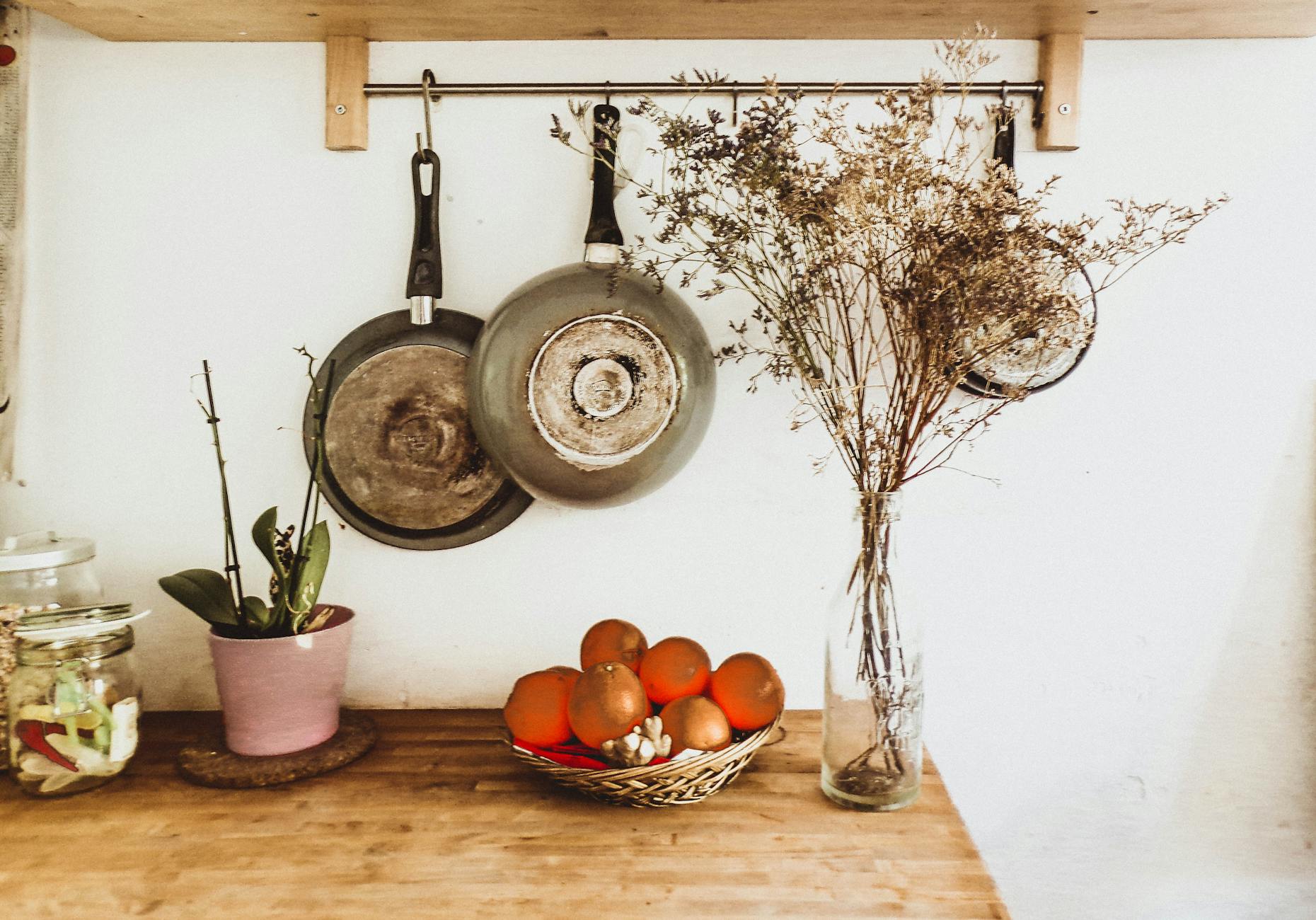
Reusable produce bags are a simple yet effective way to reduce plastic waste and protect your produce. The single-use plastic bags available to you in the grocery store are typically too thin to be recycled, so reusable produce bags are a great option. These bags are typically made from recycled materials or canvas, making them both eco friendly and durable. You can wash and reuse them countless times. Additionally, reusable produce bags provide a gentle way to transport fruits and vegetables without damaging them, ensuring they stay fresh for longer. These bags are one of the best eco-friendly kitchen products I've purchased, so I definitely recommend the transition. Don't forget to bring them with you to the grocery store, though!
14. Food Huggers
Food huggers are an eco-friendly and practical solution for keeping food fresh. Made from silicone, these reusable covers are a great alternative to single-use plastic wrap. By preventing spoilage, food huggers help reduce food waste and save you money. They are incredibly versatile, fitting snugly over apples, avocados, other foods, bowls, plates, and containers of various sizes. With their reusable and washable design, food huggers offer a convenient and eco-friendly way to preserve your food and reduce your environmental impact.
15. Compostable Trash Bags
Compostable trash bags offer a more eco-friendly alternative to traditional plastic bags for your kitchen scraps. Some of these bags are biodegradable, meaning they break down naturally in compost environments, reducing landfill waste and contributing to a healthier planet. They are ideal for food scraps, helping to create nutrient-rich compost that can be used to fertilize gardens and reduce the need for synthetic fertilizers. By choosing compostable trash bags, you're making a positive impact on the atmosphere and promoting an environmentally friendly lifestyle.

16. Reusable Bags for Grocery Shopping
Reusable grocery bags are a simple yet effective way to reduce plastic waste and contribute to a healthier planet. While some states have implemented mandates for reusable bags, you don't need to wait for a law to make a positive change. By using reusable bags, you're eliminating the need for single-use plastic bags, which often end up in landfills and harm wildlife. These bags are durable and can be used for countless shopping trips, making them a cost-effective and responsible choice. Remember, while reusable bags have a slightly higher carbon footprint than plastic bags when first produced, their long-term environmental benefits far outweigh this initial cost. By choosing reusable grocery bags, you're taking a proactive step towards reducing plastic pollution and creating a cleaner, healthier world.
17. Biodegradable Soap
Biodegradable soaps are a sustainable and eco-friendly choice for your household cleaning needs. By swapping out your traditional hand and dish soaps for biodegradable options, you're contributing to fewer chemicals in our waterways. These soaps are made from natural ingredients that break down easily in wastewater, reducing the environmental impact of your cleaning routine. Additionally, biodegradable soaps are often gentler on your skin than traditional soaps, as they contain fewer harsh chemicals. By choosing biodegradable soaps, you're not only reducing the demand for synthetic cleaning products and creating a healthier home.
18. Metal Straws or Reusable Straws
Metal or reusable straws are a sustainable and eco-friendly alternative to single-use plastic straws. By choosing these options, you're eliminating the need for plastic straws, which often end up in oceans and harm marine life. Reusable straws are durable and can be used repeatedly, reducing waste and saving money. While they may require a bit more effort to clean than plastic straws, especially if used for thick beverages, there are special brushes available to help with the cleaning process. By incorporating reusable straws into your daily routine, you're taking a proactive step towards protecting the environment and reducing plastic pollution.
19. Silicone Bake Ware
Silicone bakeware is a fantastic addition to any kitchen. Its reusable and non-stick properties eliminate the need for parchment paper, reducing waste and saving you money. This versatile material is heat-resistant and durable, making it perfect for baking, cooking, and cooling food. Cleanup is a breeze – simply wash it with warm soapy water, and it's ready for your next culinary adventure. Some are even dishwasher-safe! By choosing silicone bakeware, you're not only making a sustainable choice but also enjoying the convenience and durability of this versatile kitchen essential.
20. Reusable Water Bottles
Reusable water bottles are a fantastic way to reduce plastic waste and conserve resources. By ditching single-use plastic bottles, you're not only helping reduce plastic waste but also saving money. These bottles are incredibly convenient to carry around and refill throughout the day. They are mainstream now, making them a practical choice for anyone looking to reduce plastic. Water-fill stations are popping up in airports, train stations, and even concert venues. By choosing reusable water bottles, you're contributing to a healthier planet and promoting a more sustainable lifestyle.
Which Eco Friendly Kitchen Products will you swap today?
Making the switch to eco-friendly kitchen products is a small step towards a healthier planet, and it’s easier than you might think. With a little creativity and a willingness to try new things, you can create a sustainable kitchen that’s both beautiful and functional. So, what are you waiting for? Start incorporating eco-friendly products into your daily life and make a positive difference. Don’t forget to sign up for our mailing list to stay updated on the latest sustainable living tips, and check out our podcast for more in-depth discussions on eco-friendly kitchen products and sustainable living. Let’s work together to build a greener and more sustainable future!
As a disclaimer, this page uses affiliate links, but I have tested, tried, and have regularly use every product listed.
Discover more from made to sustain
Subscribe to get the latest posts sent to your email.