Define Food Miles in Simple Terms: What are they?

All food needs to travel from somewhere to get to your plate. It's an approach used to define food miles. But did you know that processed foods, on average, travel 1,300 miles, and fresh food travels over 1,500 miles before it is consumed[1]? This practice of measuring the average distance food travels to your plate is defined as food miles. But what are they, and do they contribute to climate change?
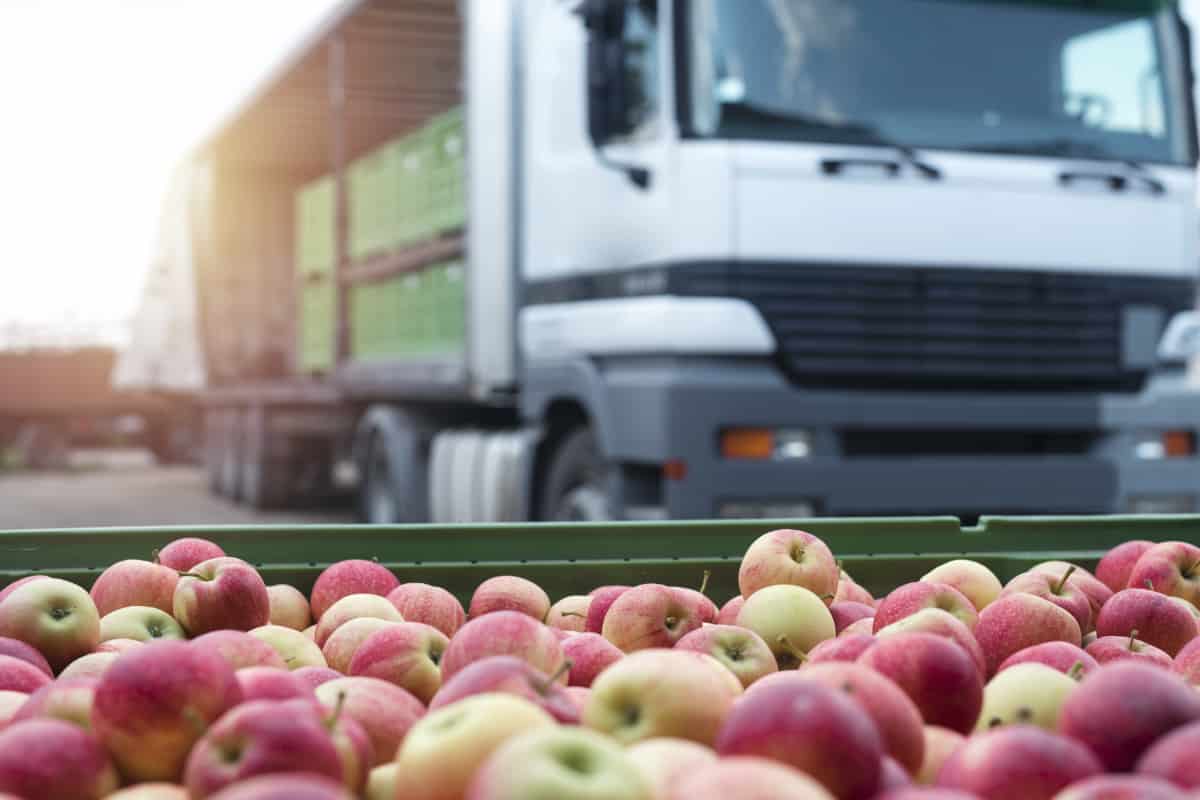
Defining food miles is very straightforward. It's the distance the food has traveled from harvest to your plate is its food miles. The common phrase “farm to fork,” when referring to restaurants or farmers' markets, often refers to a shorter distance of food miles traveled. Food miles are a green measurement, not a sustainability measurement.
But the question constantly circulating within the food industry is, “How much of an impact do food miles have on the overall carbon footprint of a product?” But to answer this question, you need to understand what food miles are, how they are calculated, and why we use them.
If you want to learn more about how to make sustainable food choices, take a look at this post here.

Background: How to Define Food Miles
The concept of food miles was created in the late 90's by the UK government. It has since become widely accepted as a way to define food miles. This refers to the distance food travels from the farm to get to your table. It has evolved to include the greenhouse gas emissions impacted by different transportation methods.
This phenomenon of food miles is relatively recent because, within the past 80 years or so. The desire for fresh and exotic food items all year round has become more in demand. Because we use a globalized food system, the scale of food miles now includes global food miles, which are much higher than using our local food system.
One important thing to note about food miles is that this calculation does not include emissions from agricultural and cultivation practices. Therefore, you cannot make a direct comparison to a lower carbon footprint food based on the food miles alone.
Understanding Food Transportation to Calculate Food Miles
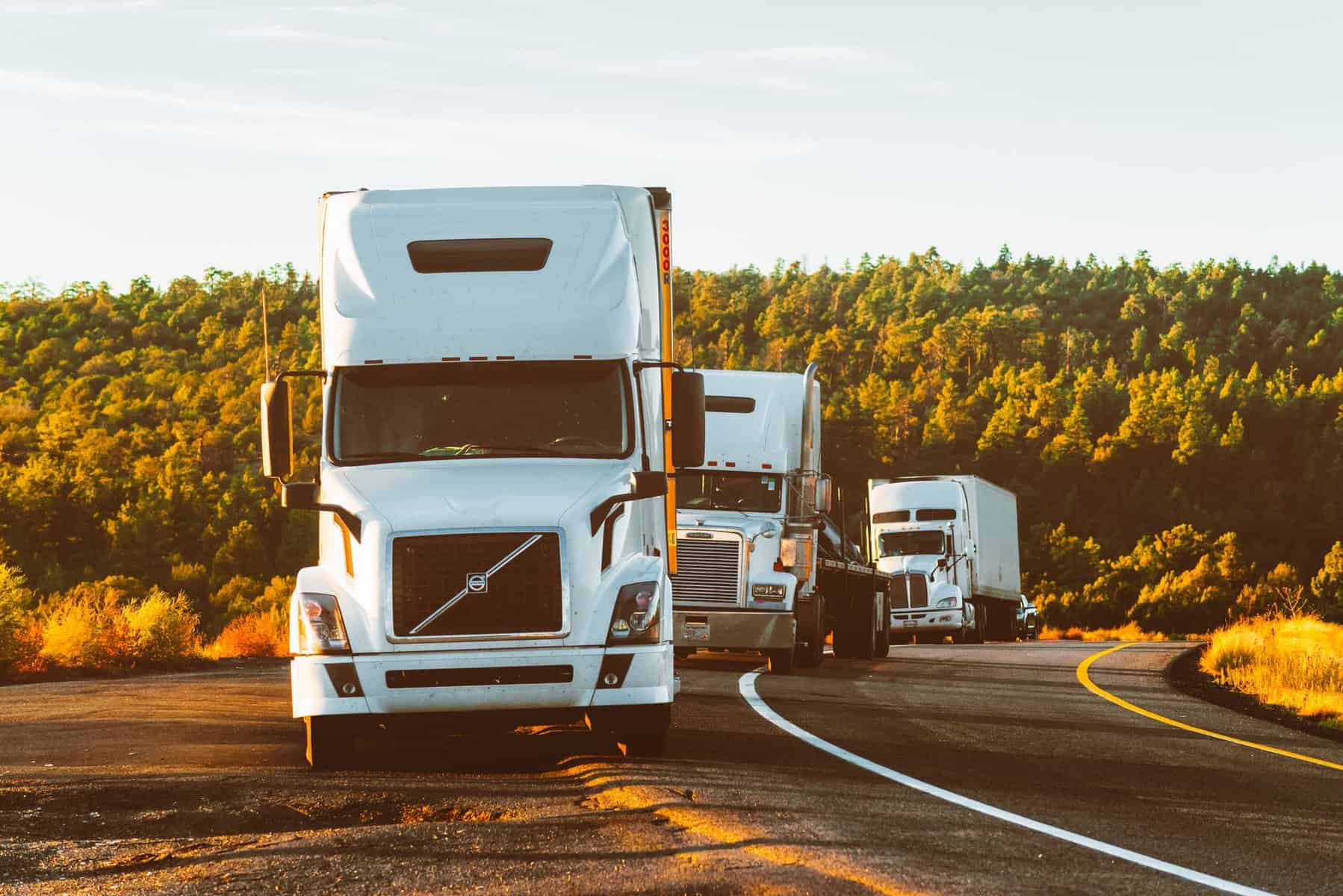
Food transportation and distribution is a science in itself. It's a system that uses various forms of transportation from semi-truck for ground, rail cars for trains, ships for overseas transport, and air transportation. Foods are delicate and can't be crammed into containers like other goods can. Not to mention, there's the complexity with which foods need to be shipped and stored at different temperatures like shelf stable, refrigerated, and frozen.
In addition to preventing damage, food distribution has the added challenge of delivery before expiration. It must meet rigorous safety standards in order to be approved upon arrival. With many companies now moving directly to consumers and increased use of e-commerce, the system is becoming increasingly complex. Food miles often do not include the additional distance it takes to get from the grocery store to your home. For foods you can buy online, this can add up quickly.
Most of the modes of transportation still employ the use of fossil fuels, so nearly one-fifth of total food system emissions come from food miles.
How to Calculate Emissions from Food Miles
Food Miles contribute to freight emissions, which contribute to global greenhouse gases. To calculate this, you'll need to take the distance traveled multiplied by the weight of the product multiplied by the emissions factor. The emissions factor varies based on the mode of transportation used. Air freight emits the most emissions, followed by oceans then, followed by trucks. Produce that is time sensitive or climacteric is often air freighted to combat the shelf life of the food. These metrics are typically calculated to accommodate metric tons, and converting them to consumer levels can be challenging due to the emissions factors.
The Environmental Protection Agency (EPA) closely monitors and regulates emissions among other things from both companies and transportation. The Environmental Defense Fund developed the method to calculate food miles using a standard calculation with variables for the mode of transportation[2]. The calculations shown here were conducted according to the EDF method, however, there are several websites tools that can perform the calculations for you.
Example Calculation: Food Mileage for a Tomato
Using MyClimate.com emissions calculator, we calculated the amount of emissions of a tomato from local producers compared it to a tomato imported from Mexico.
If we estimate that a local tomato may travel 50 miles to your local farmers market driving a pickup truck or a cargo van that's powered by gasoline. The carbon emissions for this particular load are equivalent to 0.034 tons of CO2 [3].
In the Northeastern region of the United States, fresh tomatoes are typically sourced from Mexico in the wintertime. Depending on the demand, it can be all year long. The distance traveled between these two locations is around 2700 miles. If the tomatoes were transported using a semi-truck, the emissions were estimated to be 1.8 tons of CO2. Since this is an extensive trip, distributors may even airfreight the product, emitting 1.1 tons of CO2 per flight.
While air transportation gets produce to it's final destination quicker, and it has more carbon emissions. In fact, air transportation produces 32 times more emissions than a local tomato. The amount of transportation emissions from the locations can be vastly different depending on the source location. Other things that impact the emissions amounts, such as the vehicle's weight, the type of fuel used, the size of the vehicle, and even road conditions.
Regardless of conventional, GMO, or organic produce, the emissions from food miles are the same.
-
 Seasonal Produce Guide$4.00
Environmental Impact of Food Miles
To define food miles is very straightforward. It's the distance the food has traveled from harvest to your plate is its food miles. It is estimated that processed foods travel 1,300 miles, and fresh food travels over 1,500 miles before it is consumed[1].
Food miles are often assumed to have a significant environmental impact. Transportation emissions do contribute to greenhouse gases and air quality from pollution. However, food miles don't account for other facets of sustainable agriculture.
An important factor to note is that this calculation does not include emissions from agricultural and cultivation practices. Things like deforestation of the land to grow the food, nutritional value, regenerative agriculture practices, or even food waste and food consumption aren't accounted for in food miles. Food miles are just one component of total food system emissions to its overall footprint.

Benefits of Reducing Food Miles
Reducing your food miles has some benefits, with the top being the option to eat locally-grown, fresh produce. By choosing locally grown foods, you're not only helping the environment by lowering transportation emissions and shrinking your carbon footprint. You're also supporting the hard-working farmers and businesses that keep our local communities thriving. This often translates to fresher, more seasonal produce that's bursting with flavor, and it strengthens. Eating local produce is important for a number of reasons. It helps by supporting your local economy, eating food at peak freshness, and reducing the carbon footprint in food distribution. So, next time you're at the grocery store, consider opting for local options. It's a win-win for your taste buds, the planet, and your local farmers!
How to Reduce Your Food Miles
Now that you know how to define food miles, here's what you can do to reduce them:
- Prioritize local and seasonal produce: Seek out farmers' markets and Community Supported Agriculture (CSA) programs. These options connect you directly with local farms. Your food travels a shorter distance and is harvested at peak freshness. Take a look at our seasonal produce guide to make sure you're buying produce in season!
- Plan your meals: By planning meals in advance, you can avoid impulse purchases that often involve out-of-season or transported items. This allows you to create a grocery list focused on local and seasonal options.
- Become a label detective: Scrutinize food labels for origin information. Choose locally sourced options whenever possible. This empowers you to make informed decisions that align with your commitment to reducing food miles.
- Embrace whole foods: Opt for minimally processed whole foods over pre-packaged or heavily processed items. Processed foods often travel long distances and may contain additional ingredients that contribute to their environmental footprint.
- Explore alternative proteins: Meat production carries a higher carbon footprint and significant environmental impact, although not necessarily in food miles. Consider incorporating more plant-based foods sources into your diet, or choose meat raised locally whenever possible. This reduces the overall environmental burden associated with animal protein consumption.
By implementing these strategies, you can make a significant contribution to reducing food miles and fostering a more sustainable food system.
-
Seasonal Produce Guide$4.00
Challenges to Reducing Food Miles
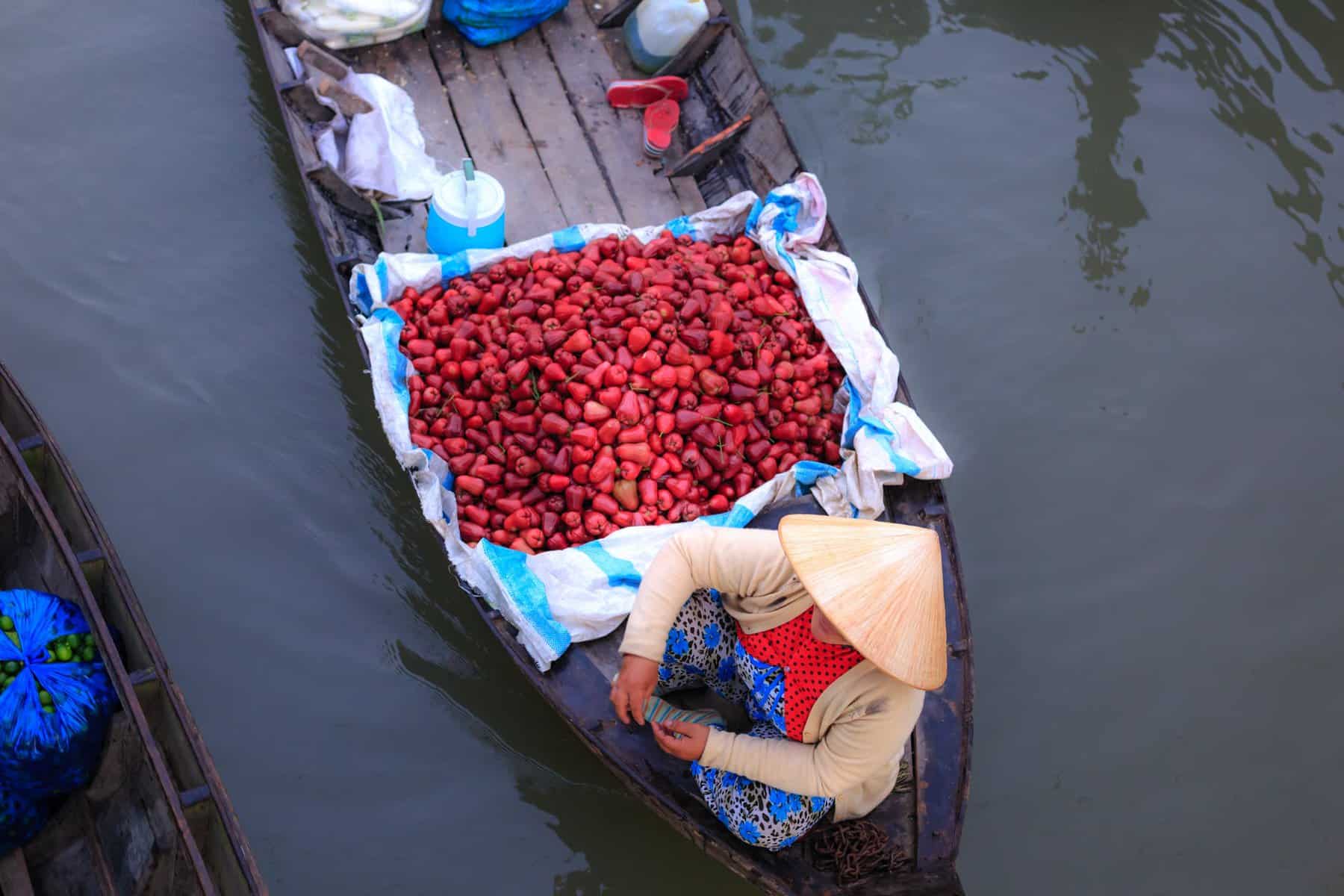
While prioritizing local and seasonal produce offers a reduction in food miles, there are challenges within our current food systems to acknowledge. Accessibility and affordability can be concerns. In particular, areas with limited access to local farms or farmers markets (often referred to as food deserts). Local foods can be more expensive because they are not produced at scale, but they support local economies. Additionally, transitioning from year-round availability to seasonal options requires some adjustment. Take a look at our seasonal produce guide for ways to support local, seasonal foods.
It is important to note that emissions from agricultural and cultivation practices are not included in this calculation. Things like deforestation of the land to grow food, water pollution, regenerative agriculture practices, or even food waste and food consumption aren't accounted for in food miles.
Several strategies can help counteract these challenges. Purchasing frozen, canned, or preserved foods can be a viable option during off-seasons, as these products are often harvested and preserved at peak freshness. Even incorporating a few locally sourced ingredients from your farmer's market can make a difference.
Community Supported Agriculture (CSA) programs offer another solution. By subscribing to a CSA, you receive a regular box of seasonal produce directly from a local farm, promoting both affordability and access. Ultimately, even small changes in your purchasing habits can contribute to a more sustainable food system.
Is it more Sustainable to buy food with fewer food miles?
Food miles matter, but they are a small percentage of the total environmental impact of foods. Farming practices, water usage, and food waste all play a role in the overall footprint of what ends up on your plate.
The good news is that every bite counts! Your food choices matter. And now that you know how to define food miles, you can start to make changes. Start by prioritizing local and seasonal options. Plan your meals and opt for minimally processed foods – it's a great start to making a positive difference. Remember, small changes can have a big impact. Will you opt for food with reduced miles? Let me know what you think.

Sources:
1. Hill, Holly. NCAT.“Food Miles: Background and Marketing” A Publication of ATTRA – National Sustainable Agriculture Information 40 • 2008. http://www.attra.ncat.org
2. Environmental Defense Fund. “The Green Freight Handbook” A Practical Guide for Developing a Sustainable Freight Transportation Strategy for Business.
3. Foundation myclimate https://www.myclimate.org
Discover more from made to sustain
Subscribe to get the latest posts sent to your email.