How Thrifting Helps the Environment And Saves You Money

If anyone loves a good bargain and a unique item, it's me – especially if it’s a useful kitchen gadget. As an environmentalist, thrift shops are the perfect way to find a unique, lower-impact item, usually at a low cost. In the midst of a good find, it's easy to forget that thrifting also helps the environment.
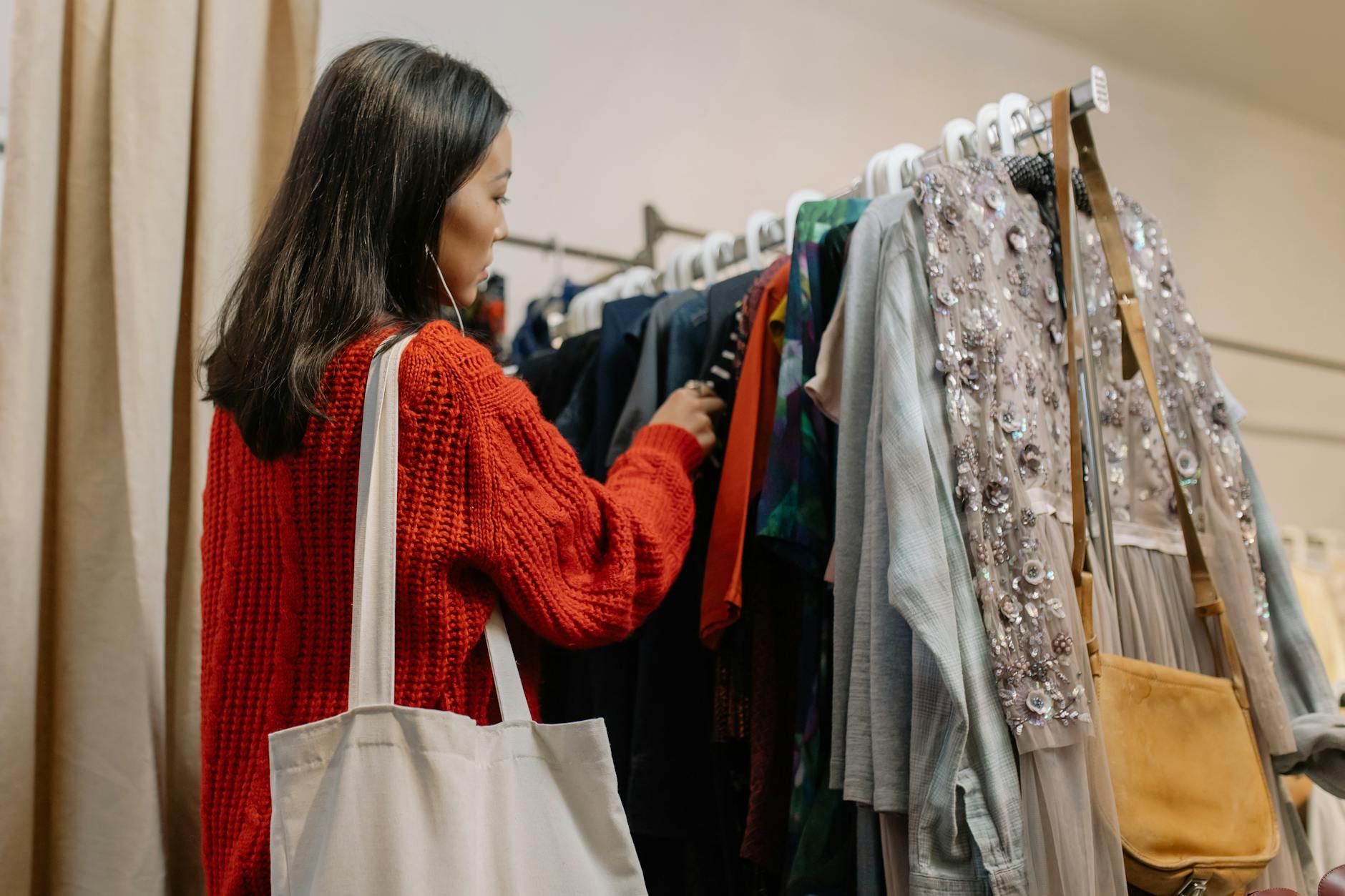
By giving pre-loved items a second life, you're not only saving money but also making a positive impact on the environment. In recent years, local thrift stores have become a hot spot for finding one-of-a-kind items, but there's more value to thrifting than just a good find. Whether it's clothes or kitchen items, thrift stores like Goodwill divert up to 86% of their items from going into landfill! It's hard to quantify the overall impact thrift shops have because many are independently owned, but I want to assure you that thrifting helps the environment.
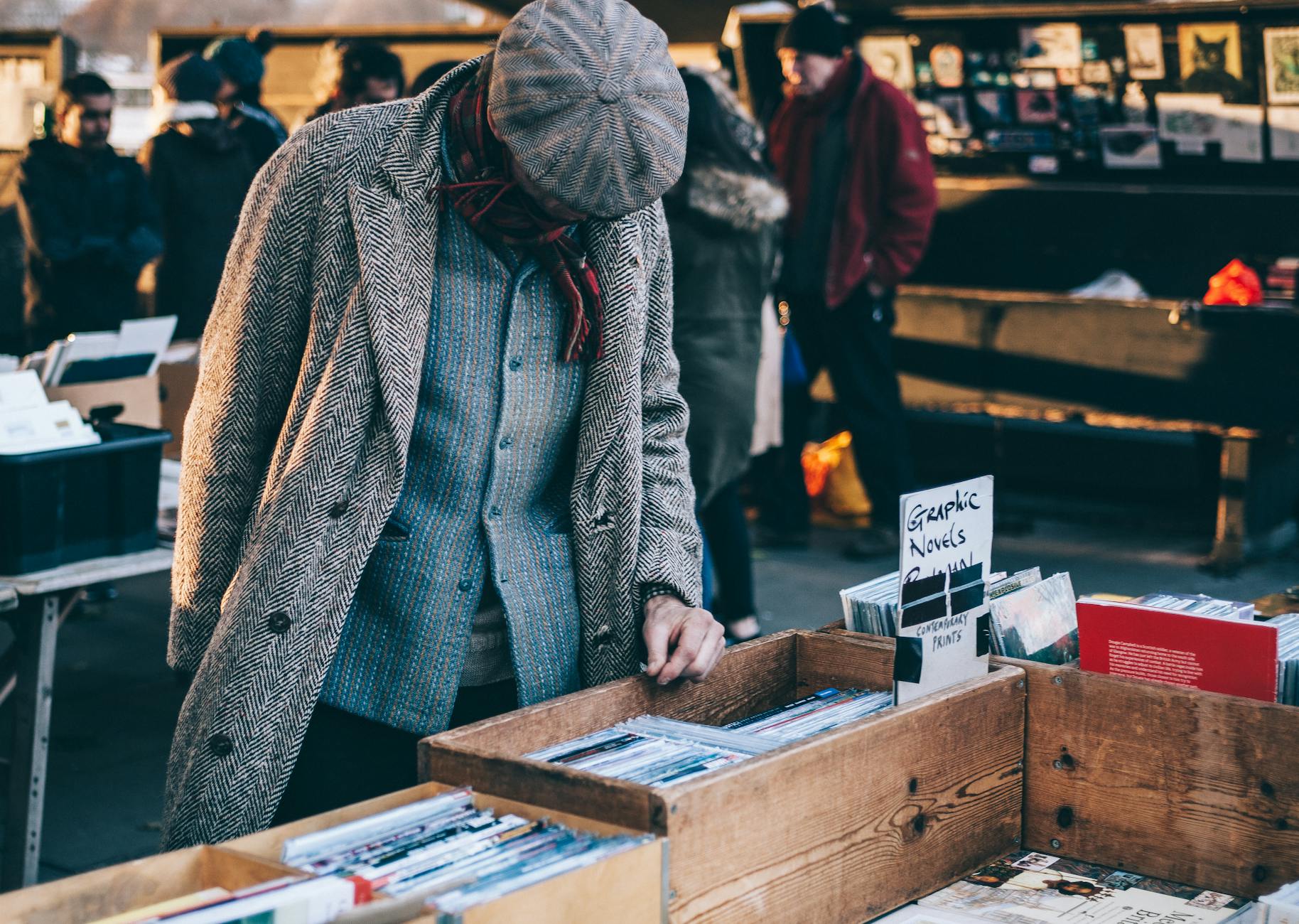
Some of my favorite kitchen gadgets and home decor are second hand items. Thrifting can be from a thrift shop, community marketplace, or even a yardsale. Secondhand shopping helps the environment and your wallet, and this post shares how.
Environmental Benefits of Thrifting
By giving pre-loved items a new home, thrifting helps the environmental impact in a few ways such as reducing demand, extending the life of items, and keeping items like textiles out of landfills.
Reduces Demand for New Items & Clothing
Manufacturing new home decor, kitchen items, or garments requires vast amounts of resources like cotton, polyester, plastics, gallons of water, and dyes. These materials often involve intensive water usage, harsh chemicals, and land clearing, all contributing to carbon emissions and habitat loss. Thrifting clothes significantly reduces the demand for new clothing production, which carries a hefty environmental burden.
The same goes for other items, which vary in resource intensity but can contain petroleum-derived items like plastic, which contribute to greenhouse gas emissions. By choosing pre-loved items, we lessen the need for this resource-intensive cycle. Thrifting helps the environment when it contributes to sustainable fashion, interior design, and practical purchases.
Extends the Life of Existing Items
Buying items secondhand from a thrift shop can extend the life of an existing item by giving it a new life to a new owner. Oftentimes, someone donates old clothes and items to second-hand stores in great condition, just looking for a new home. Giving pre-loved items a new life is a simple act that not only lessens the burden on landfills and climate change but also helps conserve resources that would have been used to create new items.
Reduces Overall Consumption
Between homes, furniture, and decor, we are constantly being influenced to purchase new things just to keep up with the latest trends. The constant churn of new clothes and new items comes at a hefty environmental price. Thrifting promotes a more mindful approach to shopping by reducing overall consumption. When you thrift, you're less likely to buy into fast fashion trends that encourage frequent purchases and rapid disposal of clothing and other items. Reducing how much you shop is just one example of sustainable practices to reduce your carbon footprint and environmental impact.
The Upside of Thrifting
If you go to a large retailer or chain store, you’ll find mass-produced versions of items that are the same in every store. Instead, thrifting allows you to discover unique pieces that reflect your style and stand the test of time.
This not only reduces the demand for new items but also encourages a more sustainable and thoughtful approach to shopping, where quality and longevity take precedence over fleeting trends. By embracing thrifting, you're helping the environment while enjoying the thrill of finding one-of-a-kind treasures.