Simple Ways You Can Avoid Microplastics in the Kitchen

Microplastics are no longer an abstract environmental issue. They are embedded in daily life. From the water supply to the food chain, and even within the human body, they are omnipresent. Today, we're taking a look at how to avoid microplastics through our everyday kitchen habits with a bit of effort. There are many practical steps we can take to significantly reduce microplastics exposure.
Why You Should Avoid Them: Health Implications of Microplastics
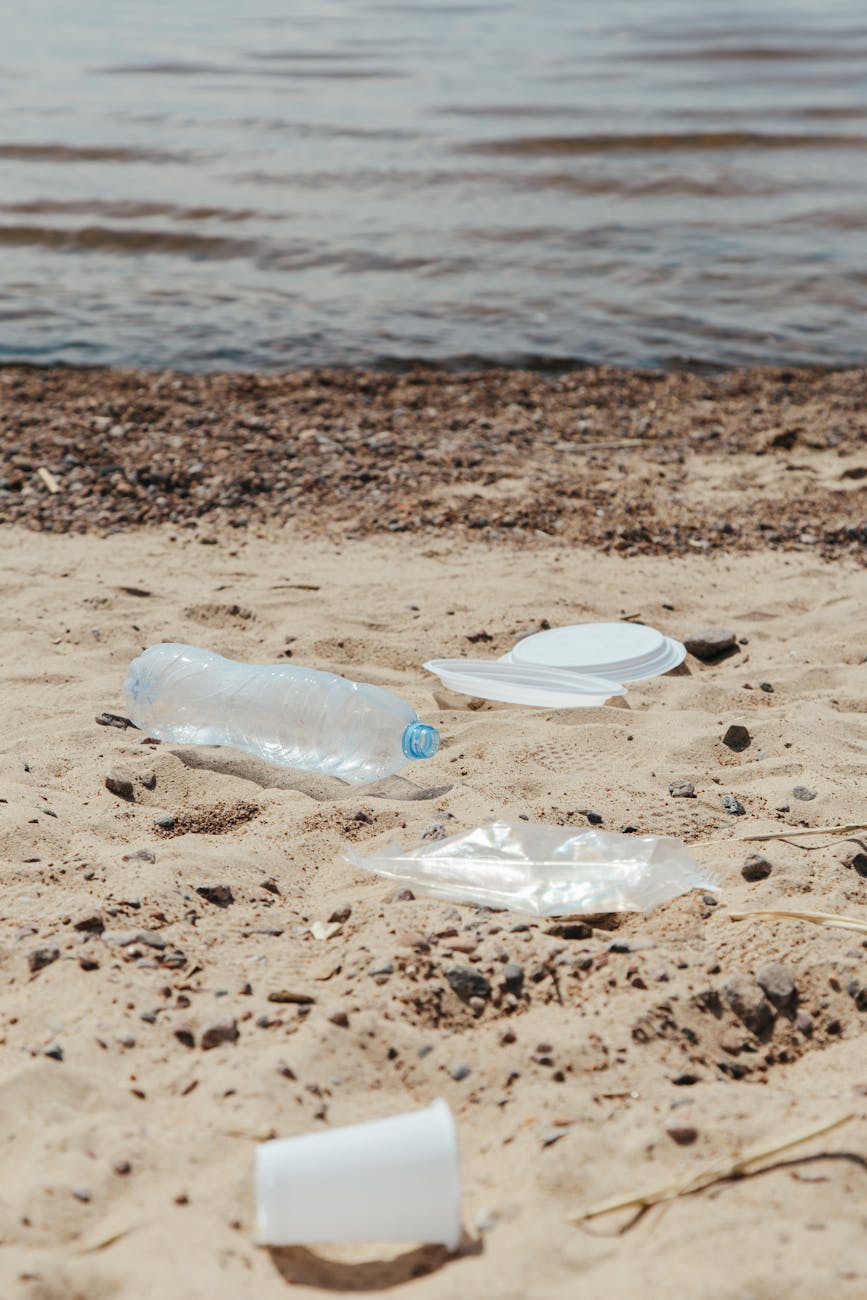
Microplastics are ubiquitous. Recent studies have detected microplastics in the most remote regions of the world as well as in human blood and breast milk. This raises concerns about long-term health effects. Animal studies link microplastic exposure to oxidative stress, inflammation, and cardiovascular risks such as heart disease and heart attack.
Additionally, many plastics contain endocrine disruptors, such as BPA, found in single-use plastics and food packaging. While we know the effects at larger doses, it's really difficult to determine the effects of chronic long-term exposure to microplastics containing these chemicals.
Researchers estimate that the average person may ingest a credit card’s worth of plastic each week. It's more important than ever for us to take practical steps and discover how to avoid microplastics.
1. Rethink Plastic Containers for Food Storage
Plastic containers are one of the most common sources of microplastic particles in the kitchen. With use over time, wear and tear causes tiny pieces of plastic to shed, especially when containers are scratched or exposed to high heat. Recent studies show that plastic food containers can release smaller particles directly into stored food, contributing to the presence of microplastics in the food supply.
A better choice is switching to glass bottles or stainless steel food containers. These natural materials are more inert, do not degrade into small plastic particles, and help limit long-term microplastic pollution.
2. Avoid Heating Food in Plastic
Heating plastic items accelerates the breakdown of polymer chains. When hot food comes into contact with plastic wrap or plastic utensils, harmful chemicals—including flame retardants and polyfluoroalkyl substances—can migrate into meals. This increases the amount of microplastics and toxic chemicals consumed unknowingly.
Using ceramic, stainless steel, or glass cookware is a good alternative, particularly when reheating leftovers or cooking at high heat.
3. Choose Filtered Tap Water Over Bottled Water
Bottled water is one of the largest contributors to microplastic exposure. A single-use plastic water bottle can contain thousands of tiny plastic particles invisible to the naked eye. Multiple recent studies have identified higher microplastic levels in plastic bottles than in tap water.
Filtered water—especially when treated with reverse osmosis filters or systems certified by the Environmental Protection Agency—can significantly reduce small particles while cutting down on plastic waste.
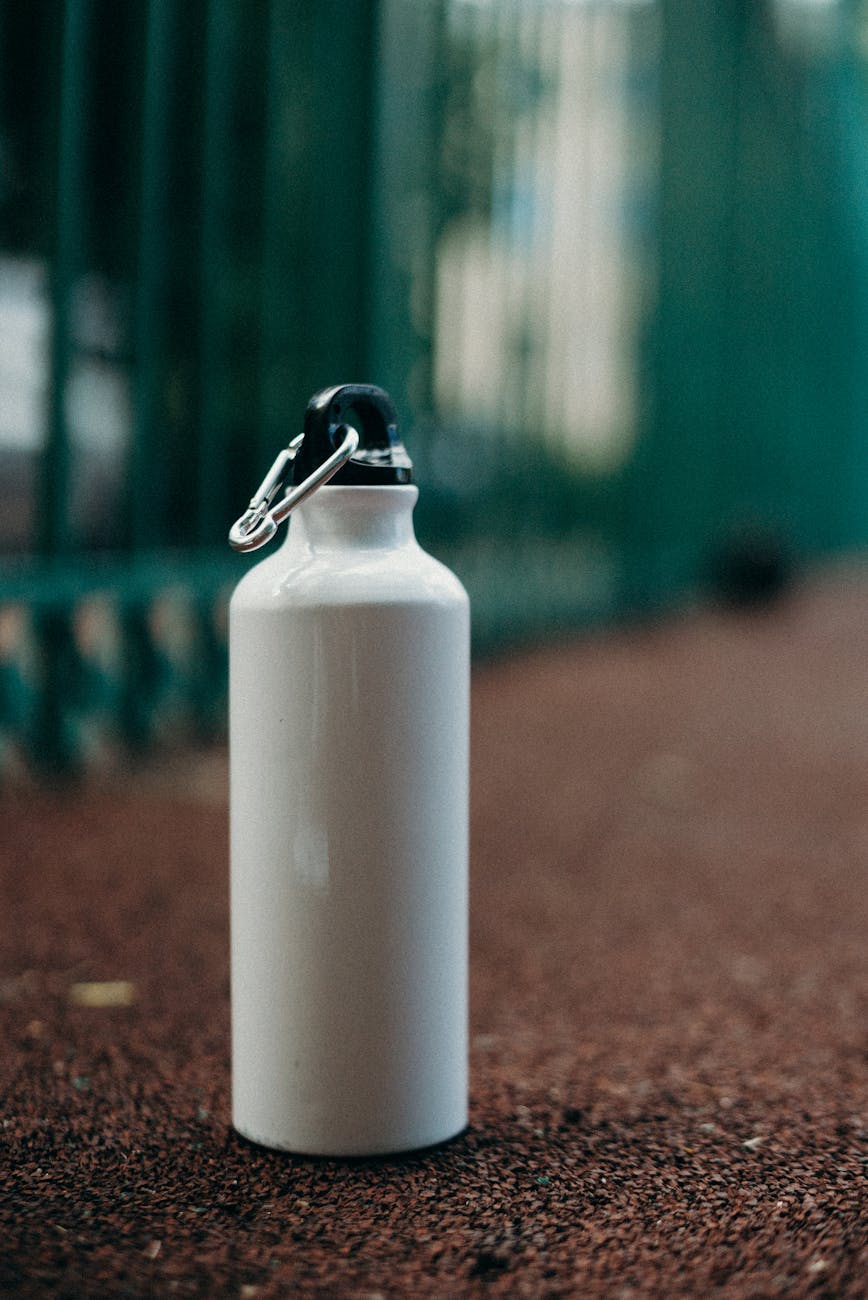
4. Ditch Plastic Water Bottles for Reusable Options
Plastic water bottles degrade with repeated use, releasing smaller pieces of plastic into drinks. Stainless steel bottles and glass bottles offer a safer, longer-lasting solution. This simple swap reduces plastic use while protecting human health and water sources.
The good news is that reusable bottles also reduce dependence on single-use plastic bottles and save money.
5. Skip Single-Use Plastic Packaging at the Grocery Store
Single-use plastic packaging is ubiquitous in the grocery store. Choosing whole foods, fresh produce, and minimally packaged items is one of the best ways to lower microplastic exposure while supporting environmental health. A trick is to avoid the single use bags to package your loose produce. You can swap this for cotton or linen bags, or bypass it altogether.
6. Be Selective With Tea Bags
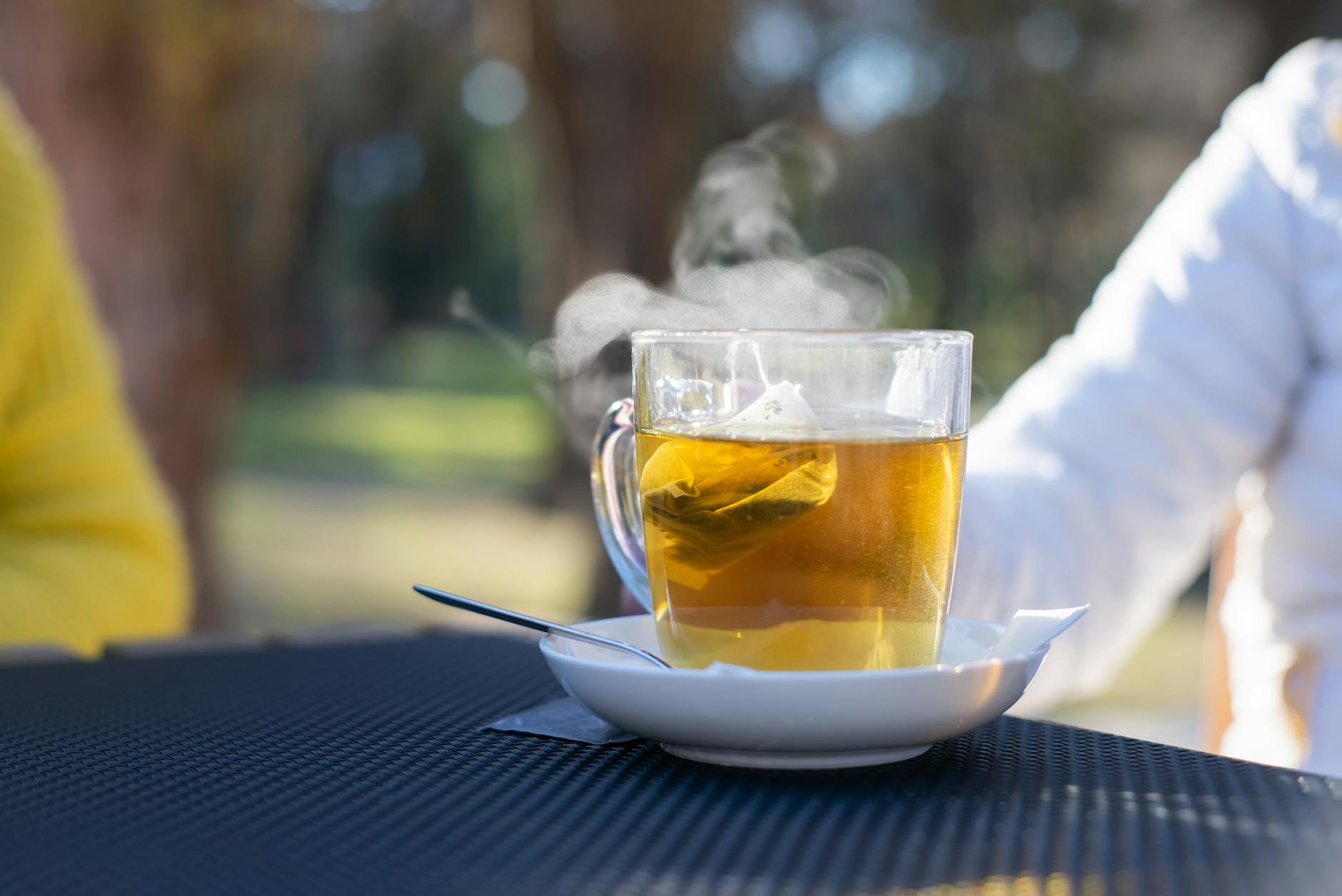
Some tea bags are made from synthetic materials that release tiny plastic particles when steeped in hot water. A recent study found billions of pieces of microplastic released from a single plastic-based tea bag.
Loose-leaf tea or paper tea bags made from natural fibers provide a safer alternative with fewer health issues linked to microplastic ingestion.
7. Store Food Without Plastic Wrap
Plastic wrap easily fragments, contributing to the amount of microplastics that end up in meals. Over time, these smaller particles accumulate in the food supply.
Reusable beeswax wraps, silicone covers, or simple glass lids are a good idea for storing leftovers without increasing microplastic pollution.
8. Rethink Non-Stick Cookware
Many non-stick cookware surfaces contain synthetic materials that degrade with use or with incorrect utensils. Scratches release small plastic particles and harmful chemicals that may contribute to oxidative stress and other health effects of microplastics.
Stainless steel or cast iron cookware offers a more durable and safer option for everyday cooking. Check out more ecofriendly cookware here.
9. Check Your Fabric Choices
Synthetic fabrics shed synthetic fibers during washing. These tiny particles enter water sources through the washing machine and may eventually contaminate the water supply.
Using laundry detergent formulated for cold washes, installing a HEPA filter or microfiber-catching device, and choosing natural fibers like cotton, linen, or organic cotton can reduce the presence of microplastics entering the home.
10. Be Mindful of Plastic Utensils and Tools
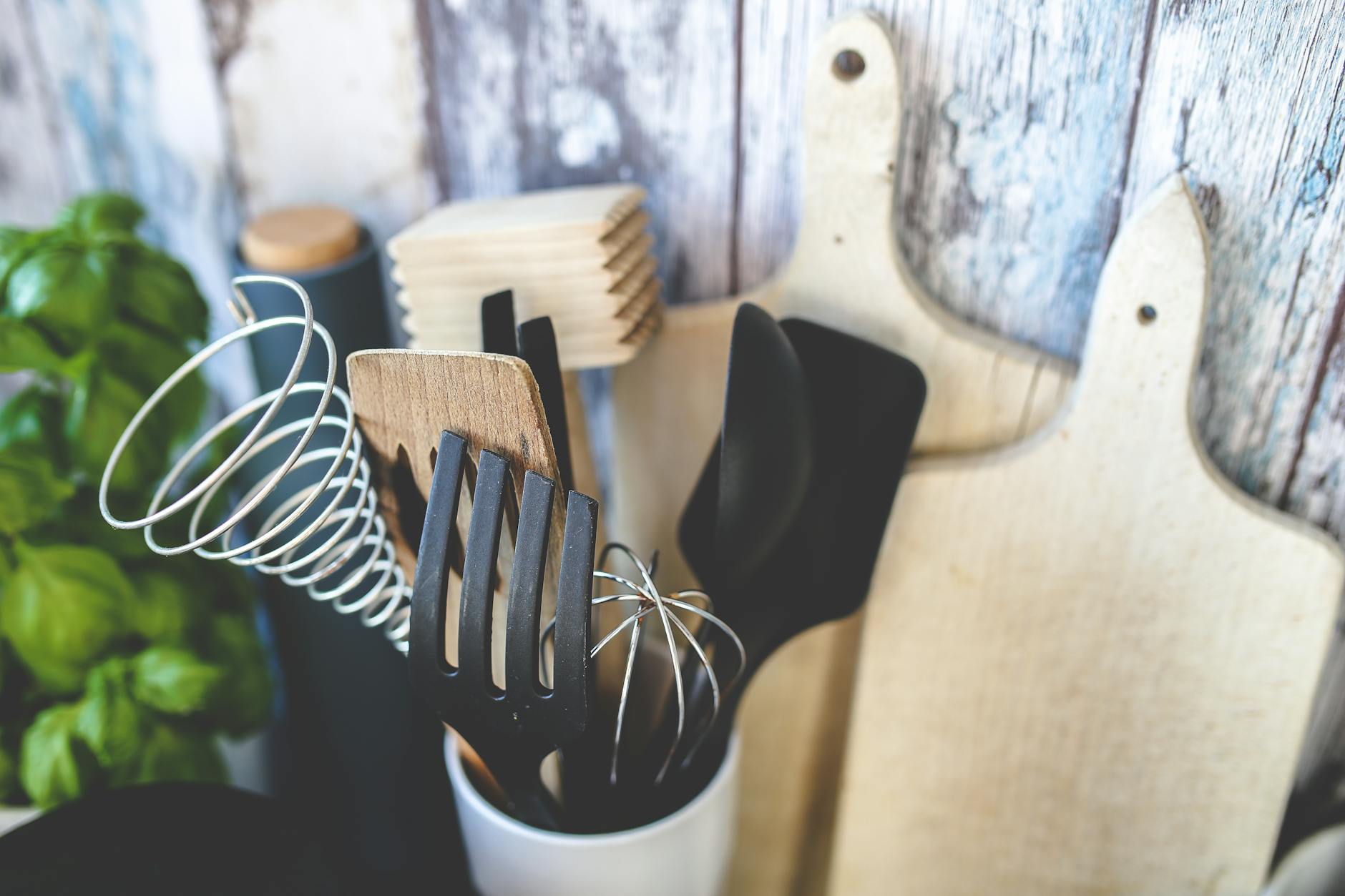
Plastic utensils, cutting boards, and spatulas slowly degrade into small plastic particles, especially when exposed to friction or heat.
Wood, bamboo, and stainless steel tools are only things needed for most kitchen tasks. They offer a safer, longer-lasting alternative to plastic utensils.
11. Limit Ultra-Processed Foods
Ultra-processed foods often come into contact with multiple types of plastics during production and packaging. Animal studies suggest that higher microplastic exposure may disrupt the gut microbiome and increase inflammation.
Despite our best recycling efforts, this material is often not recycled and breaks down in landfills or ocean waters. Especially when exposed to sunlight or heat, products shed microplastic particles that can contaminate food before it reaches the kitchen.
Cooking whole foods at home reduces contact with plastic items and supports better long-term human health.
12. Avoid Plastic Bags for Food Storage
Plastic bags and containers break down quickly and contribute to plastic waste and microplastic pollution. Tiny pieces of plastic can easily transfer into stored food, especially if the food is acidic or hot when stored.
Reusable cloth bags made from natural materials are a better choice for produce, bread, and bulk items. Glass or silicone containers are best for hot food storage.
13. Reduce Exposure From Personal Care Products
Some beauty products and personal care products contain plastic microbeads or synthetic polymers. These contribute to microplastic levels in water sources and eventually the food chain through waste water treatment. Choosing products free from plastic ingredients supports environmental protection agency goals and reduces household plastic use.
14. Be Aware of Sea Salt and Seafood Sources
Sea salt has been shown to contain pieces of microplastic due to widespread ocean pollution. Similarly, seafood can accumulate microplastics through the food chain.
Rotating salt sources and choosing responsibly sourced seafood helps reduce the overall amount of microplastics consumed.
How to Avoid Microplastics: Focus on Progress, Not Perfection
Plastic is all around us so Eliminating all plastic products is a really unrealistic goal. The goal is to reduce plastic use where possible and make informed swaps. Every small change lowers the amount of microplastics entering the human body and the environment.
The good news is that awareness continues to grow, and small choices add up to meaningful protection for environmental health and human health alike.
How to Avoid Microplastics | References
Cox, K. D., Covernton, G. A., Davies, H. L., Dower, J. F., Juanes, F., & Dudas, S. E. (2019). Human consumption of microplastics. Environmental Science & Technology, 53(12), 7068–7074. https://doi.org/10.1021/acs.est.9b01517
Leslie, H. A., van Velzen, M. J. M., Brandsma, S. H., Vethaak, A. D., Garcia-Vallejo, J. J., & Lamoree, M. H. (2022). Discovery and quantification of plastic particle pollution in human blood. Environment International, 163, 107199. https://doi.org/10.1016/j.envint.2022.107199
Ragusa, A., Svelato, A., Santacroce, C., et al. (2021). Plasticenta: First evidence of microplastics in human placenta. Environment International, 146, 106274. https://doi.org/10.1016/j.envint.2020.106274
Vethaak, A. D., & Legler, J. (2021). Microplastics and human health. Science, 371(6530), 672–674. https://doi.org/10.1126/science.abe5041
World Health Organization. (2019). Microplastics in drinking-water. WHO Press.
Discover more from made to sustain
Subscribe to get the latest posts sent to your email.