How Unsustainable Agriculture Practices Impact Our Food

Did you know that 28% of all global greenhouse gas emissions come from our food system? I know – it’s astounding. As if this number wasn’t jaw-dropping enough, it actually impacts the quality of our food. Agriculture is the backbone of our food systems, providing sustenance for billions of people worldwide. Yet, these unsustainable agriculture practices used to produce food have a profound impact on our environment, public health, and long-term food security.
Over the past century, the rise of industrial agriculture has led to unprecedented levels of food production. However, this efficiency has come at a cost—unsustainable agricultural practices have degraded land, depleted natural resources, and contributed to climate change. We’ve talked a bit about how unsustainable living can impact our environmental impact, but what our food system? Understanding these impacts is crucial for shaping a more resilient and sustainable food system.
What Are Unsustainable Agriculture Practices?
Unsustainable farming practices refer to agricultural methods that deplete soil fertility, pollute waterways, and rely on excessive use of fossil fuels. These practices prioritize short-term crop yields over the long-term health of ecosystems.
In North America and across the world, factory farms and large-scale monocultures dominate food production. These practices rely heavily on synthetic fertilizers and pesticides. These approaches not only degrade the environment but also create vulnerabilities in the food supply chain, affecting the quality of life for future generations.
The Role of Industrial Agriculture in Environmental Degradation
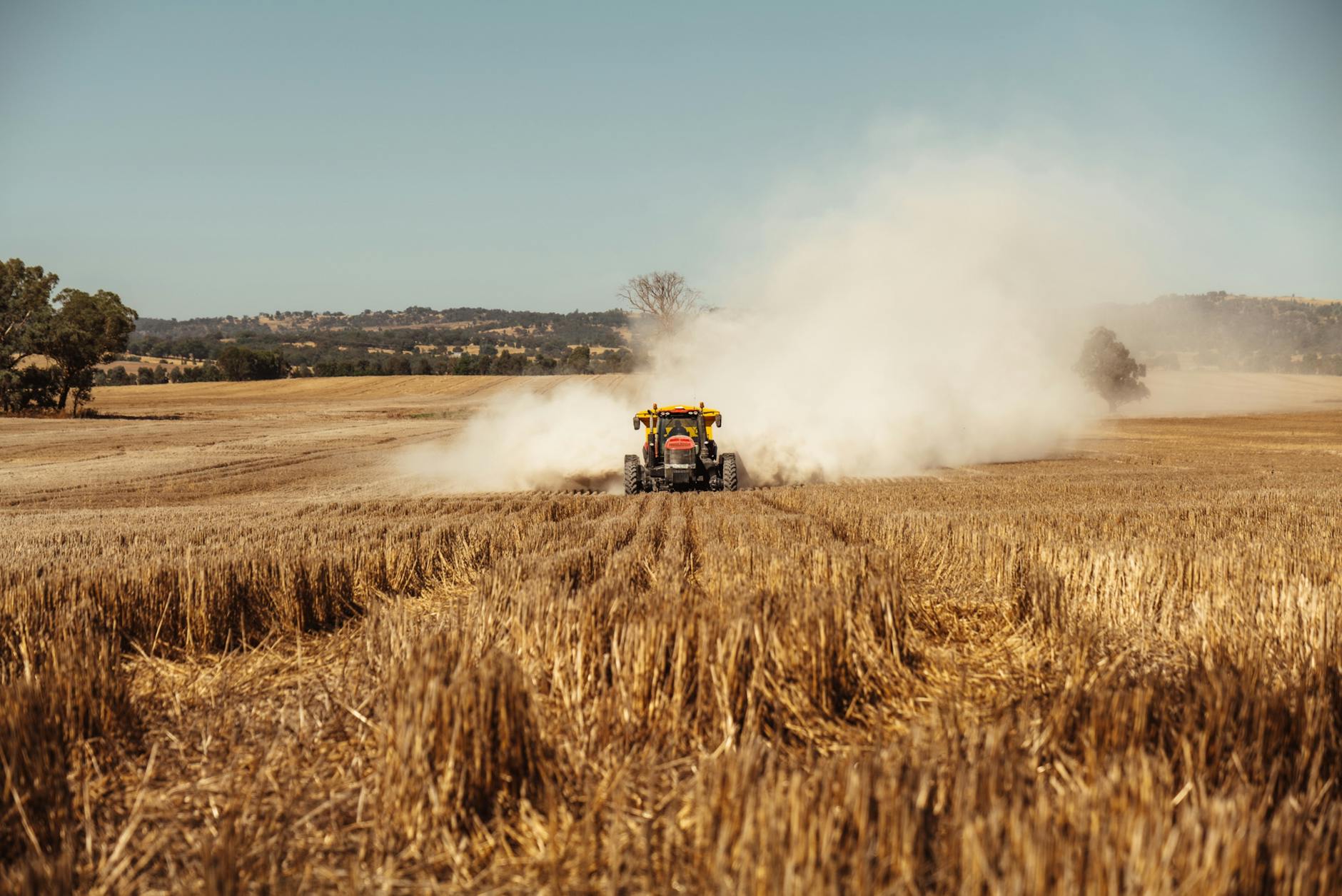
The industrialization of agriculture has intensified environmental degradation. When we talk about industrialization in agriculture, it’s not about the use of machines to make farming easier. It’s about the large scale farming practices or growing the same crops at large scale on the same lands year after year. This requires excess fertilizers and synthetic inputs to ensure farmers get the same yields year after year.
Excessive fertilizer use leads to nutrient runoff. Runoff is a term used to describe how water from one location moves to other locations or large bodies of water like lakes, rivers, and oceans. These contaminants enter waterways and causes large-scale water pollution.
Factory farming produces enormous amounts of animal waste. This contributes to greenhouse gas emissions and public health concerns like poor air quality. There’s a great documentary on this called “The Smell of Money”, which you can find here.
Additionally, the expansion of commercial agriculture results in deforestation. While it’s not as common in the US (most of which has been farmed for 100+ years), deforestation destroys natural habitat and leading to the loss of biodiversity.
The consequences of these unsustainable practices threaten both human health and global ecosystems.

The Main Culprit of Unsustainable Agriculture Practices: Monocropping
Monocropping is the practice of growing the same crop on the same land year after year. It has several negative effects on soil health:
- Depletion of Nutrients: Different crops have varying nutrient needs. When the same crop is planted repeatedly, it depletes specific nutrients from the soil, leading to nutrient imbalances and deficiencies.
- Increased Pest and Disease Pressure: Monocropping creates a favorable environment for pests and diseases that target specific crops. Without crop rotation or diversity, pests can thrive, leading to higher pesticide use and reduced soil biodiversity.
- Soil Erosion: Continuous cultivation of the same crop can lead to soil erosion, as the crop's root structure may not adequately hold soil in place. This erosion can further deplete soil fertility and reduce its ability to hold water.
- Loss of Soil Structure: Diverse crops help maintain soil structure by varying root depths and organic matter inputs. Monocropping reduces organic matter levels and disrupts soil structure, affecting its ability to absorb and retain water.
- Dependency on Chemical Inputs: To compensate for nutrient deficiencies and pest pressures, monocropping often relies heavily on synthetic fertilizers and pesticides. This dependency can further degrade soil health over time.
In contrast, practices like crop rotation, intercropping, and cover cropping help mitigate these issues by enhancing soil biodiversity, nutrient cycling, and overall soil health.
Soil Health and Agricultural Expansion: A Troubled Relationship
Organic Matter and Healthy soils are fundamental to productive agriculture. Yet, industrial farming practices are causing soil degradation at alarming rates. Continuous monoculture depletes organic matter, reduces soil fertility and weakens plant growth.
Soil erosion, driven by poor land management and excessive tilling, strips away vital nutrients. Furthermore, soil compaction—caused by heavy machinery and overgrazing—disrupts the farm ecosystem. This makes it harder for crops to absorb water and nutrients.
Without intervention, agricultural expansion will further accelerate these major problems. This is one of the main reasons the push for regenerative practices has been so strong.

Water Management Failures in Food Production
Water is essential for food production, but poor irrigation management and excessive use of water in agriculture have led to severe consequences. For example, in California, almond farming production is a water intensive process. This leaves California prone to droughts and residents on severe water restrictions while the almond trees continue to flourish.
Water erosion, which is what happens when large amounts of water disperse soil, removes topsoil which reduces land productivity. In the United States and other developed nations, agricultural runoff pollutes rivers and lakes. This harms both aquatic ecosystems and human communities. In poor countries, resource imbalances create food insecurity. As large agribusinesses monopolize water resources, this leaves small farmers struggling to sustain their livelihoods.
If this makes you mad, it should! Support sustainable farms.
Greenhouse Gas Emissions and Climate Change
Agriculture is one of the largest contributors to climate change due to excessive greenhouse gas emissions.
Factory farms and large-scale livestock production generate vast amounts of methane, a potent GHG. In fact, around 70% of our crops produces goes towards feeding animals. Excessive meat consumption, particularly in North America, fuels the expansion of industrial farming, exacerbating environmental health issues.
Adopting sustainable food choices, such as plant-forward diets, climate friendly diets, and purchasing crops grown with regenerative farming techniques, could help mitigate these impacts and reduce our reliance on fossil fuels. Consumer demand is a super powerful tool. And the more educated you are on the topic, the more you can move the needle away from unsustainable agriculture practices.

Food Security and the Global Supply Chain Crisis
Unsustainable agricultural practices have also placed food security at risk. The increasing demand for food, coupled with climate change, threatens global food systems. Agricultural production is often focused on export crops rather than feeding local populations. This leads to economic inequities and supply chain disruptions. The current system prioritizes profit over food security. This creates vulnerabilities that affect both developed and developing nations. Without significant changes, food prices will continue to rise, further exacerbating global hunger.
Economic Equity in Agriculture
Tax policies and trade relations shape the agricultural sector, often benefiting large industry groups at the expense of small-scale farmers. Commercial agriculture, driven by global market forces, has led to rural development stagnation in many regions. To promote economic equity, policies must support sustainable farming methods that prioritize soil health, environmental protection, and fair wages. The sustainable development goals set by the United Nations emphasize the need to boost incomes while ensuring long-term agricultural sustainability.
What you can Do about Unsustainable Agriculture Practices
Consumer demand plays a crucial role in shaping sustainable agriculture practices. When consumers prioritize sustainability, they create market pressure that encourages farmers and food companies to adopt eco-friendly methods. Here’s how:

Demand for Organic & Regenerative Products – As more consumers seek organic, regenerative, and sustainably grown food, farmers are incentivized to shift away from synthetic fertilizers and monocropping in favor of soil-friendly techniques like crop rotation and cover cropping.
Support for Local & Seasonal Produce – Choosing local and seasonal foods reduces the need for long-distance transportation, which lowers carbon emissions. It also encourages diverse crop rotations and strengthens regional food systems.
Preference for Ethical & Transparent Supply Chains – Consumers increasingly demand transparency in sourcing. Certifications like Fair Trade, Rainforest Alliance, and Regenerative Organic Certification push farms toward more sustainable and ethical labor and land-use practices.
Reduced Demand for Resource-Intensive Foods – High demand for plant-based or alternative proteins can drive a shift away from resource-intensive livestock farming, reducing deforestation, water use, and greenhouse gas emissions.
Push for Policy & Corporate Change – When consumers advocate for sustainability, governments and corporations respond with incentives for farmers to adopt eco-friendly practices, such as carbon sequestration programs, soil regeneration initiatives, and reduced pesticide reliance.
By making conscious choices, consumers can help shape a food system that prioritizes soil health, biodiversity, and climate resilience.
The Future of Food Systems: Moving Toward Sustainability
The transition to sustainable food systems requires a shift away from unsustainable agricultural practices. Regenerative farming techniques, such as crop rotation and the use of cover crops, help restore soil fertility and combat land degradation. Policies that support soil conservation and responsible water management are essential to reversing environmental degradation. Organizations like the United Nations Environment Programme and the Agriculture Organization of the United Nations advocate for policies that promote long-term sustainability over short-term profits.
You can make an Impact on Unsustainable Agriculture Practices
The current trajectory of industrial agriculture is unsustainable. Policy failure has led to environmental degradation, food insecurity, and the depletion of essential resources. Consumers, policymakers, and industry leaders must work together to implement sustainable food practices that prioritize long-term environmental health. Reducing food waste, supporting local farmers, and advocating for responsible water management are critical steps toward a more resilient food system. Only through decisive action can we protect food security, maintain soil health, and ensure a better future for generations to come.
Discover more from made to sustain
Subscribe to get the latest posts sent to your email.