The Best and Worst Plant Based Diet Documentaries [2024]

Over the years, plenty of plant based diet documentaries have come out across streaming platforms. Some good ones really explain the benefits of a vegan diet and its impact on chronic diseases, and some discuss the impacts of animal agriculture on climate change. While some other documentaries are just nonsensical.
Documentaries can be a powerful tool for helping you understand plant-based lifestyles and starting to understand how your plate has an impact, but some are better than others. Some are based in fact and presented in a nonbiased way, whereas others are very biased and filled with personal stories and accounts. While the message of the documentary might be well-intentioned, this post will help you sort out which ones are worth your time. Save yourself from the hours of streaming that I did, and take a look at this list of the best vegan documentaries and worst plant based diet documentaries. If you're interested in learning more about food's environmental impact, make sure you check out our list of books to start learning about climate change.
Overarching Messages From These Plant Based Diet Documentaries
Many of these documentaries are issuing a similar message just in a different way. Here's a quick summary of the benefits of a plant based diet.
A vegan diet, centered on whole, plant-based foods like fruits, vegetables, legumes, whole grains, and nuts, offers a surprising range of benefits. Studies like the China Study suggest the health benefits of a plant-based diet can include weight management, lower blood pressure, and reduced risk of heart disease and type 2 diabetes. Vegan meals are often rich in fiber, vitamins, and antioxidants, promoting overall well-being. Despite what critics say, you can achieve all of your dietary needs through plant-based nutrition.
Beyond personal health, veganism has a significant positive impact on animal agriculture and the environment. Modern day livestock cultivation is inhumane, cruel, and dangerous to it's workers and neighboring communities. Factory farms, which raise a vast majority of our meat and dairy, contribute heavily to greenhouse gas emissions, deforestation, and water pollution. By choosing vegan, you reduce your reliance on this system, lessening its environmental footprint.
What they don't tell you is that going vegan or going plant based is a huge lifestyle change that takes an extraordinary amount of commitment. By simply opting for plant based foods, you won't have an optimal diet. There are a lot of nutrition experts in these documentaries who offer valuable advice if you decide to make the transition to a plant-based lifestyle. Always speak to your doctor or health care provider for advice on if this diet is right for you.
Now grab some popcorn, settle in, and get ready to be inspired by some of these plant-powered documentaries!
Best Plant Based Diet Documentaries
Forks over Knives
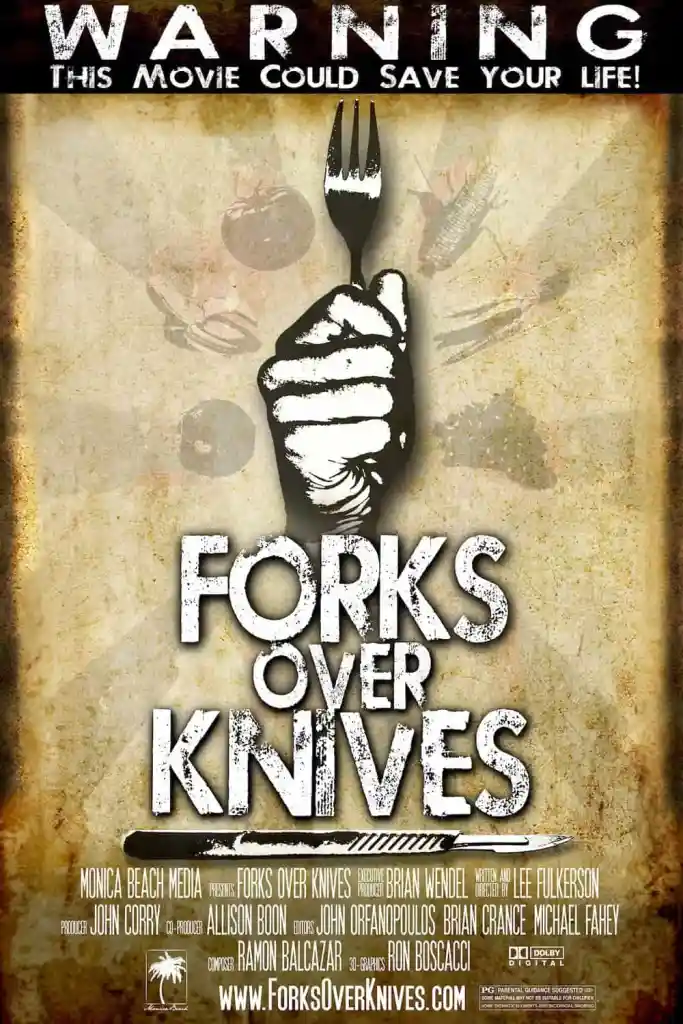
Based on the book, Knives Over Forks examines the health benefits of whole-food, plant-based diets. It features experts and success stories from individuals who transformed their health by adopting this lifestyle. It encourages a mostly plant based lifestyle based through a whole food plant-based diet.
The major storyline traces the personal journeys of Dr. T. Colin Campbell, a nutritional biochemist from Cornell University, and Dr. Caldwell Esselstyn, a former top surgeon at the world-renowned Cleveland Clinic. Forks over Knives has become an established brand, offering cooking classes, cookbooks, and resources. You can watch the documentary for free on their website, which is linked below.
Where to watch (Free):
Game Changers
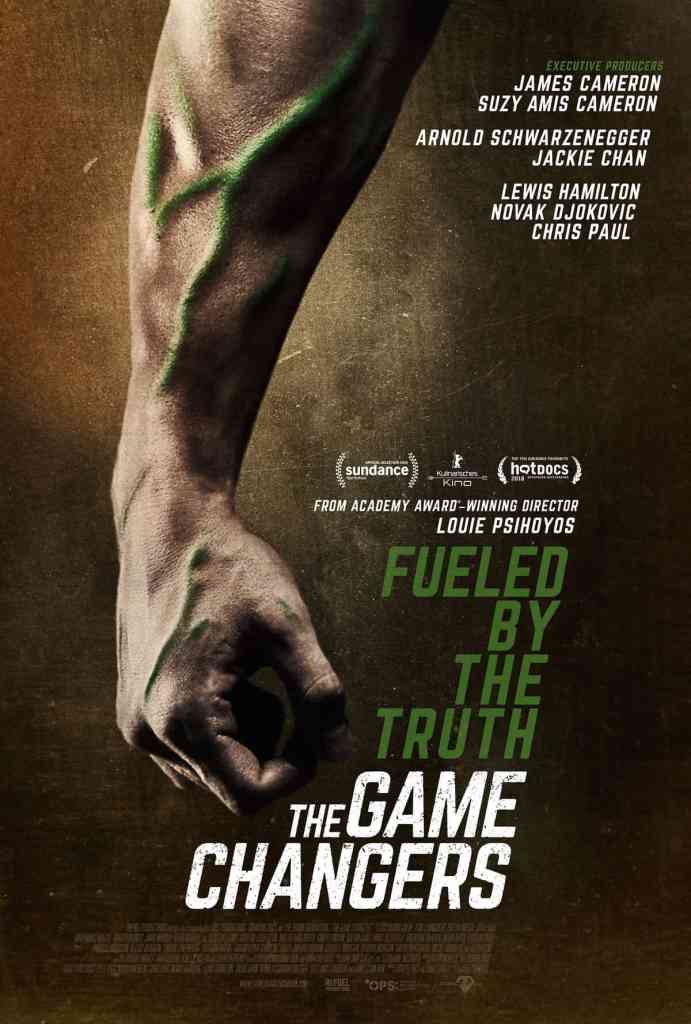
Released in 2018, this documentary challenges conventional notions about protein sources and athletic performance. It features elite athletes who follow plant-based diets and showcases the positive impact on their physical performance and overall health. The film was produced by James Cameron and other cultural icons and athletes like Arnold Schwarzenegger, Novak Djokovic, Lewis Hamilton, and Jackie Chan.
Where to watch:
Cowspiracy
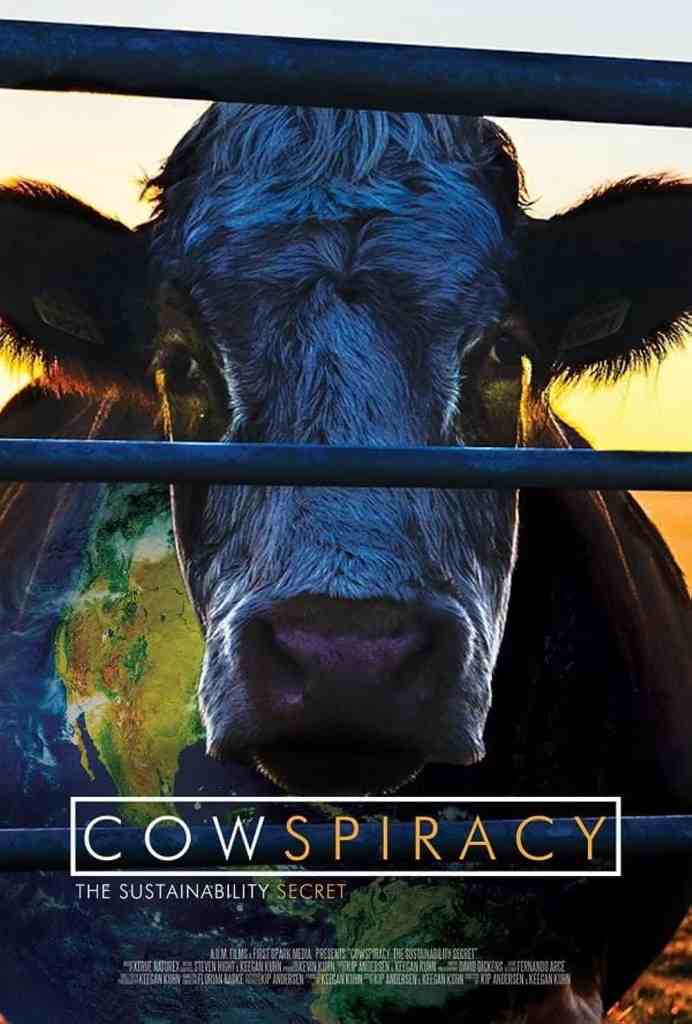
Cowspiracy was the documentary that convinced me to stop eating red meat ten years ago. Released in 2014, Cowspiracy explores the environmental impact of animal agriculture. It reveals how livestock farming contributes to deforestation, greenhouse gas emissions, and water pollution. Prepare to be enlightened and motivated to make sustainable choices. It examines the meat industry, focusing on animal rights and factory farming, and assesses why the problems have been ignored.
Where to watch:
David Attenborough: A Life On Our Planet
Although not exclusively vegan, this 2020 documentary, A Life On Our Planet by the legendary naturalist David Attenborough, emphasizes the urgent need for environmental conservation. It highlights the interconnectedness of all life forms and the importance of sustainable living. It ties in the implications of animal agriculture on our ecosystems. If you're considering a plant based diet for environmental reasons, this is a great documentary.
Where to watch:
Food Inc
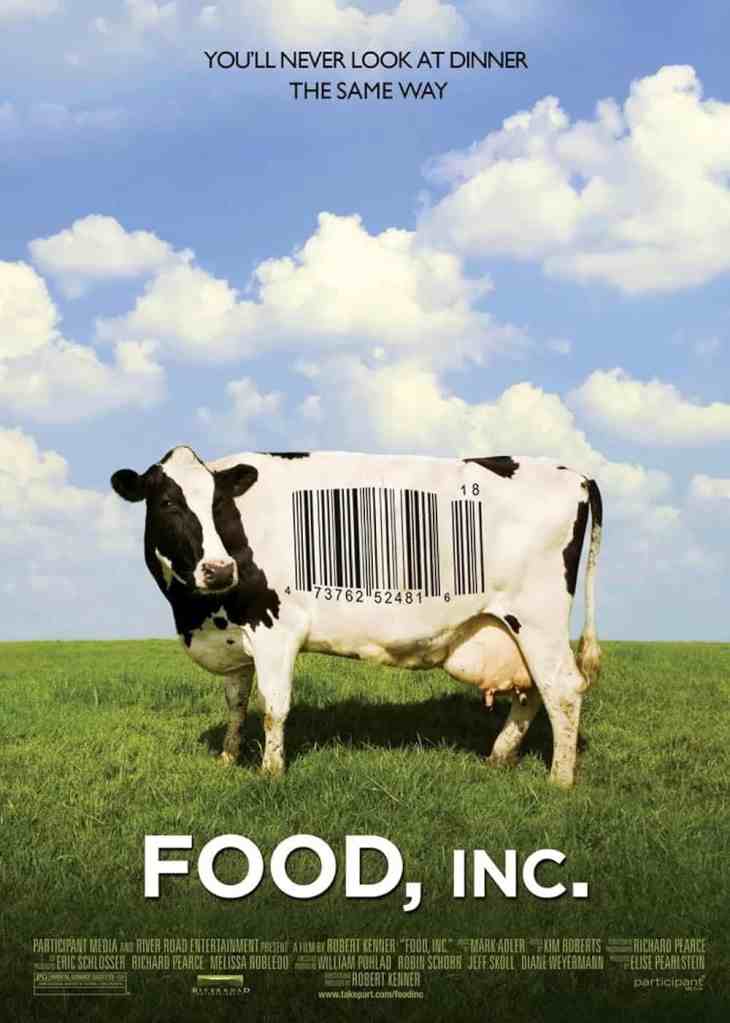
Released in 2008, “Food Inc.” exposes the dark side of industrial agriculture and the industrial food complex in the United States. Food Inc exposes the dominance of large corporations controlling everything from farms to supermarkets. The documentary raises concerns about the health and environmental consequences of these practices, along with the often-harsh treatment of animals and workers within the system. As someone who works in the food industry, this film is eye opening to those who are not aware of the corporate giants that compose the food industry.
Where to watch for Free
The Smell of Money

“The Smell of Money” which made its debut in the DC Environmental Film Festival in 2022, exposes the environmental racism faced by communities living near industrial pig farms in North Carolina. It explores the fight of a lower-income neighboring community against a powerful pork corporation, emphasizing some of the locals' health conditions, like asthma and other breathing problems. The film's title cleverly connects the unpleasant odor of pig manure with the economic forces driving environmental degradation. The film powerfully advocates for stricter regulations and the environmental consequences of large-scale animal agriculture.
Where to watch
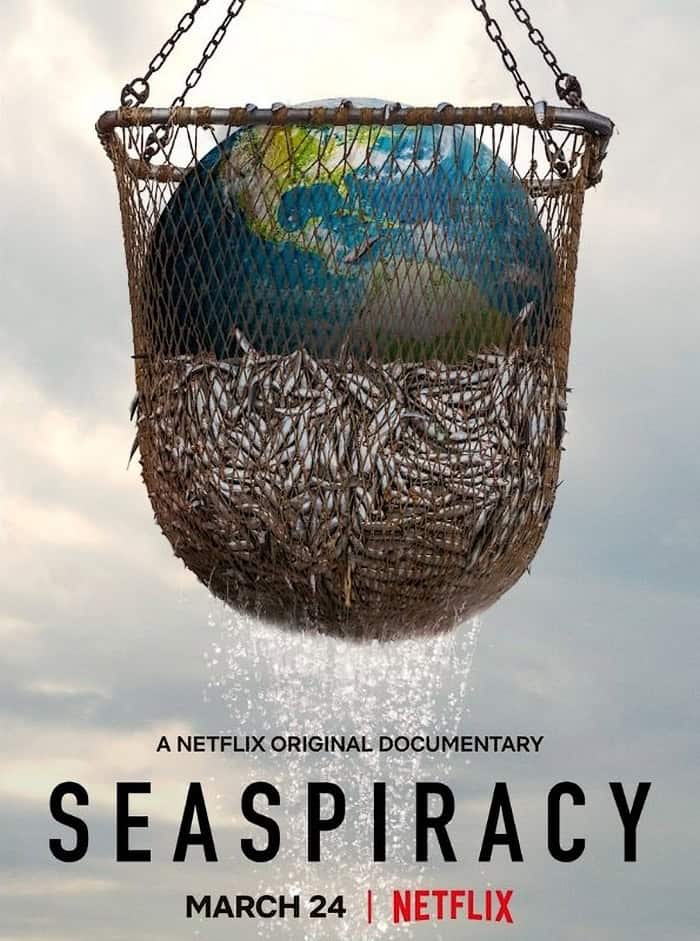
Seaspiracy
A more recent addition (2021), Seaspiracy investigates the fishing industry’s impact on marine ecosystems. Seaspiracy dives deep into the dark side of the commercial fishing industry, exposing its environmental impact and ethical concerns. It uncovers shocking truths about overfishing, bycatch, and the consequences for our oceans. The film presents a powerful indictment of big fishing companies, but some critics argue it paints an overly bleak picture and doesn't fully explore potential solutions. Despite this bias, Seaspiracy is a thought-provoking documentary that will make you reconsider your seafood consumption.
Where to watch
Fed Up [2014]
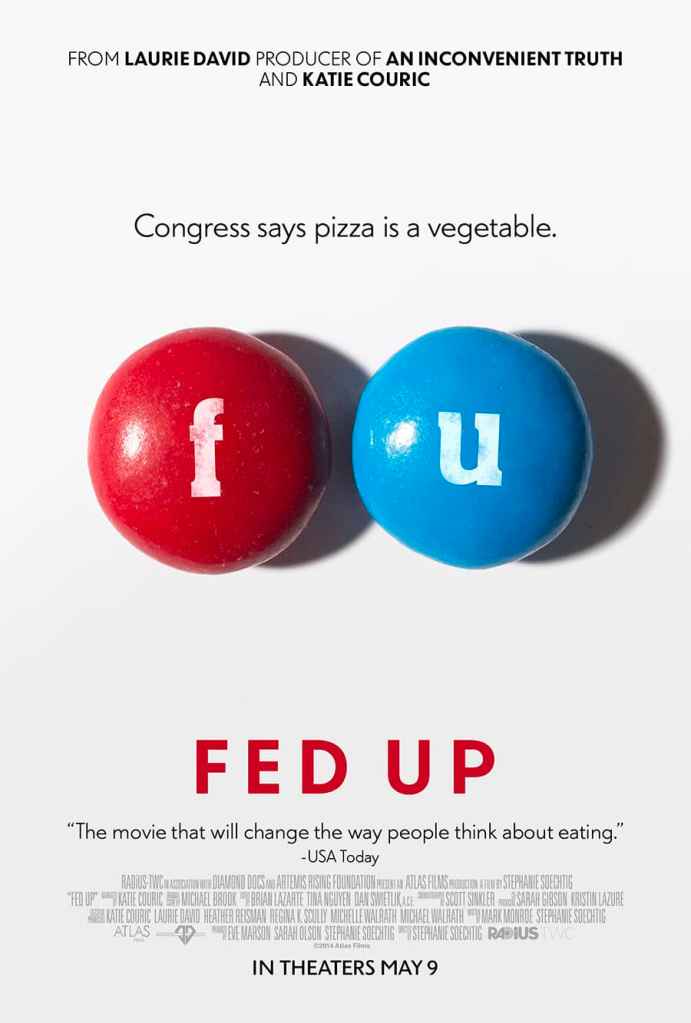
While Fed Up isn't necessarily a plant based documentary, it challenges the standard American diet, nutrition education, and exercise programs in the United States over the past 30 years. “Fed Up” is more of a health documentary that exposes the shocking truth behind America's processed food industry, linking it to obesity and health problems. This documentary was produced by Katie Couric, who is a well-known journalist.
Where to watch:
Rent on Amazon
Worst Plant Based Diet Documentary Shortlist
These plant-based diet documentaries didn't make the cut for a number of reasons. Mostly because they weren't rooted in facts, substantiated by data, or were simply too one-sided.
What the Health (2017)

The 2017 film, “What the Health” is a plant based diet documentary that investigates the links between diet and health. What the Health challenges conventional dietary advice and advocates for plant-based eating.
What puts this on the worst list is that “What the Health” promotes a plant-based diet as the cure-all for a variety of chronic diseases, presenting dramatic personal anecdotes alongside interviews with some health professionals. While it raises interesting questions about the food industry and the potential of plant-based eating, the film has been criticized for cherry-picking data and oversimplifying complex scientific issues.
Where to watch:
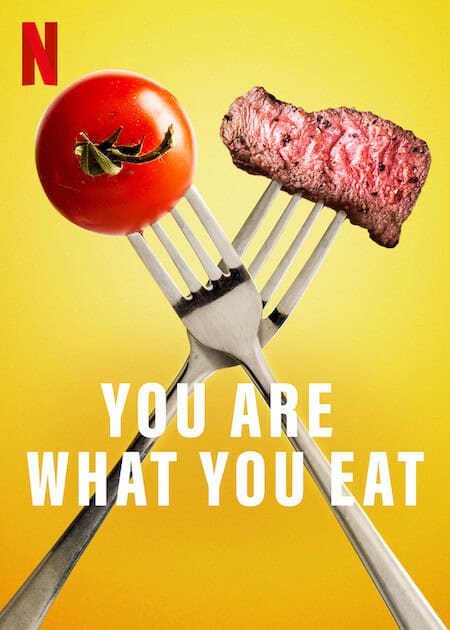
You Are What You Eat: A Twin Experiment
A newer film, “You Are What You Eat: A Twin Experiment” came out in 2024. It explores the impact of diet through identical twins switching to vegan and omnivore diets. As a twin, this documentary intrigued and resonated with me. It's different than other plant based documentaries because it takes a comprehensive view of the role of genetics and lifestyles in nutrition. It did demonstrate some positive effects in the space of inflammation for the twins who ate a plant-based diet.
However, the documentary has been criticized for its bias towards veganism, focusing primarily on its benefits and neglecting a more balanced view of both dietary approaches. While the concept was interesting, many of the subjects in the documentary admitted they did not stick to the diet.
Where to watch:
Vegucated
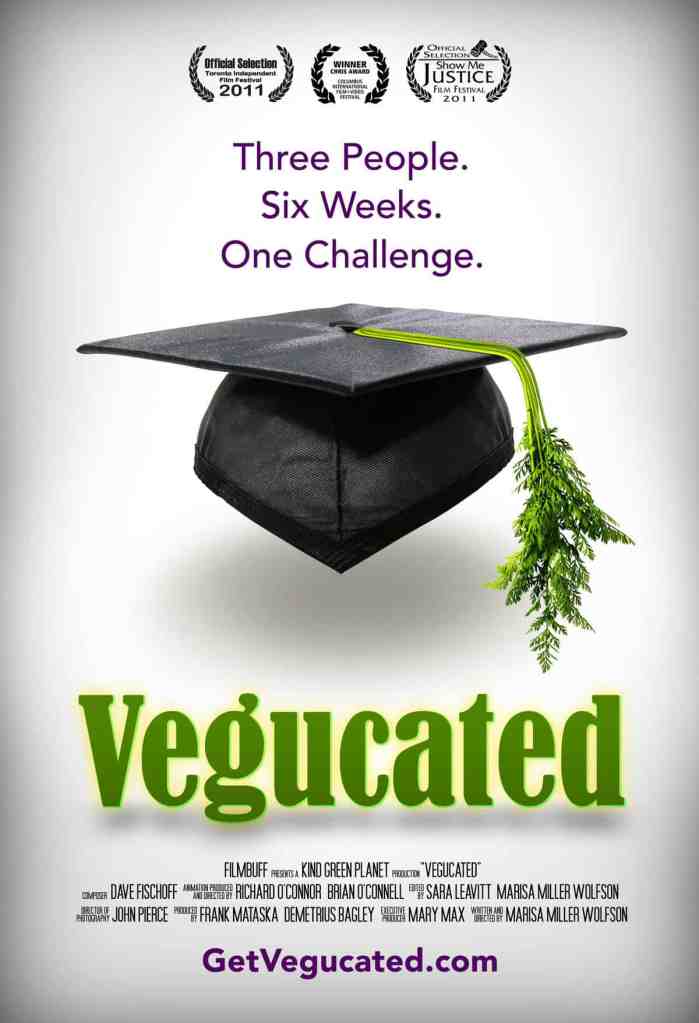
This 2011 documentary follows three meat-loving New Yorkers as they embark on a six-week vegan challenge. Their experiences and discoveries shed light on the ethical, environmental, and health aspects of veganism. While Vegucated explores the ethical and health benefits of veganism, with graphic footage highlighting the plight of animals in factory farms. However, critics argue the film prioritizes emotional impact over a balanced view, potentially alienating viewers open to exploring plant-based options.
Where to watch
Fat Sick & Nearly Dead
Released in 2010, Fat, Sick, and Nearly Dead chronicles Joe Cross's life as a truck driver living with cardiovascular disease and chronic illnesses. Cross chronicles his juice-fast journey to reverse his health problems. While inspiring with its message of dietary change, the film focuses solely on juicing as a cure, neglecting the importance of a balanced diet and potentially downplaying the role of medication for certain conditions.
Where to Watch:

Endgame 2050
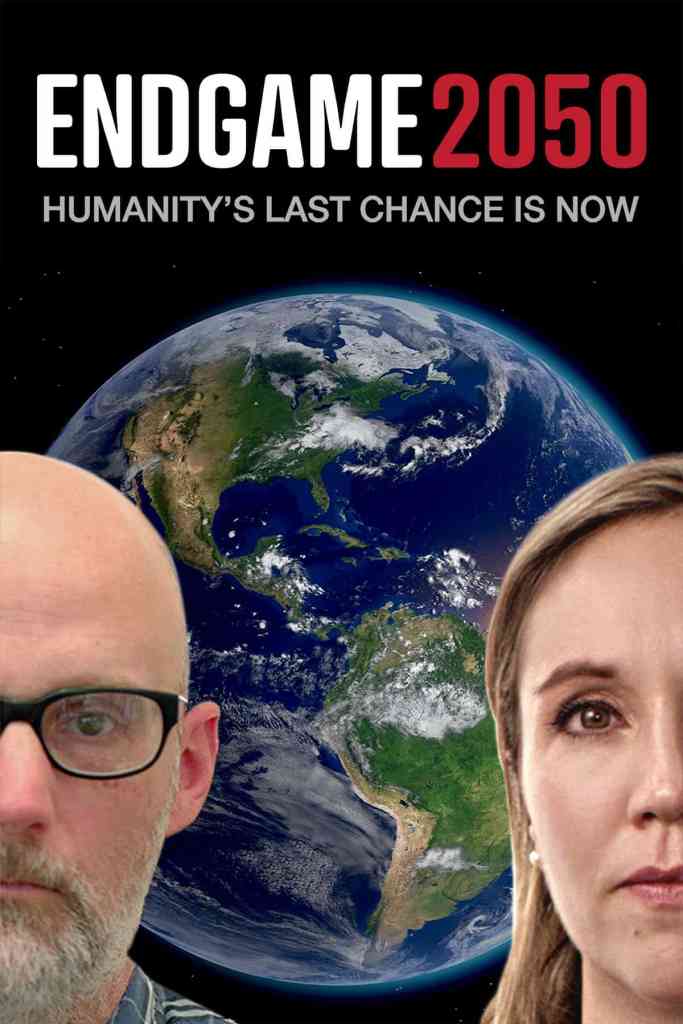
Endgame 2050 warns of a bleak future by 2050 if we don't address environmental issues now. The documentary features scientists explaining the dangers of climate change, resource depletion, and mass extinction. Despite the grim outlook, the film offers a message of hope, urging viewers to take immediate action. This feature-length documentary was informative, but it was very biased.
Endgame 2050 paints a stark picture of environmental collapse by 2050, blaming human actions. While the film presents a compelling urgency to address climate change, it does so with a strong bias toward the most dire predictions. This may leave viewers feeling overwhelmed rather than empowered.
Where to Watch
Eating You Alive

This 2018 documentary delves into the impact of plant-based diets on health and well-being. “Eating You Alive” sheds light on the benefits of adopting a vegan lifestyle and features compelling stories from individuals who transformed their health through plant-based eating. Also produced by James Cameron, this documentary was very anecdotal, whereas some of the newer films are less biased. The film might oversimplify the science of nutrition and downplay the potential challenges of adopting a strict plant-based lifestyle.
Where to watch:
Which Plant Based Diet Documentary Will You Watch?
Remember, these documentaries not only educate but also inspire positive change. The bottom line is that whole foods are better for you, and animal products can negatively impact the environment and your health, depending on where they are sourced. Whether you’re curious about plant-based lifestyles or you are already committed to the lifestyle, these films offer valuable insights and encourage a more compassionate and sustainable way of living. Happy watching! 🌱🎥
Discover more from made to sustain
Subscribe to get the latest posts sent to your email.