Seasonal Produce Guide: Fruits and Vegetables by Seasonality

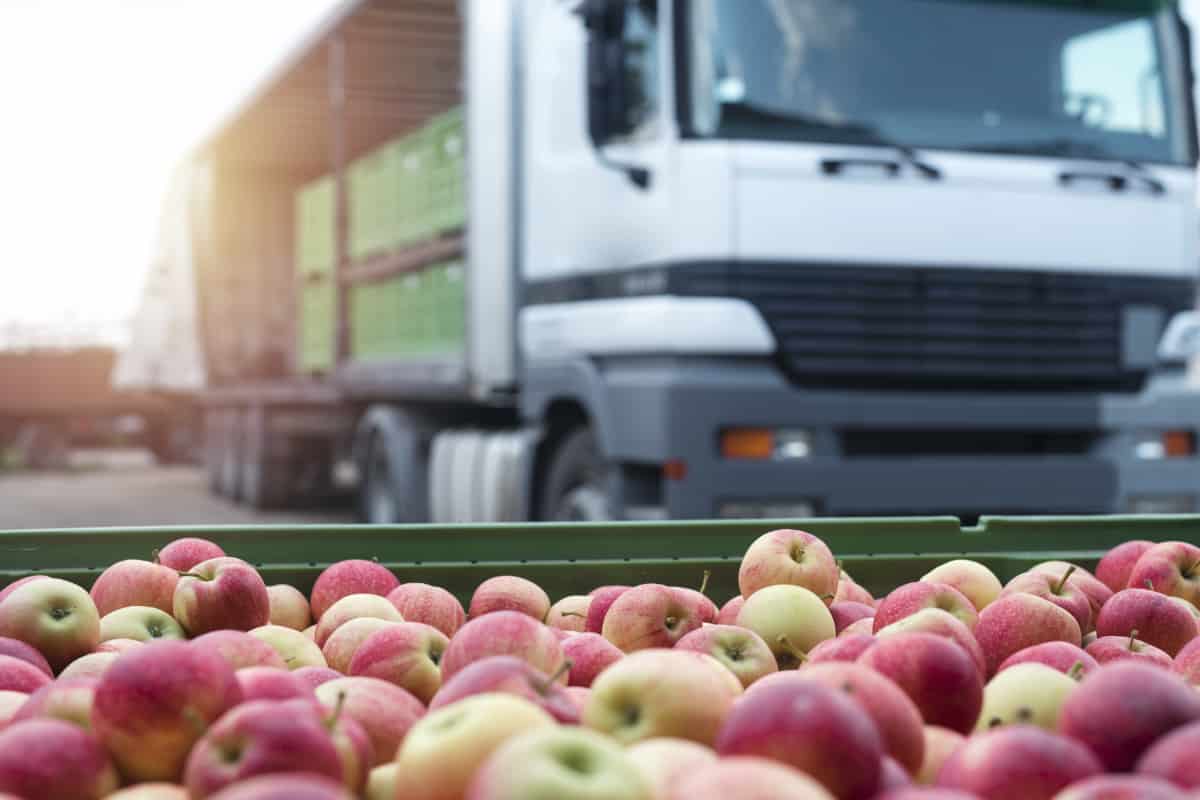
Walk into any grocery store, and you'll see more produce variety than you would have seen twenty years ago. Modern food supply chains deceive us into believing that our favorite produce is available all year round. But the truth is, these fruits and vegetables are delivered worldwide to meet the consumer demand for year-round fresh produce. But there are many benefits to eating in-season produce, which is why we're sharing our seasonal produce guide.
Knowing when is the right time to purchase certain produce can always be a challenge if you don't know where to start. For example, spring fruits vary from the produce in early summer even though they may both be available in your grocery store. Finding the right time of the year shouldn't be difficult. We're sharing some tips on how to find a good time for fresh produce and sharing our printable handy guide available for purchase.
Seasonal Produce Guide: Fruits and Vegetables by Seasonality
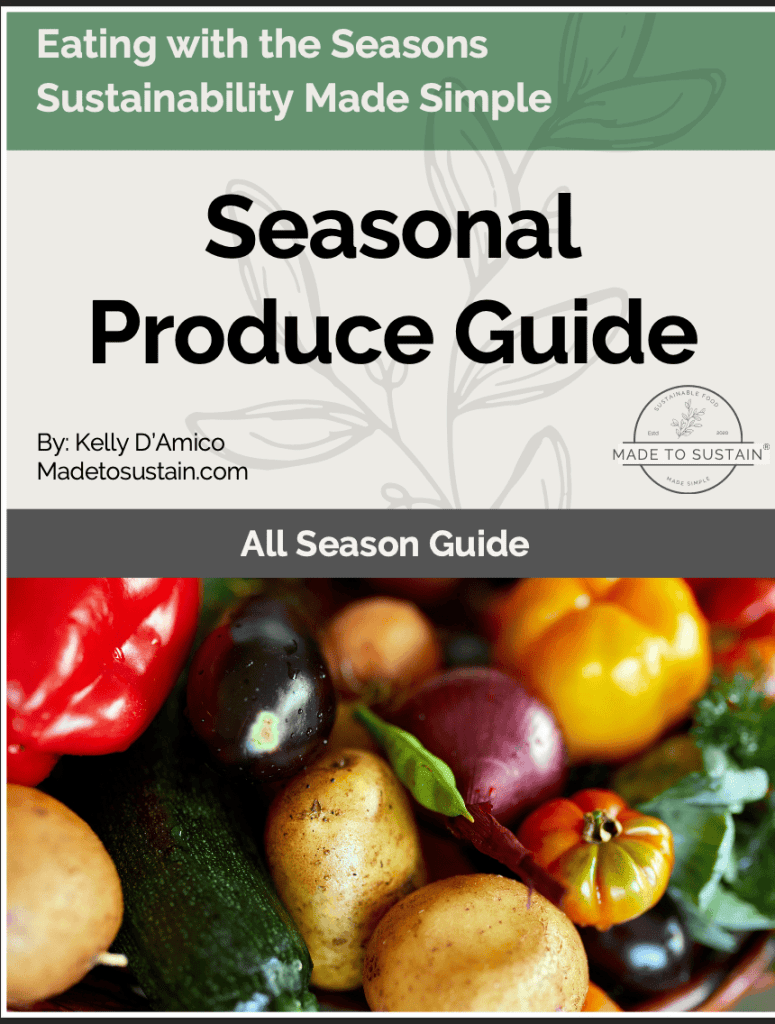
Seasonal Produce Guide
The solution to eating in season is this sustainable produce guide. Walk into any grocery store, and you'll see more produce variety than you would have seen twenty years ago. Modern food supply chains deceive us into believing that our favorite produce is available all year round. But the truth is, these fruits and vegetables are delivered from all over the world to meet the consumer demand for year-round fresh produce. But there are many benefits to eating in-season produce, which is why we're sharing our seasonal produce guide.
Knowing when is the right time to purchase certain produce can always be a challenge if you don't know where to start. For example, spring fruits vary from the produce in early summer, even though they may both be available in your grocery store. Finding the right time of the year shouldn't be difficult. Yet, one of the most rewarding ways to connect with the earth and nourish your body is through seasonal eating. As a sustainable food blogger, I'm passionate about guiding you on a journey that not only benefits your health but also supports local farmers and reduces your environmental impact. We're sharing some tips on how to find a good time for fresh produce and sharing our printable handy guide available for purchase.
Benefits of Eating with the Seasons: Why You Need a Seasonal Produce Guide
The obvious reason for seasonal eating that produce is grown and harvested during certain times of the year. But there might be more benefits to eating with the seasons than you think.
Better Flavor
When fruits and vegetables are ripe for the picking, they're at their peak of flavor. Whether it's juicy summer berries, crisp fall apples, or vibrant spring greens, seasonal foods taste fresher. A great example is an August tomato is juicier and has more pronounced flavor than one grown in the off-season. Seasonal produce hasn't traveled long distances or been picked unripe, so the natural taste shines through. Produce that is at the peak of its flavor and nutritional value.
Better Nutrition
Did you know that fruits and vegetables begin to lose nutrients as soon as they're harvested? Shopping at your weekly market means the food was likely harvested that morning (or the day before). It also traveled less distance to get to you, which means less time to lose nutrients.
Fresh produce also contains remnants of soil that harbor good bacteria, which according to this 2019 article, supports better gut health. By eating seasonally, you're maximizing your intake of essential vitamins, minerals, and antioxidants.
Budget-Friendly Produce
When fruits and vegetables are in season, they're often more affordable. In-season ingredients from local farmers are often lower in price because when there’s an abundance of that crop. Thanks to supply and demand, prices go down.
Don’t settle for overpriced imports on lower quality food. Seasonal produce offers wallet-friendly, nutrient-packed ingredients that support your health and your budget.
Support Local
Seasonal eating often goes hand-in-hand with buying local, which supports local economies. When you shop local, you contribute to local businesses and help keep your dollars in the community where you live.
Some great ways you can support local are shopping at farmers markets or joining a Community Supported Agriculture (CSA) programs. These connect you with the people who grow your food. You can learn more about ths in our guide to sustainable eating.
Reduce Food Miles
Eating locally can actually reduce your carbon footprint of your food by up to 7 percent. A 1994 study introduced the concept of “food miles”—the distance food travels before being consumed. Distance is just one factor when it comes to a food’s carbon footprint: Storing food consumes electricity, and growing ingredients in non-native climates can use up more fertilizer, which produces CO2 gasses.
Think about the carbon footprint of a supermarket strawberry in December. By choosing seasonal produce, you support local farmers and reduce the environmental impact of long-distance food transportation. Less energy is used for refrigeration and greenhouses, making seasonal eating a win for you and the planet.
Your Seasonal Produce Guide
Knowing when is the right time to purchase certain produce can always be a challenge if you don’t know where to start. Finding the right produce at the right time of the year shouldn’t be difficult. Yet, one of the most rewarding ways to connect with the earth and nourish your body is through seasonal eating. To empower you on your seasonal eating journey, you'll need a seasonal food guide. It splits up each season into a different page for one easy to use guide.
Here's the high level view of what you can find in the seasonal produce guide.
Spring Seasonal Produce:
- Leafy Greens like Collard Greens
- Citrus Fruit
- Collar Greens
- Fava Beans
- Nectarines
Winter Seasonal Produce:
- Squash
- Cranberries
- Avocados
- Brussels Sprouts
- Cabbage
Summer Seasonal Produce:
- Fresh Fruit like Berries, Plums and watermelon
- Bell Peppers
- Mushrooms
- Cucumbers
- Green Beans
- Lima Beans
- Tomatoes
Fall Seasonal Produce:
- Sweet Potatoes
- Apples
- Carrots
- Beets
- Potatoes
Tips for Eating With the Seasons
Embrace seasonal eating with these simple tips.
- Start Local. Spend some time researching what local foods are available to you. everything from pick-your-own produce at local farms, CSA programs, and or even a weekly farmers’ market is a great place to start. Plus it's a great way to support your local economy.
- Leverage The Made to Sustain Blog. After you identify local options, make sure you follow along for great recipes on how to use seasonal ingredients and sup
- Upgrade your reusable storage. When you come home with your goods, store your fruits and vegetables in reusable storage bags and containers to keep them fresh for as long as possible. Check out our article on the best eco-friendly, non-toxic food storage containers for tips.
What to do if something is not in season:
While you really do get the best flavor from fresh seasonal produce, there are ways you can get around this if your favorite fruit or vegetable isn't available. Luckily, people have figured out ways to preserve fresh produce.
You can always buy canned or frozen fruits and vegetables. They are picked at peak season and then processed to preserve them. It's a great substitue to enjoy fruits and vegetables year-round.
Join the Seasonal Movement
The best ways to eat in season year-round is to know what foods are in season. By opting for seasonal produce, you're not just nourishing yourself—you're supporting a more sustainable food system that honors nature's ebbs and flows.
If you're ready to start eating with the seasons, be sure to purchase your Seasonal Produce Guide today and unlock the flavors of each season while making a positive impact on your health and the planet. Happy eating!
Discover more from made to sustain
Subscribe to get the latest posts sent to your email.