
Spring Seasonal Foods You Should Be Eating Now | Free Chart

Spring, in particular, feels like a reset. After months of hearty winter vegetables, the new crop of fresh produce arrives with brightness, color, and vitality. Spring Seasonal foods are a great way to reintroduce lighter, more vibrant foods into your routine. Learn which spring seasonal foods are in season to get started.
Seasonal eating is a return to rhythm. A quieter, more intuitive way of nourishing yourself that aligns with the biological cycles of the earth. Instead of relying on produce that travels long distances, seasonal eating embraces what’s thriving right now.
Why Choose Seasonal Produce
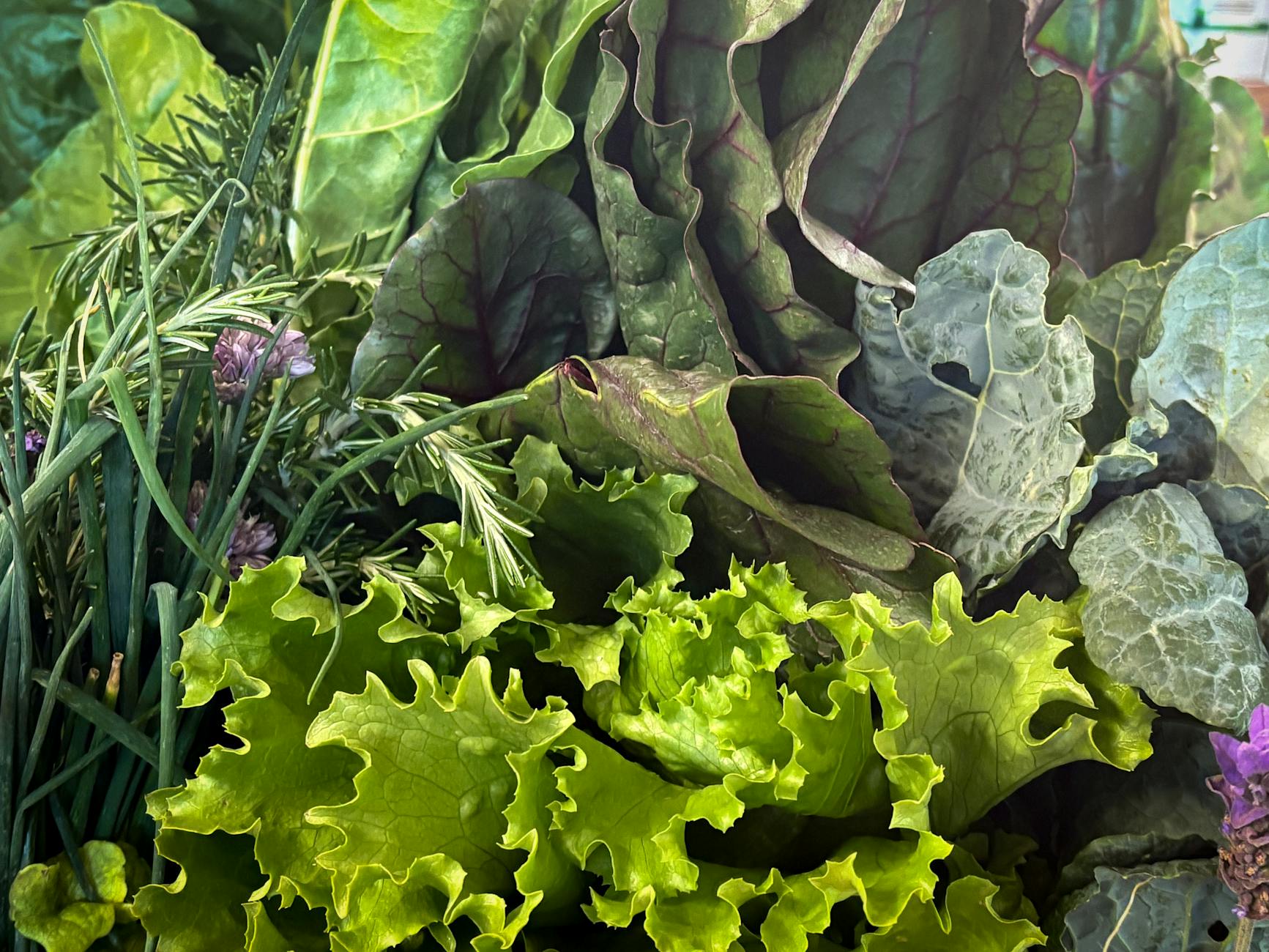
Our globalized food system has made it easy to forget that certain foods, like fresh strawberries and sweet corn, are only available during certain times of the year.
Choosing seasonal fruits and vegetables isn’t just about flavor, but about nutrition and sustainability. The best flavors certainly come from produce harvested at peak season. It also contributes to eating more locally with reduced food miles. Reducing reliance on food transported across long distances lowers environmental impact.
Spring produce harvested at peak freshness contains higher concentrations of vitamin C, vitamin K, and dietary fiber. These nutrients support everything from immune health to digestion.
Understanding the Seasonal Produce Guide
A seasonal produce guide is your roadmap to eating more sustainably and smarter shopping. It highlights in-season produce across times of the year, helping you make informed decisions at your local grocery store or farmer’s market. It’s a great addition to your grocery list.
Here's a link to our seasonal food guide. It's fact-checked by federal government websites, so you can truly understand what’s actually in season.
Best selling products

Spring Produce: What’s in Season
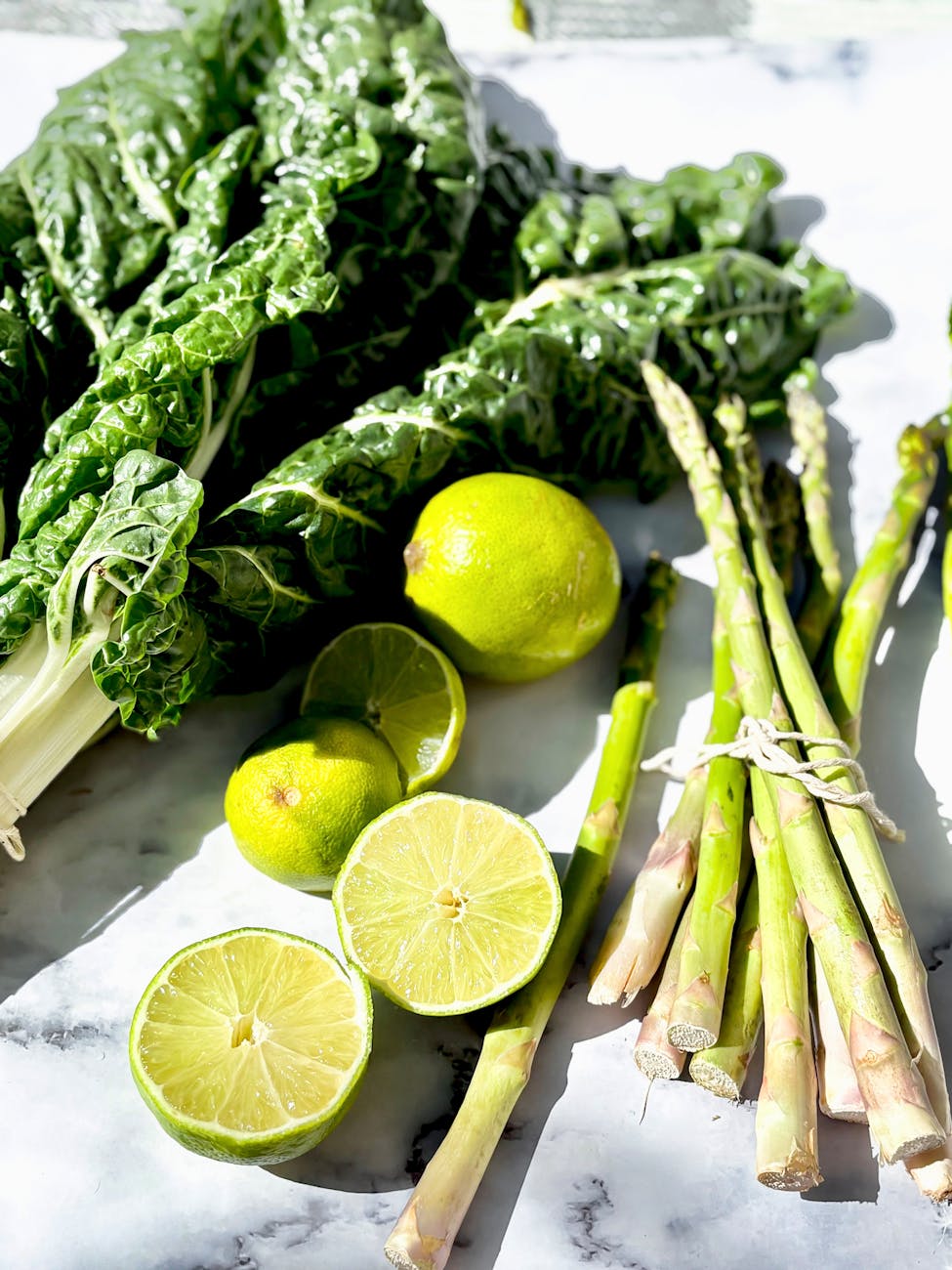
Spring produce varies depending on geography, but there are common threads. Early spring brings tender greens and citrus fruit, while late spring introduces a wider variety of fruits and vegetables.
From midwest spring vegetables to coastal harvests, understanding regional produce ensures you’re buying food at peak freshness.
Fresh Spring Vegetables to Look For
Spring vegetables are crisp, vibrant, and nutrient-dense. Leafy greens like kale and collard greens dominate early harvests, offering a range of greens packed with flavor. Cruciferous vegetables start to come in, like cabbage and cauliflower.
Snap peas, fava beans, and green beans are quintessential spring veggies. Their firm texture and slightly sweet taste make them a versatile addition to a variety of dishes. They also have a lot of protein, although we don't readily think of them as a protein source.
Root Vegetables Transitioning into Spring
Root vegetables don’t disappear entirely in spring, but they take on a supporting role. Roasted carrots or radishes can still shine, especially when paired with fresh greens.
The best way to use them is in lighter preparations—think quick roasts or shaved into salads—rather than the heavy stews of winter.
Fresh Spring Fruits to Enjoy
Spring fruits begin with citrus fruits, which linger into early spring. These provide a bright, acidic counterpoint to savory dishes.
Towards the end of spring, juicy berries like blueberries and strawberries emerge. These in-season fruits, with their deep red color and natural sweetness, signal the shift toward warmer weather and lighter fare.
Local Grocery Store vs Farmer’s Market
Farmers' markets offer direct access to local farmers and peak-season produce. Walking through local farmers markets, you’ll notice a wide variety of sizes, colors, and textures—far more diverse than what’s available year-round in large retailers.
It’s a better way to connect with your food system and support local agriculture.
While farmers’ markets provide unmatched freshness, your local grocery store can still be a valuable resource. The key is knowing what’s in season and checking where it comes from.
Use your seasonal produce guide during weekly grocery trips to identify fresh springtime options. Look for signs of peak freshness—vibrant color, firm texture, and aromatic scent.
Find a Farmer's Market Near You!
Storing Spring Produce Sustainably
While picking spring seasonal foods is a great place to start to shop sustainably, there are a few other things you can do to decrease your environmental footprint. Avoid using a plastic bag whenever possible. Instead, opt for canvas tote bags and reusable containers.
At home, wrap delicate greens in paper towels to absorb moisture and extend shelf life. These small habits make a meaningful difference.
Cooking with Spring Seasonal Foods
Spring vegetables thrive with minimal intervention. A quick stir fry with olive oil preserves their crispness and enhances their rich flavors.
Light steaming or raw preparations are also ideal. These methods maintain nutrients while allowing the natural taste of the vegetables to shine.
Building a Spring Salad
After a winter of preserved foods,a salad hits the spot, A spring salad is the embodiment of seasonal eating. Combine leafy greens, snap peas, and citrus fruits for a refreshing base.
Finish with olive oil, salt, and a fresh squeeze of lemon juice. The result is a dish that feels both nourishing and indulgent.You can also use pantry friendly ingredients until your favorite produce is in season.
Easy Spring Side Dishes
Incorporating a range of vegetables ensures both nutritional diversity and visual appeal. Check out our dishes for spring seasonal foods here.
Roasted Asparagus & Mushroom Stirfry
Sweet Potato and Cauliflower Mash
White Bean Pasta
Incorporating Spring Produce into Everyday Meals
Incorporating Spring Produce into Everyday Meals
Spring produce fits seamlessly into daily meal options. Add fresh greens to breakfast scrambles, use spring veggies in lunch bowls, and pair them with lean protein for dinner.
The versatility of these ingredients allows for a variety of different ways to enjoy them.
Growing Your Own Spring Produce
Starting your own garden, even a small one, creates a deeper connection to your plate. Garden peas, fresh greens, and herbs are easy entry points for a beginner gardener.
Homegrown produce often delivers unmatched flavor and the pride of knowing you grew something yourself.
Regional Differences in Spring Produce
Spring looks different across the country. Midwest spring vegetables may arrive later than those in warmer climates.
Understanding these differences helps you align your choices with what’s truly in season. The best way to tell is to check at your local farmers' market to see what they are harvesting during that time of year.
Seasonal eating supports a more resilient food system. It reduces waste, minimizes the need for long-distance transport, and supports local farmers’ markets.
Seasonal eating isn’t a short-term trend. It’s a long-term lifestyle rooted in awareness, intention, and appreciation.
As part of this four-part series, this exploration of spring sets the stage for deeper seasonal shifts. The next post will dive into summer’s abundance, offering even more ways to enjoy seasonal produce at its peak.
Discover more from made to sustain
Subscribe to get the latest posts sent to your email.