Best Ethical & Sustainable Coffee Brands You Need to Try

Coffee is adored by millions (including me), but sometimes it has a dark past. From questionable supply chains, to unsustainable farming practices, it’s no doubt that some coffee brands are more conscious than others. We have the opportunity to make a better choice with every morning pour by choosing sustainable coffee brands.
The coffee you buy might be readily available at your grocery store, but will it continue to be there?? Coffee is a crop that's grown in tropical conditions, and it is under a great threat to climate change. Supporting sustainable coffee companies is a great way to promote the vitality of coffee for generations to come.
Some other great reasons to choose a sustainable coffee brand include environmental, social, and economic impacts. Opting for sustainable coffee promotes a more equitable, environmentally friendly, and overall better-quality coffee industry. In this post, I’m sharing why you should choose a sustainable coffee brand. I will highlight some of my favorite sustainable coffee brands. I will also outline what to look for in a sustainable coffee brand.

Why Choose a Sustainable Coffee Brand?
With so many coffee companies that exist, there are several reasons to pick a coffee brand with sustainable practices. With climate change already impacting us with flooding, droughts, and soil erosion, by 2050, higher temperatures alone are expected to ruin half the world’s coffee-growing regions. Coffee is under threat from climate change and it's availability may be either limited or more expensive if we do not choose conscious coffees.
Environmental Sustainability
Coffee plants thrive in shade, but some plantations have chopped down trees under the promise of better yields. In addition to that, coffee production has a significant impact on the environment with a high carbon footprint. Unsustainable farming practices can lead to deforestation, soil degradation, more resources needed to grow coffee, and loss of surrounding biodiversity.
Sustainable coffee brands prioritize environmental conservation through methods such as shade-grown coffee which prevents deforestation, organic or regenerative farming, which maintains soil health and reduces chemical usage. Some coffee companies are certified by the Rainforest Alliance. By choosing coffee from these brands, you're supporting practices that protect coffee-growing communities and their surrounding ecosystems.
Fair Trade and Ethical Sourcing
Fairtrade coffee ensures that coffee farmers receive fair wages for their part in growing coffee beans. This helps improve their livelihoods and promotes fair labor practices. Companies that follow a certain set of fair trade practices can receive a Fair Trade Certification, which you can learn more about here.
Ethical coffee brands go beyond fair trade certification by fostering direct relationships with small farmers, ensuring they are paid fairly and work in good conditions. This kind of ethical sourcing also often includes support for community development and educational programs in coffee-growing regions, primarily in Central America and South America.
High-Quality Coffee
Sustainable coffee brands often produce high-quality coffee. This is because they focus on small batches, single-origin coffee, and a careful selection of beans. The attention to detail and the dedication to ethical sourcing practices contribute to the great taste and high-quality cup of coffee you enjoy. Whether you're brewing a medium roast, dark roast, or cold brew, you can taste the difference in a high quality cup of coffee compared to a conventionally produced coffee.
My Favorite Sustainable Coffee Brands
Over the years, I've tasted many different types of sustainable coffees. This short list of coffees are all Certified B Corp, and delicious!
Groundwork Coffee
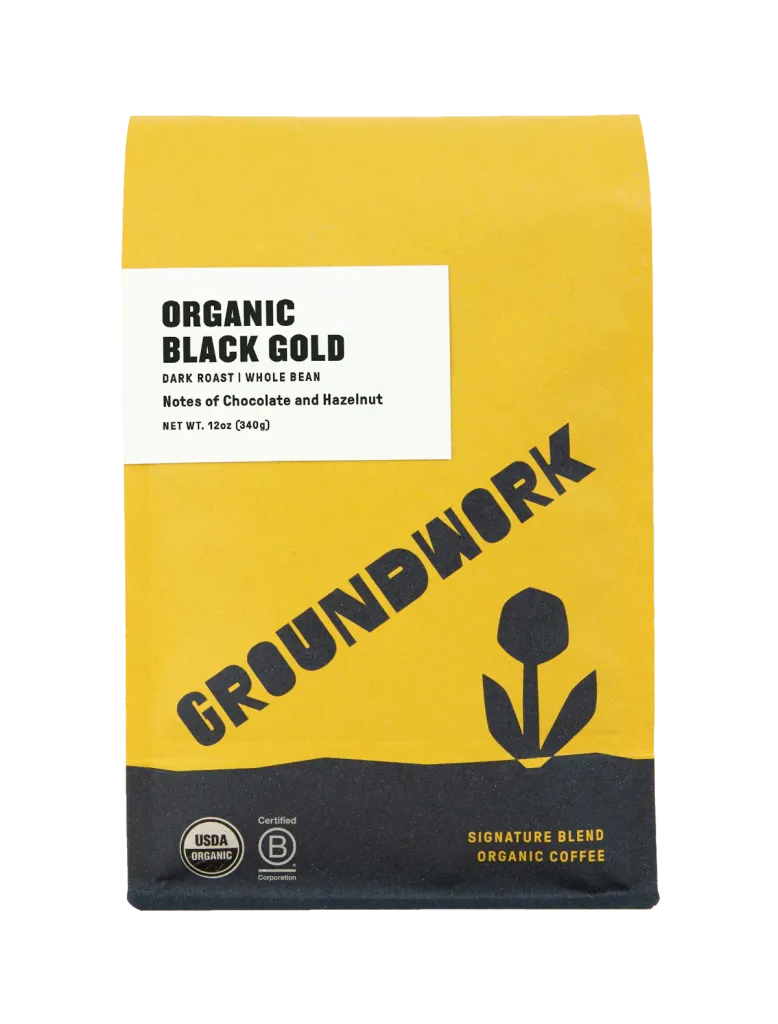
Groundwork Coffee is known for its commitment to organic certification and sustainable agriculture. They offer a wide range of coffee options, including whole beans, coffee pods, and instant coffee, all produced with environmental sustainability in mind. My favorite is Organic Black Gold, which is delicious hints of chocolate and hazelnut. If you live on the West Coast, Groundwork is opening up new cafes, so definitely check them out!
Larry's Coffee
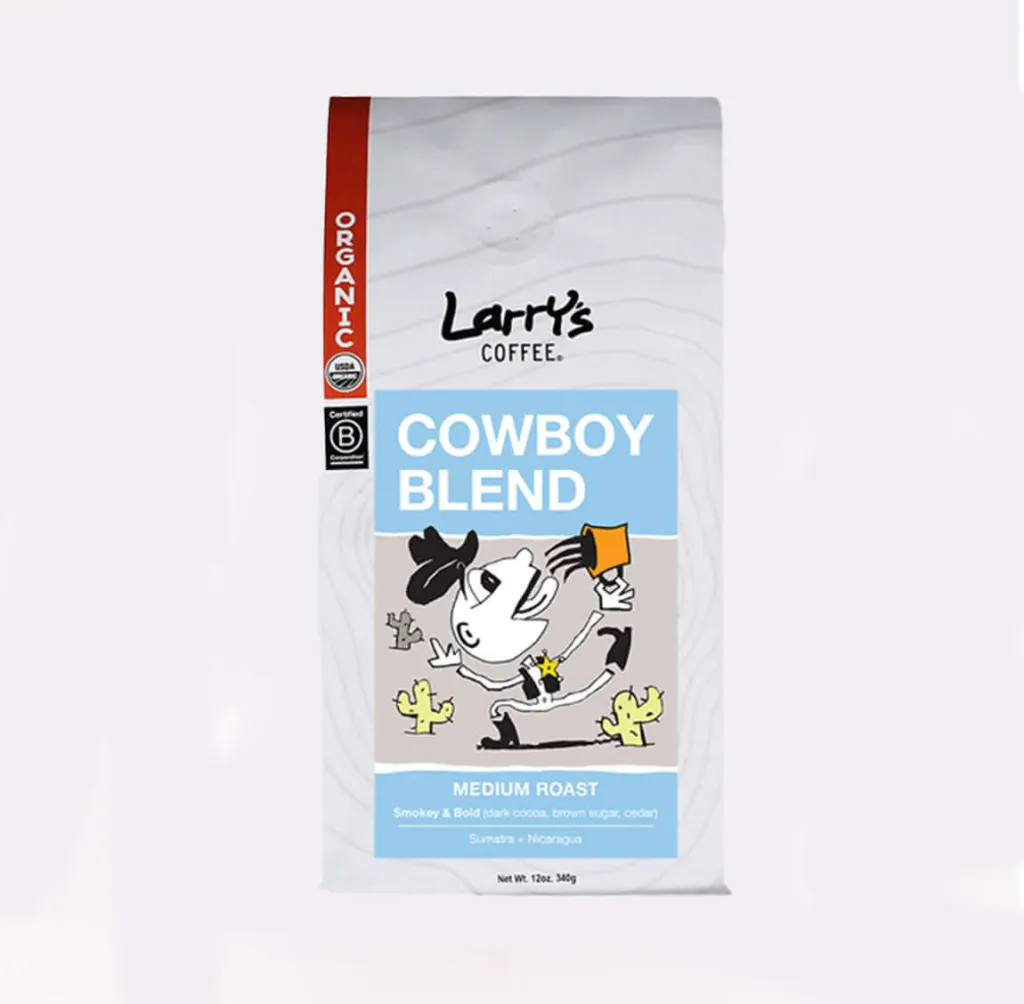
Larry's Coffee is a founding member of Cooperative Coffees, a worker-owned cooperative that ensures fair trade certification and ethical sourcing. It's a shade-grown coffee that prioritizes single-source origin. They also use renewable energy sources like solar panels to power their coffee roaster operations.
Equator Coffees
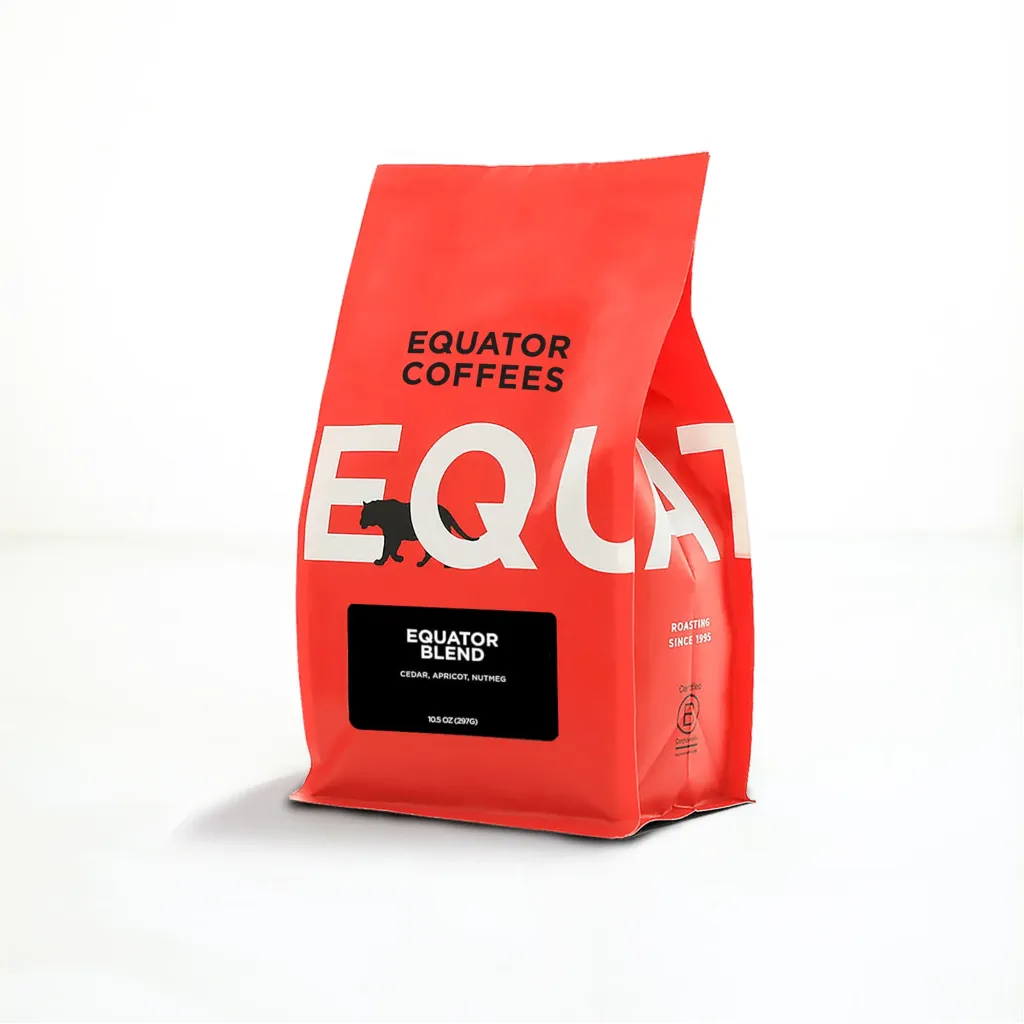
Equator Coffees is a women-owned roaster that has been in operation for over 20 years. They focus on ethical sourcing, fair trade certification, and supporting coffee-growing communities in Latin America, Brazil, and Kenya. Equator Coffee focuses on ethically sourced beans, prioritizing fair trade and organic practices. They minimize their environmental impact through energy-efficient roasting and by supporting regenerative farming methods.
Equal Exchange Coffee
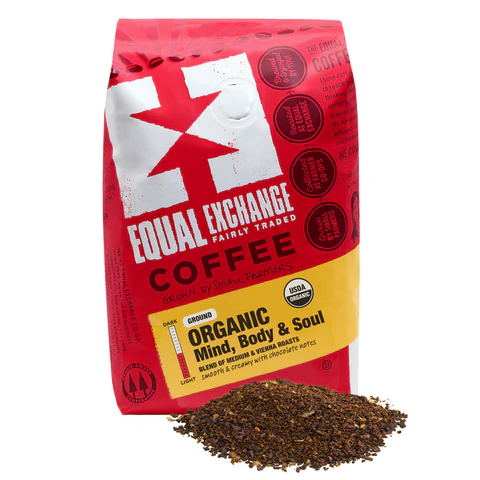
Equal Exchange Coffee is a sustainable brand because they source their beans from small farmers who practice organic farming methods and pay them fair trade prices. This supports economic stability and environmentally friendly practices. They are also a worker-owned cooperative that focuses on social responsibility.
Stumptown Coffee Roasters
Based in Portland, Stumptown Coffee Roasters is known for its high-quality, single-origin coffee. Stumptown Coffee Roasters prioritizes sustainability by sourcing responsibly, aiming for zero-waste facilities, and focusing on reducing their environmental footprint throughout the coffee-making process. They are a Certified B Corporation, demonstrating their commitment to social and environmental good. They support sustainable agriculture and work directly with small farmers to ensure fair prices and ethical treatment.
Counter Culture Coffee
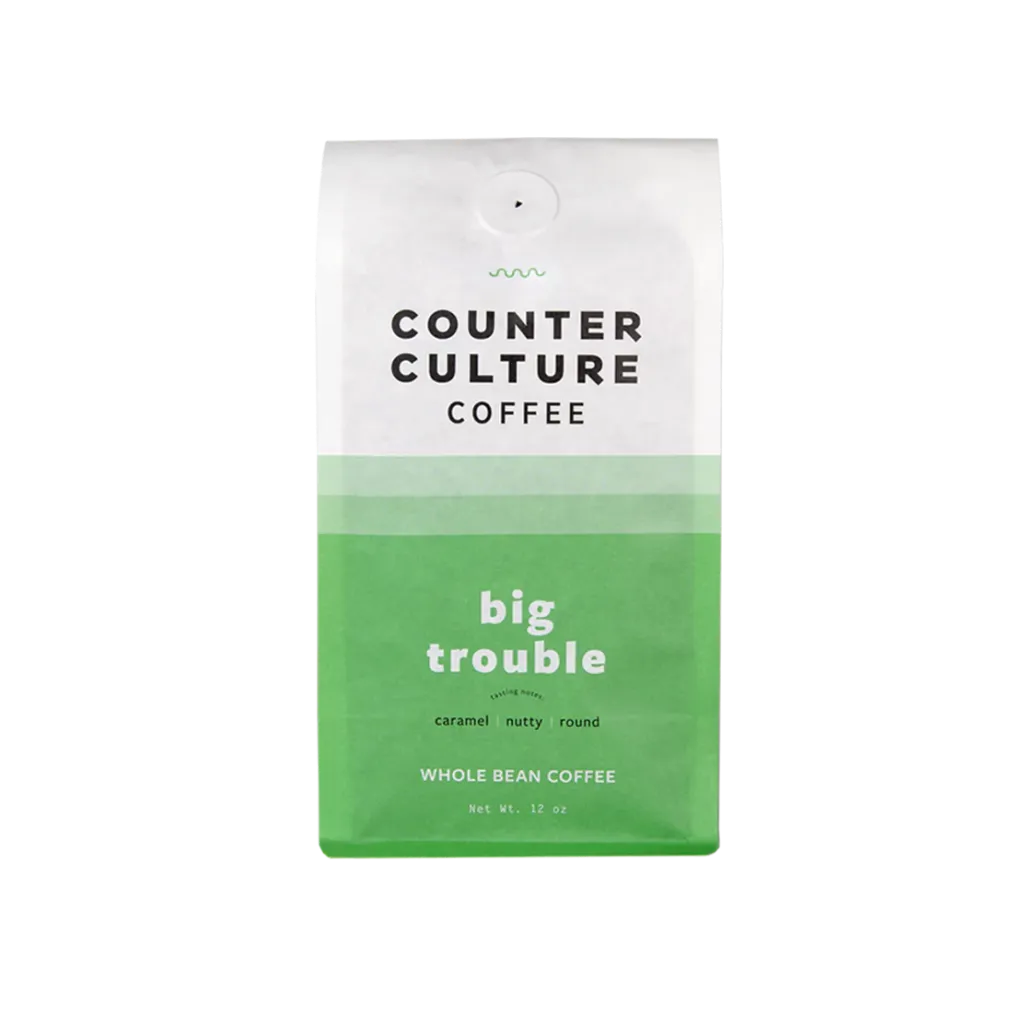
Counter Culture Coffee is known for its commitment to sustainable agriculture and ethical sourcing. They offer a variety of coffee options, including single-origin and blended coffees, all produced with a focus on environmental conservation. Counter Culture Coffee focuses on environmentally and socially responsible practices throughout its supply chain. They source their beans from long-term partners and invest in sustainability initiatives at the farm and cafe levels. They are also B Corp certified, which means they meet high standards for social and environmental performance.
Cooperative Coffees
Cooperative Coffees is a unique collaboration of small-scale coffee roasters who prioritize fair trade coffee and carbon neutrality. They source directly from small-scale farmers, ensuring fair prices and supporting their communities.expand_more They also prioritize environmentally friendly growing practices and focus on long-term partnerships for a stable coffee supply. They work directly with coffee farmers to promote sustainable farming practices.
Amavida Coffee Roasters
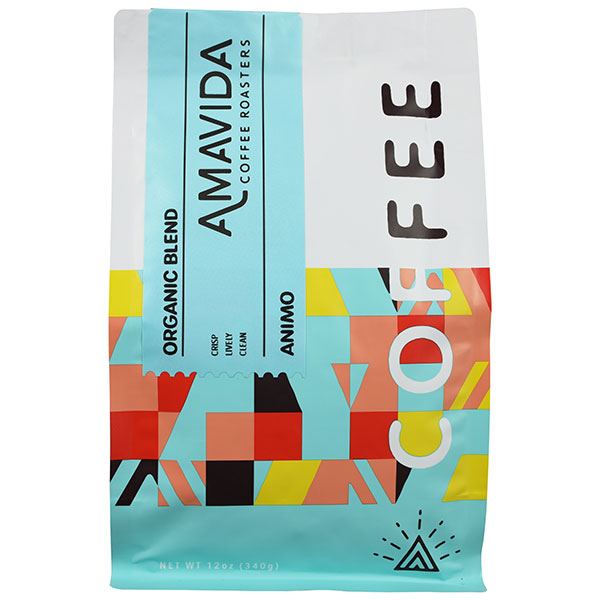
Amavida Coffee is a fair trade organic coffee brand that focuses on equal exchange and supporting small farmers. They source Fair Trade and organic beans, offset their carbon emissions, and strive for net-zero plastic use across their entire operation. This means they focus on ethical sourcing, environmental responsibility, and reducing waste through sustainable packaging.
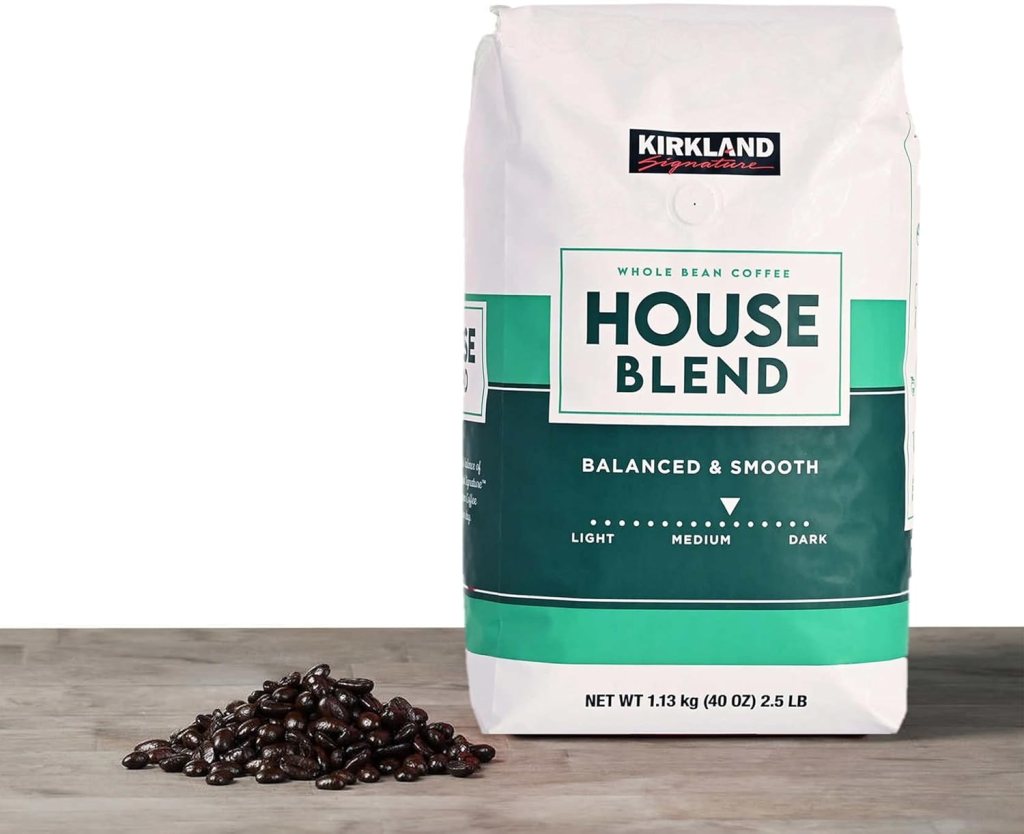
Kirkland Coffee
Really? Costco? Yes. Costco leads the industry standard for ethical and more sustainable practices. These include anything from ethical livestock conditions, and fair trade products. I regularly buy Costco's coffee. It tastes delicious, it's affordable, and it's Fair Trade Certified.
What to Look for in a Sustainable Coffee Brand
If your favorite grocery store doesn't have one of these brands, here are some qualities you can look for in a sustainable coffee company.
Certifications and Practices
Look for certifications such as Fairtrade Certified, Rainforest Alliance Certification, USDA Organic, and Certified B Corporation. These indicate that the coffee company adheres to high standards for environmental sustainability, ethical sourcing, and fair labor practices.
Other claims that are great, but are not directly validated are carbon neutral, shade-grown coffee, and supporting biodiversity.
Support for Small Farmers & Communities
Choose brands that work directly with small farmers and support coffee-growing communities. This ensures that farmers receive a fair price for their coffee beans and helps promote sustainable farming practices.
Sustainable Packaging
Opt for coffee brands that use sustainable packaging. This includes biodegradable, compostable, or recyclable materials that reduce the environmental impact of coffee production. Also see if you can reuse or recycle the coffee container.
Transparency in Sourcing
Select brands that are transparent about their coffee supply chains. This includes information on where the coffee beans are sourced, how they are processed, and the impact on the environment and local communities. Opt for brands that support the local economies and give back to the communities in which they operate.
Commitment to Environmental Conservation
Support coffee companies that are committed to environmental conservation. This includes practices such as reforestation, carbon neutrality, and the use of renewable energy sources like solar panels.
For More On Sustainable Coffee:
- Are coffee cans recyclable? How to Reuse or Recycle
- Can You Reuse Cold Brew Coffee
- The Best Coffee Pot Cleaner is One You Already Have: How to Clean Your Coffee Maker with Vinegar
Choose a Better Cup
No matter how many cups of coffee you drink, opt for a sustainable coffee. Choosing a sustainable coffee brand not only ensures you are enjoying a high-quality cup of coffee. It also supports fair trade, ethical sourcing, and environmental conservation. When we make conscious choices, we enjoy our morning coffee more. We know we are contributing to a more sustainable and equitable coffee industry. So, next time you reach for a cup of coffee, consider one of these ethical coffee brands and make a positive impact with every sip.

This post contains affiliate links, in which through your purchase, I may earn a small commission. This helps fund the site and ensure we can keep providing you great recipes and sustainability information. I have tested every product, so I stand behind these choices.
Discover more from made to sustain
Subscribe to get the latest posts sent to your email.