How Do You Define Food Sustainability? What You Need to Know

Sustainability has become a major focus in the food industry over the last few years. Big companies like Unilever, Nestle, and ConAgra have set goals to lower their water use and carbon emissions by 2025. Their goals are based on Sustainable Development Goals devised by the United Nations. However, many of these efforts have faced challenges because the industry still struggles with one basic question: how do we define food sustainability?
If you’ve been wondering what food sustainability really means and how to recognize it, you’re in the right place. In this series, we’ll break down what food sustainability is and what you can do to support a better food system. Let’s start with the basics.
Before We Dive In: Why Defining Food Sustainability Matters
Walk into any grocery store and you’ll see labels like “natural,” “plant-based,” and “sustainably sourced” on food packages. You may have also noticed that packaging itself is changing, with some brands switching to plant-based or compostable materials. Plant-based foods, like Impossible Foods and Beyond Meat, are now everywhere—from fast food menus to big supermarket shelves. More people are opting for foods that encourage human health and offer nutritious meals made from whole food ingredients.

While all of these changes are exciting, it’s important to know that food sustainability is a very complex topic. It’s not just about how a product is made. It's also about natural resources, land use, greenhouse gas emissions, food security, nutrition, and more. Plant-based diet advocates will encourage everyone to adopt a vegan diet. While this is a noble effort, it's important to remain realistic. Not everyone wants to make drastic changes to the foods they eat. That's why it's more realistic to encourage people to reduce instead of completely eliminating the consumption of animal and dairy products. This approach can have a lower environmental impact and support sustainable food choices.
The truth is: there’s no such thing as a 100% sustainable food product. Every choice has some trade-offs. That’s why it’s so important to understand how to define food sustainability and what it really involves.
What Does It Mean to Define Food Sustainability?
When experts define food sustainability, they often talk about three main pillars often referred to as ESG:
- Planet (Environment): Protecting the Earth’s resources like soil, water, and air.
- People (Social Impact): Ensuring fair treatment and good working conditions for everyone involved in food production.
- Profit (Governance): Making sure businesses operate ethically and responsibly.
Simply put, food sustainability means creating a food system that provides enough food for today, without harming the ability of future generations to produce food. While this is simple enough to understand, this is a wide-scale change to our food systems. The industry status quo does not function in a way that will sustain a growing population in the long term.
Key Metrics That Define Food Sustainability
Now that we understand the big picture, let's look at the key factors that currently define food sustainability.
1. Water Usage
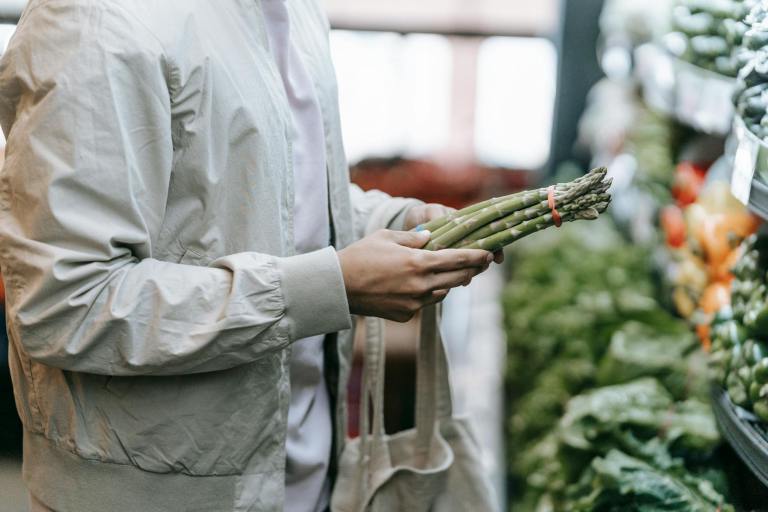
Water is critical for growing food, but some crops use much more than others. For example, nuts and asparagus require a lot of water to grow. Choosing foods that use water more responsibly is a big part of sustainable eating.
2. Carbon Emissions
Animal farming produces a lot of greenhouse gases. In fact, switching to plant-based proteins like peas and lentils can cut carbon emissions by eight times. Also, the distance food travels to reach your plate (called “food miles”) adds to its carbon footprint.
3. Energy Use
Growing and processing food uses a lot of energy, most of it from fossil fuels. This practice contributes to greenhouse gases and carbon emissions. Some companies are investing in renewable energy sources like solar and wind to power their manufacturing facilities. Finding ways to use less energy in manufacturing is a great step towards a more sustainable food system.
4. Land Use
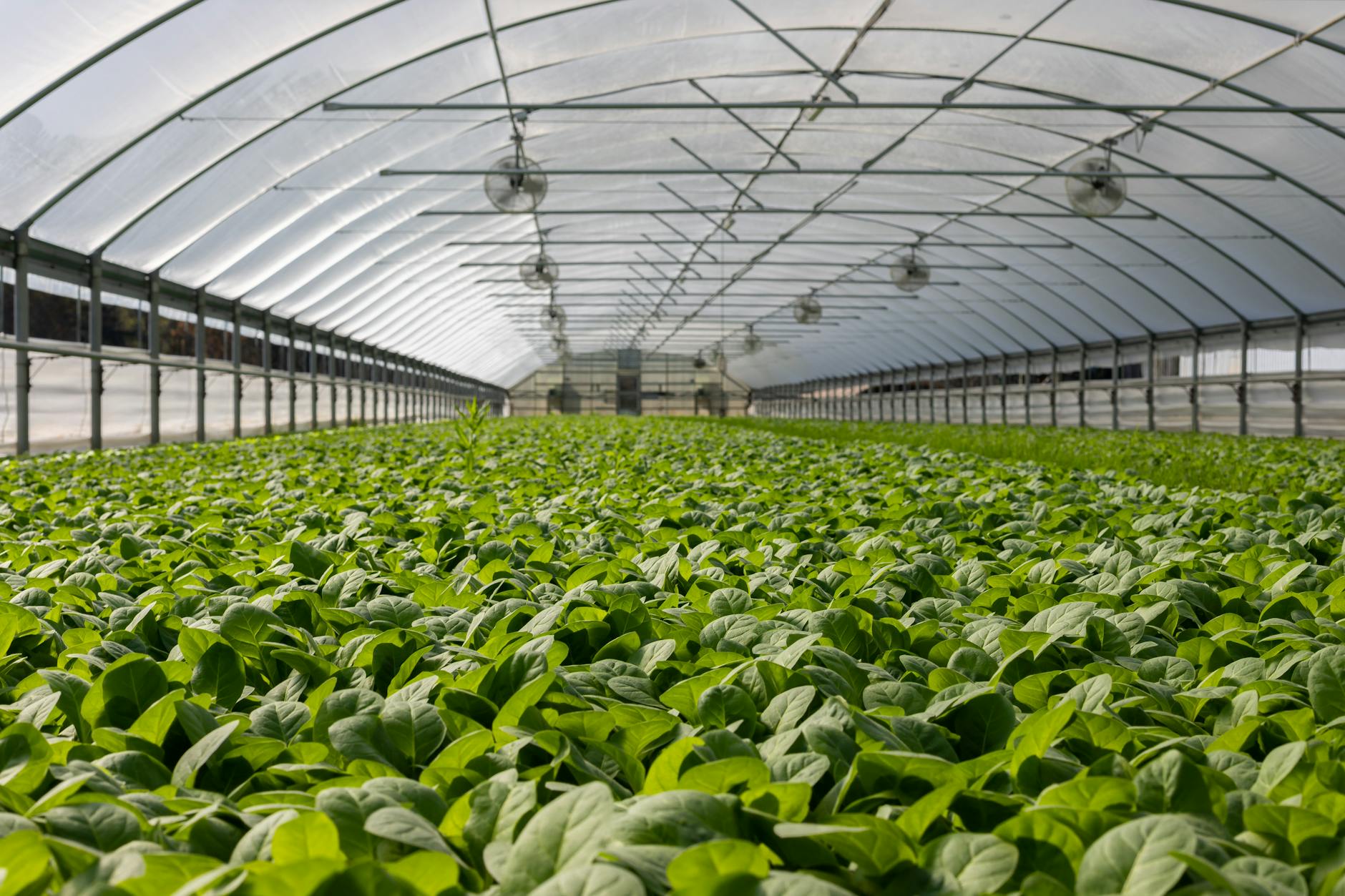
The amount of space it takes to grow a particular crop or raise livestock is referred to as land use. If the land is not properly cared for, it can reduce crop yields, reduce nutrients in crops, and causes environmental degradation.
5. Food Waste
Food waste management is a major problem. Did you know that about 30% of all food grown for human consumption goes uneaten? Worse than that, it actually contributes greenhouse gases through methane emissions! When we discuss issues like food insecurity or communities lacking access to nutritious food, food waste and food loss become a pressing concern. Whether that's coming up with better agricultural practices to grow food or upcycling food that would have otherwise gone to waste, food waste is taking the industry by storm.
Up and Coming Food Sustainability Metrics
These factors are not all-inclusive, but they all impact climate change in different ways. As the matter of food sustainability becomes more important, things like soil health, crop rotation, regenerative organic farming, animal welfare, and
Local Food
Local food is grown and produced close to where you live. Choosing local produce when it's in season helps cut down on “food miles” — the distance food travels to reach your plate — which means fewer carbon emissions. It also supports your local farmers and keeps money in your community. More and more people are becoming conscious of what it means to eat local foods as part of a more sustainable food system.
Quick Tip: You can lower your impact by eating less meat and choosing local produce when it’s in season. Check out our seasonal produce guide here!
Regenerative Agriculture
Regenerative agriculture is a way of farming that focuses on restoring and improving the land, not just using it. It includes practices like planting cover crops and rotating fields to keep the soil healthy and full of life. This approach helps fight climate change by pulling carbon out of the air and storing it in the ground. Regenerative is similar to organic in many ways, but they vary in quite a few ways.
Soil Health
Healthy soil is the foundation of a strong food system and nutritious foods. Good soil holds water better, grows more nutritious crops, and stores carbon naturally. When soil is damaged by chemicals or over-farming, it loses these abilities and contributes to pollution and lower food quality.
Animal Welfare
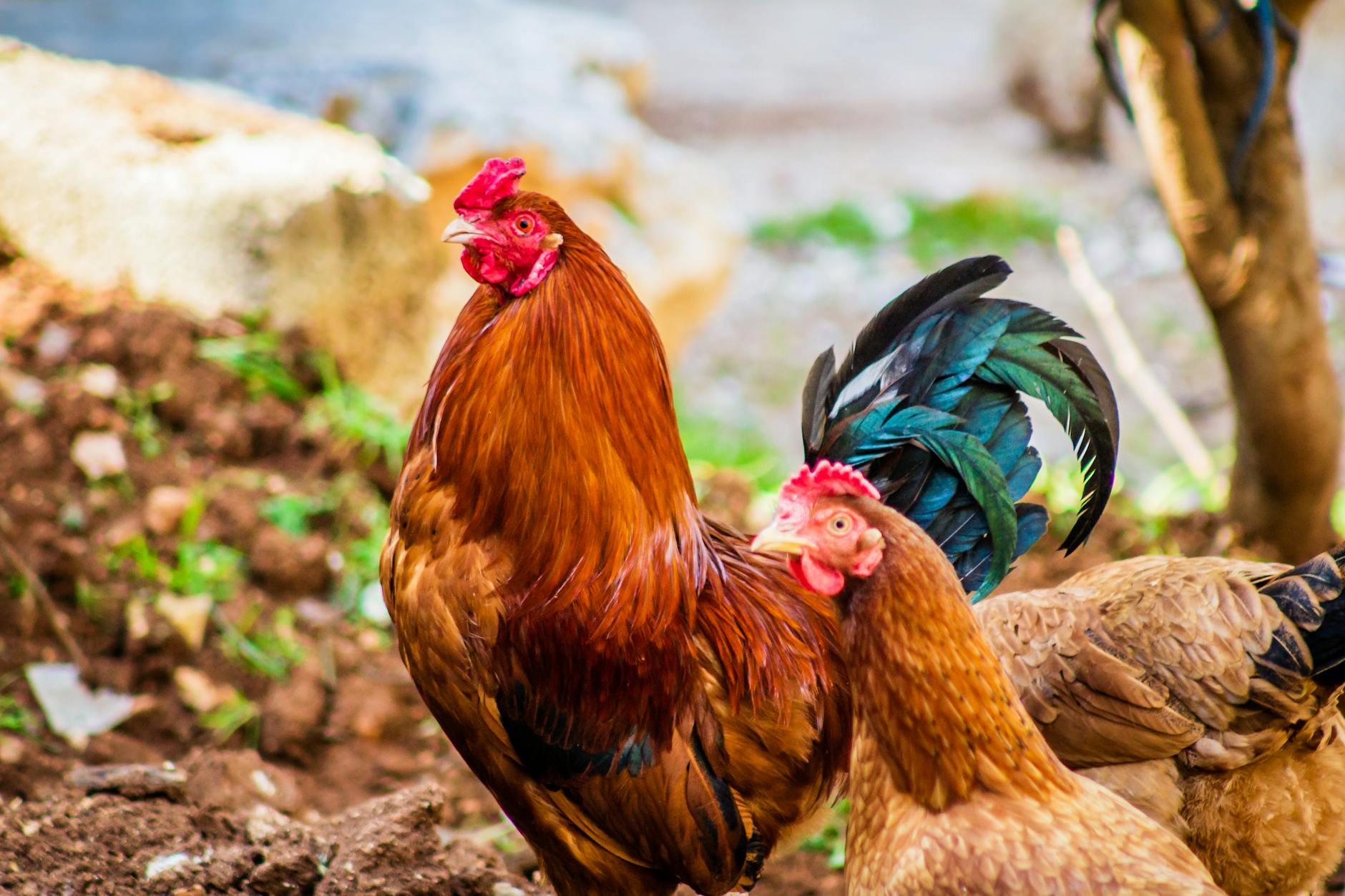
Animal welfare means treating farm animals humanely, giving them enough space, proper food, and good living conditions. It's important because animals are living beings that deserve care, and better treatment often results in healthier, safer food for people too.
Biodiversity
Biodiversity is the variety of life on Earth — plants, animals, insects, and everything in between. In farming, high biodiversity means growing lots of different crops and protecting natural habitats. This is important because diverse systems are more resilient to pests, diseases, and climate change.
Why People Matter in Food Sustainability
Food sustainability isn’t just about the environment—it’s also about people.
Fair wages, safe working conditions, and basic human rights for farmworkers and food workers are essential. Sadly, many workers, especially migrant workers, are stuck in poor conditions without fair pay or housing. When choosing food products, look for certifications like Fair Trade, which show that workers were treated fairly.
If you want to learn more, the book Tomatoland by Barry Estabrook offers a powerful look into the struggles of farmworkers. For more sustainable food books, check out my list here.
The Role of Communities in Defining Food Sustainability
Companies must also think about their impact on local communities. For example, factories that release pollution can increase health problems like asthma and cancer for nearby residents.
On the flip side, companies like Bombas and AeroFarms create jobs and donate to communities. Look for brands that talk openly about how they support their communities—you’ll often find this information on their websites.
Governance: How Companies Play a Role in Food Sustainability

The last pillar is governance, or how companies are run. This means they operate in a way that is ethical, but also profitable.
Some companies, like Cargill, promote plant-based products while still heavily investing in traditional meat industries. Others, like Amazon, have been criticized for poor worker treatment. Big companies have a lot of work to do in examining how they support local economies.
But there are positive examples too. Costco, for instance, pays workers living wages, offers good benefits, and gives back through community programs. Dr. Bronner's has a 5:1 salary gap between the CEO and its lowest paid worker.
When you define food sustainability, it's important to look at how companies act behind the scenes—not just what they advertise.
What We Get Wrong About Food Sustainability
It's easy to point the finger at Big Food as the source of all of the problems within food sustainability. These companies operate at a global scale, and even making small changes can take a huge amount of time. However, they play a crucial role in ensuring that we can feed the world's population. The truth is, even though their websites state that they are making efforts towards nutrition security, food sustainability requires an integrated approach from soil health, farmers, food manufacturers, and consumers.
This will take time, but supporting companies that are making these changes already will make the change happen faster! Check out our sustainable food directory here.
Final Thoughts: Defining Food Sustainability Is Complex but Important
Ultimately, defining food sustainability encompasses a wide range of considerations, including environmental stewardship, social responsibility, and ethical business practices. While the topic is complex, your food choices can make a real difference.
Supporting sustainable food is about progress, not perfection. Start small—buy local when you can, eat more plant-based meals, and support companies that treat people and the planet with respect.Because there’s no universal definition or strict rules yet, it's important to stay informed. Keep checking back here for more updates and resources on how to define food sustainability and make choices that matter.
Discover more from made to sustain
Subscribe to get the latest posts sent to your email.