What is Unsustainable Living & Its Environmental Impacts?

There's a trend on the internet to display “Underconsumption core” as a more sustainable way of living. With climate change and global warming threatening our daily lives, natural landscapes, and the availability of natural resources, it has never been more critical for us to embrace sustainable living practices. But the term begs the question, what is considered “Unsustainable Living?”
While the answer to the question isn't straightforward, many layers contribute to sustainable living and, in turn, unsustainable living. From natural resources to economic growth to simply day-to-day living, we'll explore how our individual actions lead to an unsustainable lifestyle and their environmental impact. We'll also provide some resources that share how to go from unsustainable living to a less impactful life.
Understanding Unsustainable Practices
An unsustainable practice can look different to everyone and in every industry. Unsustainable living practices are behaviors and lifestyle choices that deplete natural resources, harm ecosystems and contribute to environmental degradation. Ultimately, it compromises the ability of future generations to meet their own needs. These practices are vast and include excessive consumption of non-renewable resources such as fossil fuels, deforestation for agriculture and urban development, overuse of water resources, reliance on single-use plastics, and high levels of waste generation without adequate recycling.
Unsustainable agricultural practices include the excessive use of synthetic fertilizers and pesticides. These can lead to soil erosion, water pollution, and biodiversity loss.
The main concern with unsustainable living is the impact on future generations. When we use too many natural resources over the long term, we directly affect the ability of future generations to live at a similar level of comfort.
Additionally, unsustainable living often involves high carbon footprints due to energy-inefficient homes, reliance on automobiles, and diets heavy in meat and processed foods, all of which contribute to climate change and human health. These practices collectively strain the planet's ecosystems and resources. It's imperative to shift towards more sustainable habits to preserve the environment and ensure long-term ecological balance.
Unsustainable Habits in Everyday Life
The average person does not think about the impacts of their daily habits on the natural environment. However, some daily habits inherent in our convenience culture collectively lead to unsustainable lifestyles.
Single-Use Plastics: The Environmental Menace
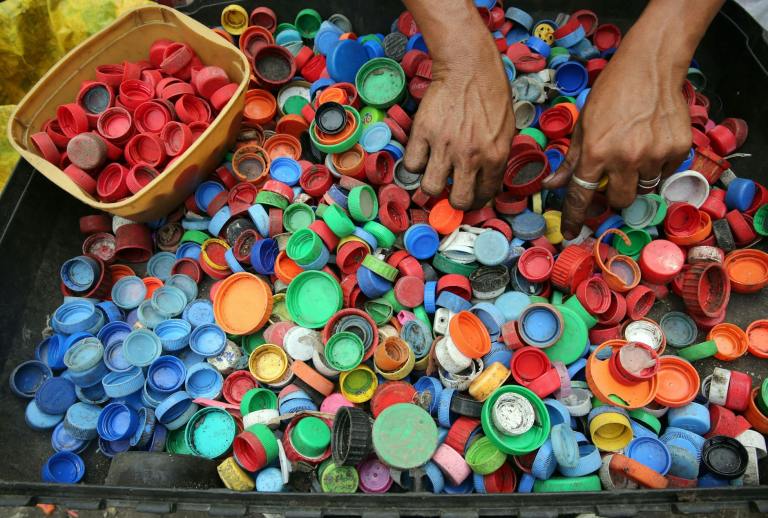
The convenience of single-use plastics overshadows the environmental havoc they wreak. Less than 10% of all plastics are actually recycled globally. These materials, designed for immediate disposal, contribute to one of the most persistent and widespread forms of pollution. Microplastics have been found in virtually every area of the globe, including the most remote areas and even within our own bloodstreams.
Single-use plastics, such as straws, tampon applicators, plastic bags, and packaging, are often discarded after a single use, leading to mountains of waste that accumulate in landfills and oceans. These plastics, composed of non-biodegradable polymers, can take hundreds of years to break down. During this time, they fragment into microplastics that infiltrate our ecosystems, waterways, and even our food chain.
The proliferation of plastic pollution is not just a visual eyesore in natural landcapes. It poses significant threats to wildlife, marine life, and human health. Marine animals mistake plastic for food and suffer from ingestion and entanglement. This can lead to injuries, starvation, entrapment, and death. Moreover, the production of single-use plastics is heavily reliant on fossil fuels, contributing to carbon emissions and exacerbating climate change. As we look so solve and reduce plastic pollution, we should question our reliance on these convenience-driven and ecologically damaging materials. We did not always have these materials available. A collective movement towards reusable alternatives and stricter regulations on plastic production and disposal.
Wasteful Food Practices: A Global Concern
From farm to table, our food system is riddled with inefficiencies and waste. The problem with food waste is that it squanders precious resources while deepening global hunger and environmental harm. Shockingly, about one-third of all food produced for human consumption is lost or wasted each year. That's billions of tons of nourishment that never make it to the plates of those in need.
This waste permeates every stage of the supply chain. Sometimes crops in the field face pests or diseases, or perfectly good produce discarded simply for not meeting cosmetic standards. Consumers contribute to food waste through over-purchasing and subsequent disposals. The environmental impact of this waste is profound. Consider the vast amounts of water, land, energy, and labor expended to grow, transport, and store food are also lost.
Adding to the issue, food waste in landfills emits methane, a potent greenhouse gas that significantly contributes to climate change. To tackle this global challenge, we need a comprehensive approach. One that improves agricultural efficiency, optimizes supply chain management, and fosters a cultural shift towards recognizing food as the valuable resource it is.

Dependence on Fossil Fuels for Transportation
While taking a two-minute drive down the street might not seem like a big deal, it adds up. It's important to consider that we might not have the luxury everywhere to reduce our dependence on cars. but there are ways to make small improvements.
Our dependence on fossil fuels for transportation is unsustainable because it depletes finite natural resources, contributes significantly to environmental degradation, and accelerates climate change. Fossil fuels, including oil, coal, and natural gas, are non-renewable resources formed over millions of years. Once extracted and used, they cannot be replaced within a human timescale. As global demand for transportation continues to grow, our reliance on these limited resources is under threat. The rapid depletion raises concerns about future energy security and economic stability.
The environmental impact of burning fossil fuels for transportation is profound. The combustion process releases large quantities of carbon dioxide (CO2) and other greenhouse gases into the atmosphere. These contribute to global warming and climate change. Emissions are a major driver of rising global temperatures, leading to more frequent and severe weather events, melting ice caps, and rising sea levels. Additionally, the extraction, refining, and distribution of fossil fuels involve environmentally destructive practices, such as drilling, fracking, and oil spills, which further harm ecosystems and wildlife.
Moreover, the air pollution caused by fossil fuel combustion in vehicles poses serious public health risks. Pollutants like nitrogen oxides (NOx) and particulate matter contribute to respiratory and cardiovascular diseases. This disproportionately affects vulnerable populations, particularly those living in urban areas with high traffic congestion.
Given these challenges, the continued reliance on fossil fuels for transportation is not sustainable. Transitioning to cleaner, renewable energy sources—such as electricity generated from wind power, solar panels, and hydropower is a necessary step for a better future. Along with improving energy efficiency and developing sustainable transportation infrastructure is essential to reducing our environmental footprint, ensuring long-term energy security, and protecting public health all while reducing our carbon footprint.
Fast Fashion and its Ecological Toll
Disguised as trends and fueled by rapid production cycles, fast fashion leaves an indelible mark on the environment. It creates a vicious cycle of overconsumption and waste. The industry thrives on churning out inexpensive clothing at breakneck speed, encouraging consumers to rethink their shopping habits and continuously update their wardrobes with the latest styles. This relentless demand for new garments comes at a steep ecological cost.
The production of fast fashion relies on energy-intensive processes, excessive water usage, and the widespread use of toxic chemicals. These contribute to water pollution, soil degradation, and significant greenhouse gas emissions. Textile waste is another alarming byproduct. Millions of tons of clothing end up in landfills each year. Synthetic fibers can take decades to decompose and contribute to microplastics in our waterways.
Additionally, labor is exploited in developing countries. Workers often endure poor conditions for minimal pay, adding a troubling ethical dimension to the industry's impact. Peeling back the layers of this industry reveals the hidden costs. It calls for a shift towards sustainable and ethical fashion. A fashion industry should prioritize quality, durability, and responsible sourcing to replace the fleeting appeal of disposable trends.
Overconsumption and its Consequences
We can't talk about unsustainable living without talking about overconsumption.
Overconsumption refers to the excessive use or consumption of resources beyond what is sustainable or necessary. It leads to the depletion of natural resources, environmental degradation, and negative socio-economic impacts. Overconsumption is characterized by a demand for goods and services that outpaces the planet's ability to regenerate resources and absorb waste. This behavior is often driven by a vapid consumer culture, where success and happiness are equated to material possessions.
Overconsumption can manifest in many ways. Some examples include the overuse of fossil fuels for energy and transportation, impulse purchases, and buying more than we need. The excessive purchase and disposal of consumer goods contribute to landfill waste and pollution. Additionally, overconsumption of food, especially meat and highly processed foods, can contribute to food waste and increased emissions.
The impacts of overconsumption are far-reaching. They affect biodiversity, accelerate resource depletion, and exacerbate social inequalities. The wealthiest populations often consume disproportionately more resources than the rest of the world. In a culture that's quick to go for comfort, convenience, and lavish niceties, overconsumption without thinking about repercussions is the easy way out. Reducing overconsumption involves adopting more sustainable lifestyles, prioritizing quality over quantity, and making mindful choices about resource use and waste.

Resource Depletion: A Closer Look
You might remember learning about natural, renewable, and non-renewable resources in elementary school. As the name might suggest, natural resources come from the earth, and renewable resources can be renewed from the earth, while non-renewable resources cannot be recreated. When we speak about resources, typically, we're speaking of material items needed to make other items.
Resource depletion refers to the gradual exhaustion of natural resources due to overuse, overexploitation, and consumption that outpaces the rate at which these resources can be replenished. It affects both renewable and non-renewable resources, though the dynamics differ for each type.
In terms of renewable resources, resource depletion occurs when the rate of consumption exceeds the rate of natural regeneration. Renewable resources include forests, fish stocks, freshwater, and soil. For example, deforestation at a pace faster than tree growth, overfishing that exceeds the breeding rates of fish populations, and groundwater extraction that surpasses the replenishment rate are all instances of resource depletion. Although renewable resources have the capacity to replenish naturally, unsustainable practices can lead to their asynchronous replacement pattern, degradation or even complete depletion, making them effectively non-renewable.
For non-renewable resources, resource depletion is more straightforward because these resources do not regenerate on a human timescale. Non-renewable resources include fossil fuels (coal, oil, natural gas), minerals, and metals. Once extracted and used, these resources are permanently depleted. The continuous extraction and consumption of fossil fuels, for example, lead to a finite supply. This can result in scarcity and environmental impacts such as climate change due to increased greenhouse gas emissions.
Resource depletion, whether of renewable or non-renewable resources, poses significant challenges for sustaining future population growth. It requires careful management and conservation efforts to ensure that future generations can meet their needs. This is why the word “conservationists” exists.
The Environmental Impacts of Unsustainable Living
Unsustainable lifestyles impact the environment in many ways, from resource depletion to increased emissions to water scarcity and more. Here are just a few ways that our current lifestyles impact the environment.
Deforestation and Habitat Loss
Forests, often referred to as the lungs of our planet, are falling to the relentless axes. Old-growth forests sequester carbon from the atmosphere and are often cut down for things like paper or cardboard.
Deforestation leads to widespread habitat loss, ecological disruption for wild animals, and an increase in endangered species. The intricate connection between deforestation and sustainable living is key to understanding and fostering informed environmental stewardship. As these vital ecosystems disappear, so too do the countless species and ecological services they support, pushing us to rethink our approach to land use and conservation.
Soil Erosion and Agricultural Unsustainability
Beneath our feet, the soil is our foundation for food production. It's quietly eroding in quality, which poses a serious threat to agricultural sustainability. Soil health is an essential relationship between food security and nutrition. This urges us to rethink and reform our agricultural practices. An unsustainable way to do this would be with increased fertilizers and soil supplementation.
Without healthy soil, our ability to grow nutritious food is compromised. It's imperative to adopt sustainable farming methods, such as regenerative agriculture, that protect and nourish this vital resource for a resilient future.
Water Scarcity: A Global Challenge
Water, the very essence of life, is increasingly becoming scarce on a global scale. This is one of the most pressing challenges of our time. This crisis is driven by overuse, pollution, and climate change. It demands a deep examination of its causes and the adoption of water-wise practices. Effective and sustainable water management is essential in our collective quest to ensure that this precious resource remains available for future generations.
Pollution & Poor Air Quality
Pollution plays a big part in environmental degradation. Air, water, and soil bear the brunt of the consequences, fueling the flames of unsustainable living. Pollution plays a significant and often detrimental role in sustainability, impacting environmental health, economic stability, and social well-being.
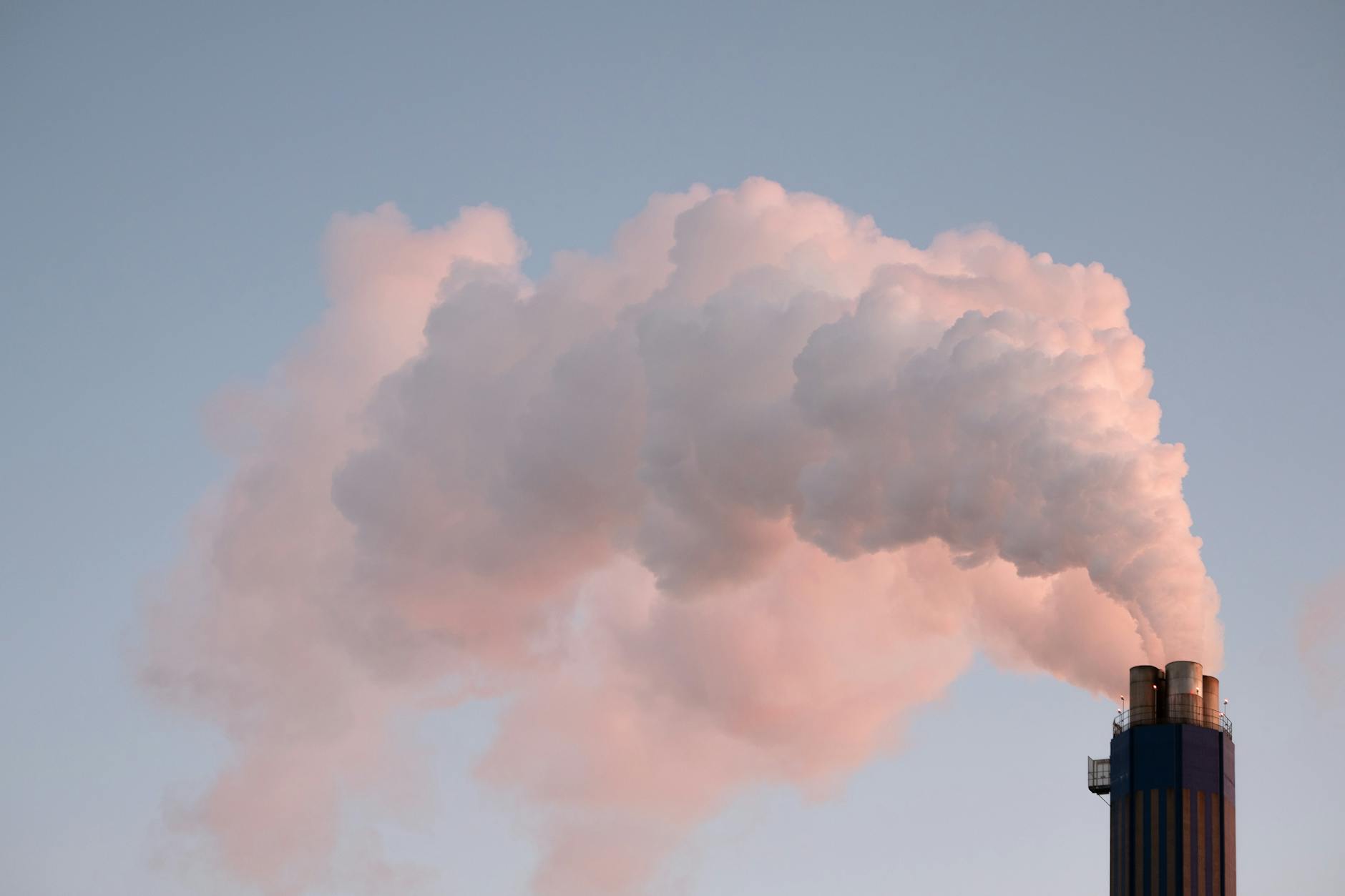
Pollution degrades natural ecosystems and reduces biodiversity, which is essential for maintaining ecological balance. Air pollution from industrial emissions, vehicle exhaust, and burning fossil fuels contributes to climate change by increasing greenhouse gas concentrations, leading to global warming and extreme weather events. Water pollution from agricultural runoff, industrial discharges, and plastic waste contaminates freshwater resources and oceans, harming aquatic life and disrupting ecosystems. Soil pollution from pesticides, heavy metals, and improper waste disposal depletes soil health and reduces its ability to support plant life, affecting food production. Air pollution is caused mostly by factory emissions, transportation emissions, and wildfires, which are all major contributors to respiratory problems.
The Climate Change Connection
Our current lifestyles and consumption habits are deeply intertwined with the acceleration of climate change. This complex relationship reveals how unsustainable living threatens the delicate balance of our planet's ecosystems. Mitigating climate change requires a fundamental shift in the way we live, consume, and interact with the environment, emphasizing the need for sustainable alternatives that reduce our carbon footprint and foster long-term ecological balance.
Greenhouse Gas Emissions Overview
The atmosphere, our planet's protective shield, is increasingly marred by emissions from human activities, primarily in the form of greenhouse gases. Understanding the composition and impact of these emissions is crucial in addressing the root causes of climate change. As these gases accumulate, they trap heat and disrupt the Earth's climate systems, leading to the warming and extreme weather patterns we are witnessing today.
Economic Consequences:
The economic impact of climate change and pollution is substantial. Climate change disrupts economies by increasing the frequency and severity of natural disasters, which cause costly damage to infrastructure, reduce agricultural yields, and strain public finances. It also threatens industries such as agriculture, tourism, and fishing, leading to job losses and reduced economic stability in vulnerable regions. Additionally, the rising costs of adapting to and mitigating climate impacts place a significant financial burden on governments, businesses, and individuals, potentially slowing overall economic growth.
Pollution-related illnesses, such as respiratory and cardiovascular diseases, can lead to increased healthcare costs. Pollution also affects industries that rely on clean air, water, and soil, such as agriculture, tourism, and fisheries. For example, contaminated water sources can devastate fishing communities, while polluted air can deter tourism. Additionally, the costs associated with cleaning up polluted sites and mitigating environmental damage are significant and often fall on governments and taxpayers.
Pollution disproportionately affects vulnerable populations, exacerbating social inequalities. Communities in low-income areas and developing countries often bear the brunt of pollution, living near industrial sites or in areas with poor waste management. This exposure leads to health disparities and reduced quality of life. Furthermore, pollution-related environmental degradation can lead to resource scarcity, which can fuel social conflicts and displacement.
Advocate for Environmental Responsibility
There's an urgent need to collectively address the planetary crisis of climate change. But all's not lost. You can help impact the future of our planet by voting for world leaders and local leaders who prioritize climate as a major issue.
The government plays a crucial role in sustainability because it has the authority and resources to create, implement, and enforce policies that promote long-term environmental, social, and economic well-being. Governments can set regulations and standards that limit harmful practices, such as pollution and deforestation, and incentivize sustainable practices, like renewable energy use and conservation efforts. Through legislation, they can mandate reductions in greenhouse gas emissions, protect natural resources, and ensure that industries operate in ways that do not deplete or damage the environment for future generations.
Moreover, governments can invest in sustainable infrastructure and research, support education and public awareness campaigns, and provide subsidies or tax breaks to encourage businesses and individuals to adopt more sustainable practices. By leading international agreements and collaborations, governments also play a pivotal role in addressing global challenges like climate change, biodiversity loss, and resource scarcity, ensuring that sustainability efforts are coordinated and effective on a global scale.
In essence, the government's ability to influence policy, regulate industries, and mobilize resources makes it a key player in driving the transition toward a more sustainable future. Without government involvement and your advocacy for a more sustainable future, achieving widespread, meaningful progress in sustainability would be much more difficult. While there's still time to resolve these issues, it's our responsibility as citizens of a global population to advocate for planet Earth.
Discover more from made to sustain
Subscribe to get the latest posts sent to your email.