Top 12 Worst Foods For the Environment

Emissions from food and agriculture make up about 22% of all global greenhouse gas emissions. Some foods are worse contributors than others. The ability to make an informed decision about what we put on our plates helps us understand our impact. By understanding which ones are the worst foods for the environment, we can limit our impact. If you're interested in learning about the best foods for the environment, check out our post here.
Every bite we take shapes the future of the planet.
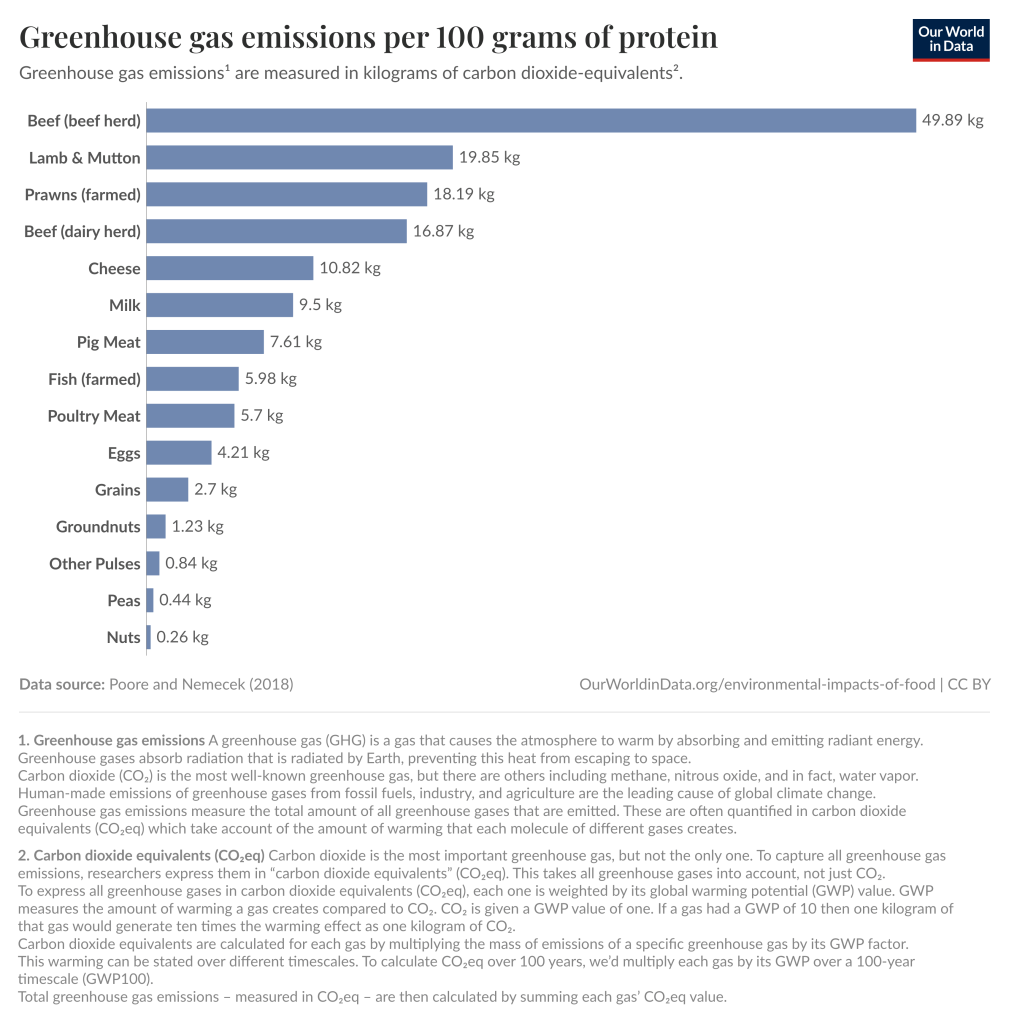
A growing body of academic studies has revealed that food production is responsible for over one-quarter of global greenhouse gas emissions [Poore & Nemecek, 2018].
If we are serious about mitigating global warming, then rethinking our diets is a crucial part of the puzzle. Our food systems are intricately tied to some of the most pressing environmental issues today. Climate change, biodiversity loss, soil erosion, and water pollution all impact our food system's environmental impact.
Here are the worst foods for the environment
The foods we consume daily carry hidden ecological price tags. From red meat to fast food staples, some of our favorite foods have a great impact on the Earth. Here are the worst foods for the environment.
Beef: The Climate Culprit
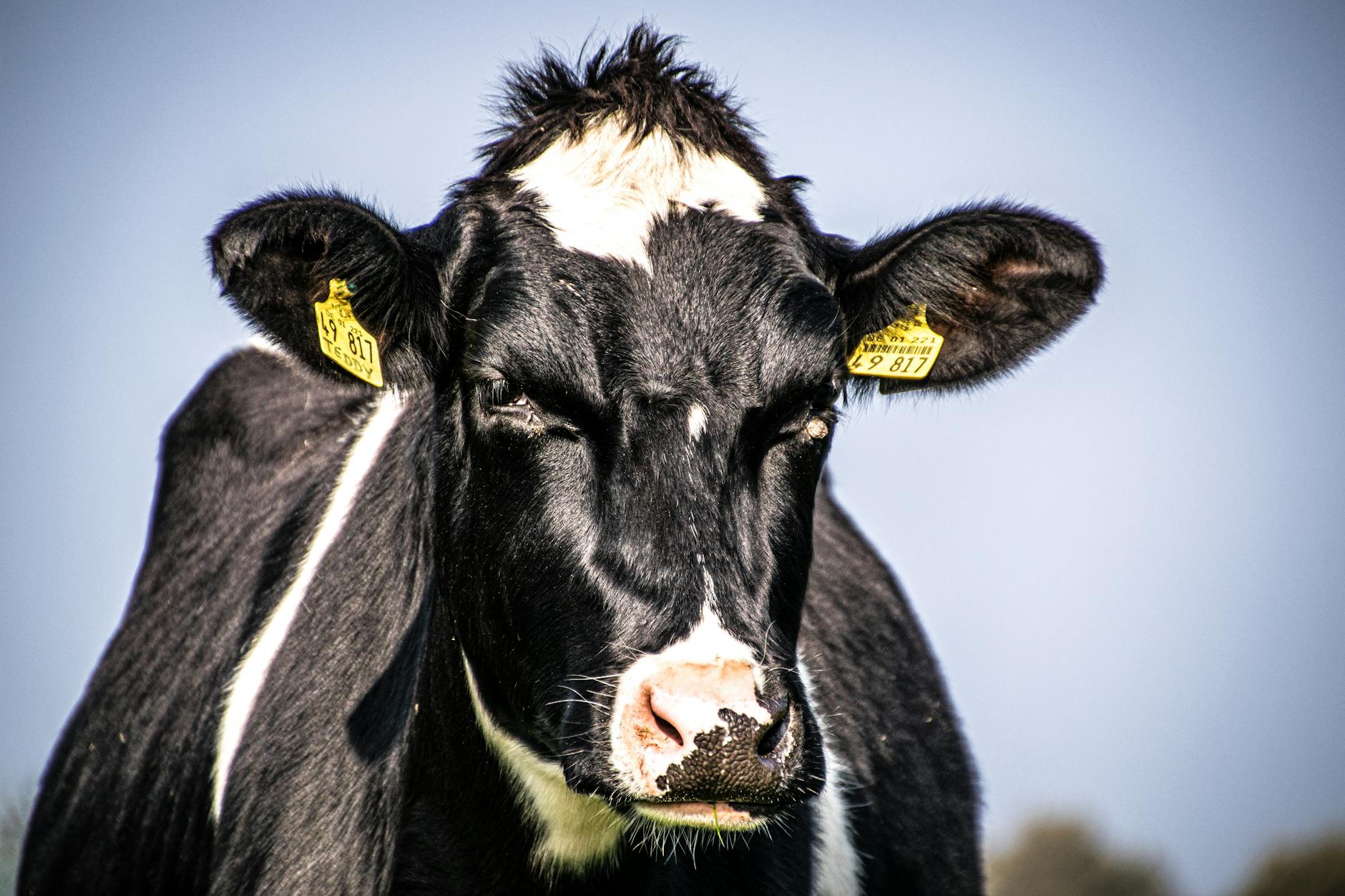
Beef production is perhaps the most egregious offender when it comes to environmental impacts. The livestock sector, especially cattle, contributes to nearly 14.5% of all greenhouse gases from human activity, primarily in the form of methane emissions and nitrous oxide [FAO, 2021].
Producing a single kilogram of beef emits approximately 60 kilograms of carbon dioxide equivalents. This exceeds the CO2e far more than any plant-based foods. This is not just because of methane emitted from the cows themselves, but also due to the sheer scale of land use change, animal feed requirements, and water use.
Beef production leads to deforestation in regions like the Amazon. This is because vast swaths of forest are cleared for livestock grazing and to grow soy for animal feed. This land use change is not only catastrophic for the climate but also contributes to massive biodiversity loss. If you want to make a significant environmental impact on your diet, limit your beef intake.
Lamb and Other Red Meats
Lamb, goat, and other ruminant livestock production fall into the category of worst foods due to their high carbon emissions per gram of protein. in particular, lamb generates more greenhouse gases per kilogram of food than even beef. This is primarily due to methane emissions from ruminant digestion. These large animals require much land to graze and contribute to soil erosion in fragile ecosystems, further exacerbating climate impact.
Dairy: Not So Innocent
The dairy industry, often marketed as wholesome and natural, is another major driver of climate change. Dairy cows emit large volumes of methane through digestion and manure. Furthermore, the management of animal waste can result in nitrous oxide emissions—a greenhouse gas 298 times more potent than carbon dioxide. For many of the reasons above why beef is bad for the environment, dairy comes from the same source.
Producing a liter of milk requires over 600 liters of water when accounting for the cow’s feed, drinking needs, and milking process [Water Footprint Network, 2020]. The dairy industry also contributes significantly to water pollution, particularly from runoff containing nitrogen, phosphorus, and pathogens.
Industrial Palm Oil and Chocolate
Industrial palm oil has long been associated with deforestation and loss of tropical biodiversity. While responsible or sustainable palm oil certifications exist, the majority of global palm oil production is not sustainably sourced. Its expansion often destroys critical habitats for endangered species such as orangutans and tigers.
Similarly, the production of industrial chocolate often involves land use change, especially in West Africa, where cacao farming is linked to illegal deforestation and child labor.

High-Impact Crops: Almonds and Avocados
Plant-based foods are generally a better choice, but not all crops are equal. Almond milk requires an enormous amount of water—about 371 liters of water for a single glass [BBC Future, 2020]. Most almonds are grown in drought-prone California, intensifying regional water scarcity. While almond trees sequester carbon, the water usage is detrimental.
Avocado production also consumes a lot of water and has been linked to deforestation and illegal land grabs, particularly in countries like Mexico and Costa Rica. The intensive use of water for trendy superfoods has raised questions about ethical sourcing and long-term sustainability.
Fast Food and Ultra-Processed Products

Fast-food restaurants contribute to environmental degradation through a combination of high-emission food products, packaging waste, and fossil-fuel-heavy supply chains. Many fast-food meals feature red meat, cheese, and other factory-farmed products. These ingredients all have significant environmental footprints.
Additionally, industrial-scale production of processed food involves long transportation chains, cold storage, and massive amounts of single-use plastic, all of which add to carbon emissions.
Food Waste: A Hidden Giant
We've written a few articles on how nearly 40% of food in the United States goes uneaten. This wasted food contributes to climate change by producing unnecessary carbon emissions, methane in landfills, and squandered resources like water, land, and energy. In terms of environmental impacts, if food waste were a country, it would be the third-largest emitter of greenhouse gases after China and the U.S. Reducing food waste is one of the best ways the average American can lower their own carbon footprint.
The Good News: Better Food Choices Exist
There’s hope. Shifting to plant-forward diets—such as the Mediterranean diet, vegetarian diet, or a fully vegan diet—can drastically reduce environmental impact. Leafy greens, legumes, and fresh fruits offer high nutritional value with minimal carbon emissions. Compared to animal products, plant protein sources are vastly more efficient. Choosing organic produce and sustainable palm oil-certified products can also make a difference.
Better Food Choices = Better Future
Eating for the planet doesn’t mean giving up joy. It means choosing different foods that nourish both your body and the Earth. With each meal, there’s an opportunity to reduce greenhouse gas emissions, preserve endangered species, and support more resilient food systems.
Whether you’re inspired to embrace a full plant-based diet, explore a Mediterranean diet, or simply eat less meat, the shift toward sustainable eating has never been more urgent—or more delicious. Check out our recipe page to get started.
Practical Ways to Reduce Your Impact
Start by eating less meat and incorporating more vegan foods into your meals. Simple swaps like beef for lentils, chicken for tofu, and dairy milk for oat or hemp milk instead of almond milk. Look for local, seasonal, and organic food products when possible. Support companies with transparent supply chains and consider reducing your intake of fast food and processed snacks. Every small change adds up. By rethinking your food choices, you can play a direct role in mitigating climate change, preserving the natural world, and supporting a healthier global population. The best way to cut your own carbon footprint is by embracing a plant-based diet and reducing reliance on the worst foods for the environment.
Discover more from made to sustain
Subscribe to get the latest posts sent to your email.