Vertical Farming Benefits for Sustainable Advantages


When you think of vertical farming, what comes to mind? Leafy greens? Tall Buildings? With many recent advancements, there might be more benefits to vertical farming than you might think!
Vertical farming is still a new concept in the relative scale of agricultural advancements. The unique aspect of growing food efficiently in small areas creates an innovative approach to the food system. The future of farming is taking things to a whole new level – and it’s reaching for the sky!
With the world population soaring and the specter of climate change looming, the need for sustainable food production has never been more urgent. The benefits of vertical farming present a promising solution to address these challenges, offering a paradigm shift from conventional farming methods.
What is Vertical Farming
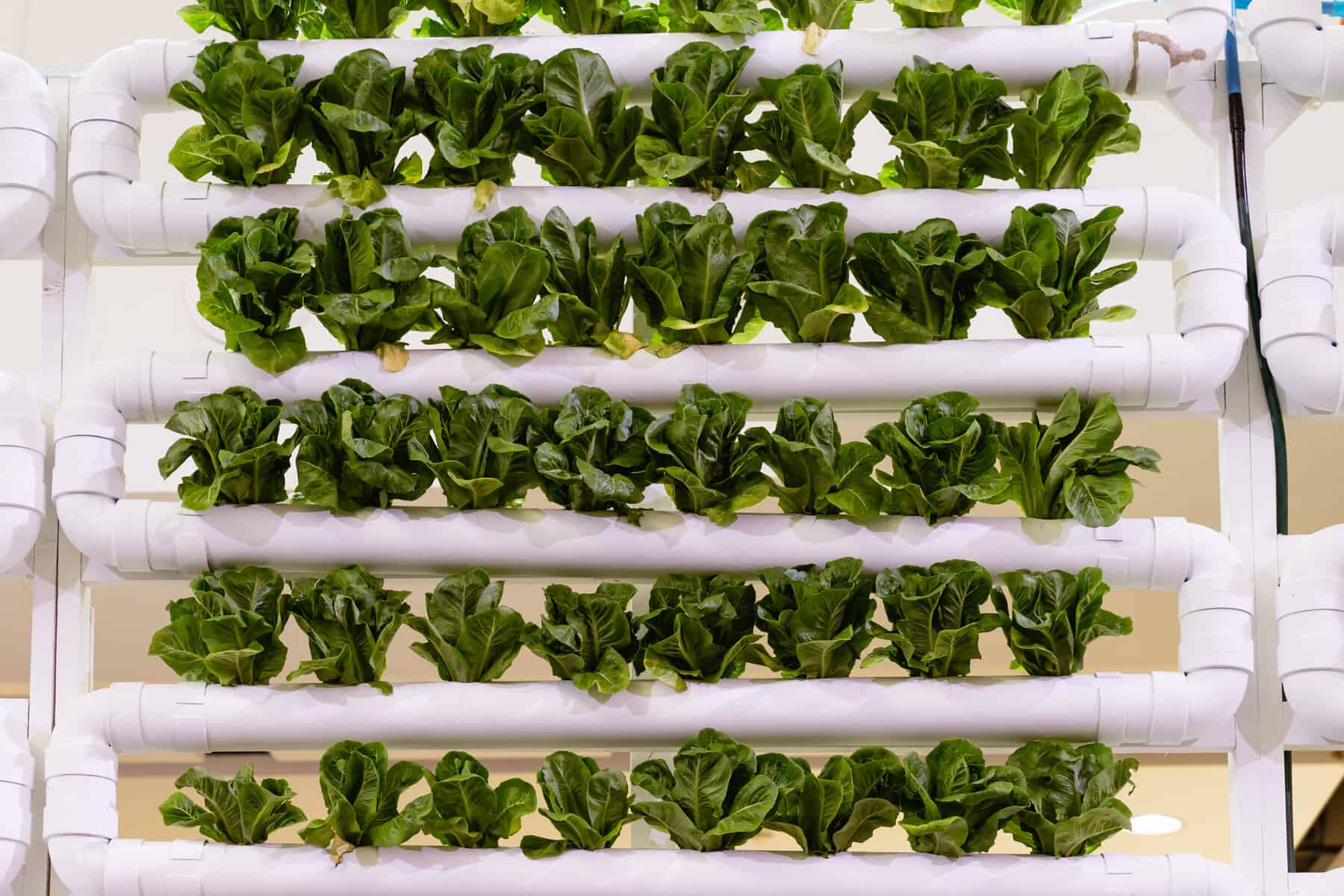
In case you’re unfamiliar with vertical farming, it’s the practice of growing crops indoors in stacked layers, carefully monitored with modern technology. It literally takes the idea of a greenhouse to new levels. Think leafy greens nestled in gleaming towers, herbs hanging out on sleek shelves, and maybe even strawberries or tomato season all year round.
Vertical farming differs from greenhouse farming or hothouse farming because the climate conditions, such as temperature and humidity, are carefully monitored and controlled. The keen use of height with stacks and columns allows the grower to produce a lot more when compared to greenhouses or conventional indoor farming. There are a few different methods for these vertical farms, such as hydroponic farming, aquaponic farming, or aeroponic farming. Regardless of the technique, vertical farming operations are sprouting up worldwide, and they tout some incredible sustainability benefits. Here are just a few.
Responsible Resource Utilization
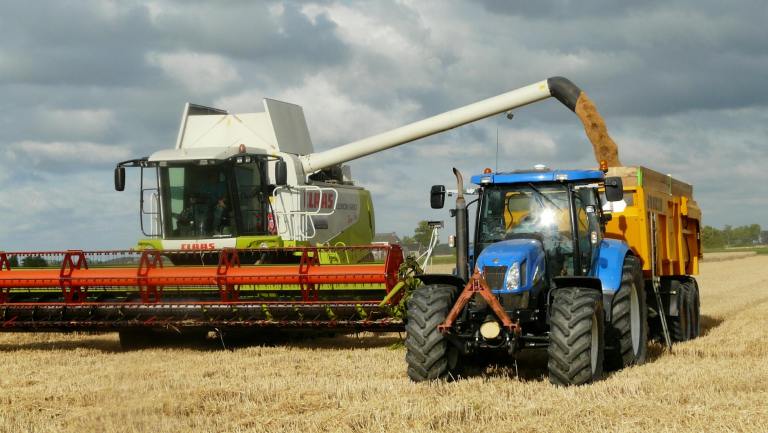
There’s no doubt about it: traditional farming methods can be resource-intensive. From land to water to labor, the inputs needed for conventional farming are threatened each day. Depending on where you are in the world, you may face water restrictions, labor shortages, or infertile land. Indoor vertical farms are efficient use of space for crop production. They use less land than conventional farming methods, and a more compact location means the systems use less water.
Water
When you need to water crops in a field, you need to water the entire area. Even with irrigation, this amount can remain high. In fact, vertical farm companies have found ways to reduce the amount of water needed to produce the same amount of produce with about 95% less water.
The reduction in water usage is primarily attributed to a closed-loop water system, which allows the nutrient-rich water solution to be recycled throughout production. Water reduction is a pivotal advantage, aligning with the imperatives defined in the UN Sustainable Development Goals.

Land & Space
Indoor farms have a significantly reduced land footprint when compared with conventional farms. In fact, they take up 99% less space! This means concerns like deforestation, soil erosion, and biodiversity loss are not typically associated with vertical farming. Many indoor farms have taken over abandoned spaces like warehouses, so we might not even notice them in our own neighborhoods. Vertical stacking in indoor vertical farms optimizes land use, making it a feasible solution for urban settings with limited space. The utilization of less space per square foot compared to traditional farms makes it an attractive proposition for crowded urban environments. The efficient use of urban areas in vertical farming opens new horizons for cultivating crops in spaces previously deemed unsuitable.
Year-Round Crop Production
Eating seasonally is a cornerstone of sustainable food production. The modern grocery store sources vegetables from around the world to ensure our beloved staple crops like tomatoes, eggplant, and blueberries are available all year round. Even if that means shipping them halfway around the world to get to your cart. This not only produces low-quality, unflavored produce harvested before its peak, but produce that has increased carbon emissions from transportation.
One of the advantages of vertical farming is that it eliminates seasonal constraints. The controlled indoor environment provides an ideal setting for cultivating a variety of crops, including leafy greens and tomatoes, throughout the year. Vertical farmers have systems that enable the continuous cultivation of crops, ensuring a consistent and higher productivity rate. Because of it’s ability to produce crops year-round compared to a seasonal crop, vertical farms can produce up to 240 times more than that of traditional farms! They can monitor which conditions produce the best crops, allowing for superior locally sourced fresh foods.
Climate Control and Crop Optimization
One of the key benefits of indoor farming is the climate-controlled environment. Farmers have Precision control of environmental factors, from humidity levels to artificial lighting, optimizes plant growth and ensures enhanced crop quality. One company, Cellular Farms, is even monitoring the nutrients in their crops so they can determine the best time for harvesting!
The consistent climate control in vertical farming systems minimizes the impact of adverse weather conditions on crop production. Some crops like broccoli and radish are even able to be produced in such a way that their nutrients are higher than what you would get in the field. With precise control over temperature, humidity, and even CO2 levels, vertical farms can help us mitigate changing climates.
Reduction in Pesticide Usage
The controlled indoor environments in vertical farms minimize pest threats, reducing the dependence on chemical pesticides. The result is cleaner produce with fewer chemical residues, aligning with the growing demand for organic and sustainable food. It’s still a good idea to wash your produce regardless of how it’s grown!
Locally Sourced Fresh Produce
Historically, vertical farms look at urban areas for production. This helps alleviate the issue of food deserts, which are areas that have no fresh produce available within five miles. The proximity to densely populated areas reduces transportation costs and emissions. It also fosters a sense of food security within urban centers. This vertical farm-to-table approach can be used to supply local communities and restaurants with delicious, nutritious foods in a reduced amount of time. Vertical farming addresses the issue of food miles, promoting local agriculture and connecting urban communities with fresh, locally grown products.

Employment Opportunities and Economic Growth
Local farms in urban communities create new jobs for people that live in the community that people may not have had access to before. The creation of jobs in urban areas through vertical farming contributes to economic development and bolsters the agricultural sector. It’s notable that since these farms operate all year round, the employment is more stable and year round as well. As the industry grows, it becomes a significant player in sustaining and employing urban populations.
Energy Efficiency and Renewable Integration
Of course, no farming method is perfect. Vertical farms can be energy-intensive, especially if they rely on fossil fuels. But the good news is, the technology is constantly evolving, with renewable energy sources like solar and wind power becoming increasingly integrated. Implementation of sustainable energy sources, such as renewable energy, reduces the overall carbon footprint of vertical farming practices. The goal for many vertical farming companies is to move away from fossil fuels and establish closed-loop systems that harness excess energy for the benefit of the growing environment.
Technological Innovations & Future Potential in Farming
While the space is still relatively new, there are technological advancements happening everywhere. The integration of smart technologies, automation, and data-driven approaches in vertical farming ensures efficient operations. Cellular Farms actually farms on pallets so it makes shifting the crops from one location to another easy enough to do with a forklift. They also ensure their system is composed of parts readily available in market like pallets and other equipment to prevent supply chain disruptions.
This convergence of technology with agriculture propels the industry towards a future where innovation plays a pivotal role in food production. There is ongoing exploration of new crops and varieties, coupled with continuous research. It propels the evolution of vertical farming techniques and methods. The commitment to research and development positions vertical farming as a key player in shaping the future of agriculture for the benefit of future generations.
Vertical Farming Benefits Can Create A Sustainable Future
The future of food is looking up, literally! And as sustainable foodies, we can all play a role. Support local vertical farms, ask your favorite restaurants about their sourcing, and keep an eye on this exciting innovation. From reduced resources, to year round crop production, to environmental controls, to the ability to harvest at peak freshness, vertical farming presents many benefits and untapped potential. Don’t forget to check out Cellular Farms for a unique view on the technological advancements in vertical farming.

Special Thanks to our Post Sponsor, Cellular Farms
Discover more from made to sustain
Subscribe to get the latest posts sent to your email.