Why Mushrooms are the Future of Sustainable Food

As the food and agriculture industries face droughts, pests, and surging prices from climate change, there's a growing demand for sustainable agriculture. The mighty mushroom has emerged as a shining example of how we can produce nutritious food with minimal environmental impact. While there are many health benefits and emerging studies about functional mushrooms, we're exploring why mushrooms are a sustainable solution.
In the United States, food production is a major contributor to carbon emissions. Mushroom farming has become a sustainable alternative that benefits both human health and the environment. But what makes mushrooms such a sustainable food source? Let’s dive into their production process, environmental impact, and the potential they hold for future generations.
What Makes Mushrooms Sustainable?
Fungi are getting a lot of attention these days for their health benefits. But aside from that, why are mushrooms a sustainable option to adopt into our diets? From their nutritional profile to their low carbon footprint to their ability to reproduce in short amounts of time, mushrooms offer many endurable benefits.
Nutritional Value and Health Benefit
Mushrooms are not only a good source of protein, but they also provide a wealth of health benefits. Shiitake mushrooms, for example, are known to support the immune system, while lion's mane is celebrated for its cognitive-boosting properties. Psilocybin mushrooms have recently been used in controlled environments for treatments of mental disorders like OCD and PTSD. Our friends over at Wise-Bar are exploring ways that you can make a difference with a daily dose of mushrooms. Whether you’re enjoying oyster mushrooms in a stir-fry or incorporating button mushrooms into a soup, edible mushrooms are packed with vitamins and minerals that positively contribute to human health.
Low Environmental Footprint
When it comes to sustainable ingredients, one of the most significant advantages of mushroom cultivation is its low environmental impact. Traditional agriculture can require large tracts of land and massive amounts of water. A stark contrast, the production of a pound of mushrooms takes up significantly less water, land, and energy.
On average, mushroom farms use only 1.8 gallons of water, 1 kWh of energy, and just over a square foot of space to produce a pound of button mushrooms. Compare that to raising livestock, which demands far more resources, and you’ll see why below.
In addition, mushroom farmers utilize agricultural byproducts such as corn cobs, coffee grounds, and even chicken litter as growing substrates. As they grow, the mushroom substrate breaks down the products, reducing food waste and creating a circular economy. This practice of turning waste products into resources helps minimize the use of fossil fuels and keeps unnecessary materials out of landfills. The mighty mushroom thrives in environments that would otherwise be inhospitable to most crops. Its ability to grow on organic matter makes it an efficient and sustainable food source for climate change.
Economic and Social Sustainability
In recent years, there has been a growing interest in local and sustainable food systems. Small farmers in the mushroom industry have been quick to respond. Mushroom farms in the United States contribute to local economies by providing jobs and supporting local farmers. Farms can be found in both rural and urban areas, where they often operate out of mushroom houses that maximize space efficiency. The annual average yield of mushrooms per acre of land is high, making mushrooms an economically viable crop for small-scale producers.
One of the more interesting developments in the industry is the rise of gourmet mushrooms like shiitake and oyster mushrooms. These varieties are increasingly found in grocery stores, restaurants, and farmer’s markets. These edible fungi not only add textural and flavor variety to our plates but also offer consumers a way to support small businesses.
Reducing Carbon Emissions and Water Usage
One of the key reasons why mushrooms are considered one of the most sustainable foods is their efficient resource management. The production of a pound of mushrooms generates fewer greenhouse gas emissions compared to meat or dairy. Mushroom growers often recycle the water and nutrients used in the growing process. For example, producing a pound of button mushrooms emits far less CO2 equivalent than producing a pound of beef. In fact, mushroom cultivation emits only about 0.7 kg of CO2 per pound of mushrooms, compared to the 27 kg CO2 equivalent emissions per pound of beef.
Mushroom farmers also excel in water usage. To grow a square foot of mushrooms, farms use just 1.8 gallons of water, a stark contrast to the thousands of gallons required to grow the same amount of beef. This makes mushrooms a great example of how we can reduce our carbon footprint and conserve precious resources while still producing food that nourishes the global population.
Fun Facts about Mushrooms
Before we understand why mushrooms are the future of food, it's important to explore the benefits of the mighty mushroom.
Mushrooms can be grown indoors and outdoors, meaning they are harvested year-round. They double in size every 24 hours, which makes growing and harvesting them a very quick process. Mushrooms are 90% water but are nutrient-dense in their remaining 10%, with fiber, protein, and other micronutrients. This means they don't need much land to grow and can even grow in the dark!
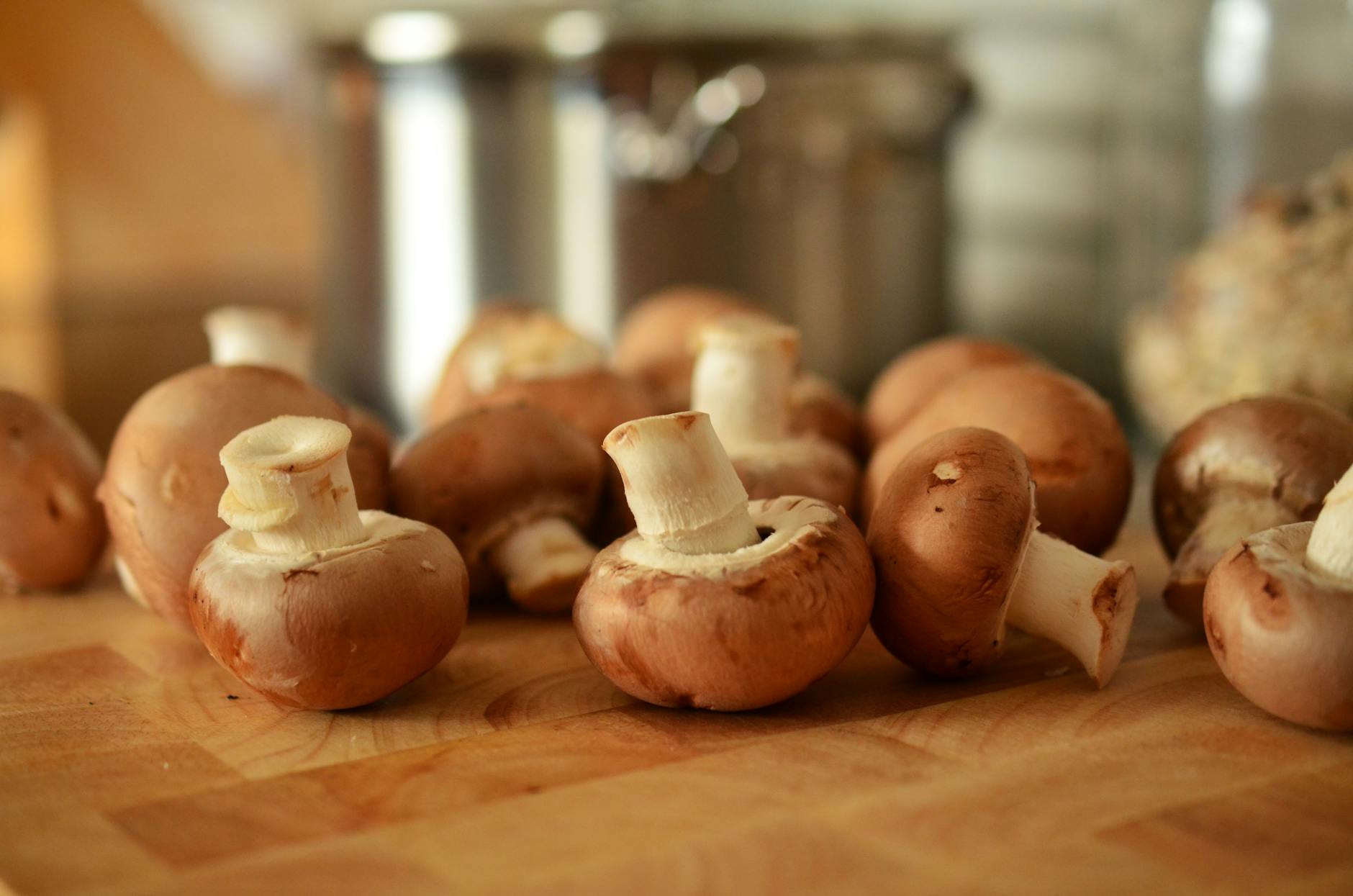
The most popular mushroom variety grown in the U.S. is white button, followed by crimini (brown or baby bellas), portabellas, enoki, oyster, maitake and shiitake. To prolong their shelflife, store your mushrooms in original packaging or in a porous paper bag. It's important to prevent them from drying out to preserve their texture. To clean mushrooms, brush off any debris with your fingers or a damp towel. You can pat dry with a paper towel. You can also quickly submerge them in water to rapidly remove any remaining dirt or materials from mushroom production.
Innovations and Future Possibilities
Beyond their use as food, mushrooms are also being explored as materials for sustainable products. Brands like Stella McCartney and Bolt Threads are creating vegan leather from mycelium, the root-like structure of mushrooms, offering a sustainable alternative to traditional leather production. This development could revolutionize the fashion industry and significantly reduce its reliance on fossil fuels and synthetic petroleum-derived materials.
In addition, companies are experimenting with mycelium packaging, a biodegradable option that could replace plastic packaging. These innovations demonstrate that our fungal friends have the potential to contribute to climate action and reduce waste across multiple industries.
Mushrooms are a Sustainable Ingredient
Mushrooms have proven to be one of the most sustainable foods we can grow and consume. From their low environmental impact to their health benefits, mushrooms offer a path toward more sustainable agriculture. With mushroom cultivation requiring far less water, land, and energy than traditional crops, it's no wonder that the mushroom sustainability story is gaining momentum.
As the demand for eco-friendly and sustainable products continues to rise, the mighty mushroom stands as a beacon of hope for the future of sustainable farming. Whether you’re enjoying fresh mushrooms at your local market or supporting mushroom farmers by purchasing gourmet mushrooms, every small choice contributes to a larger movement toward a healthier planet.
Discover more from made to sustain
Subscribe to get the latest posts sent to your email.