Can You Eat Plant Based Meat Raw? Food Scientist Weighs In

While you’re trying to eat a climate-friendly diet, plant-based meat might be an item on your grocery list. Companies like Beyond Meat and Impossible Foods have done an excellent job educating the public on the environmental impact of conventional animal agriculture. They've also both introduced plant-based foods that can be enjoyed outside of a plant-based diet. But one question that hasn’t been fully addressed is – can you eat plant-based meat raw?
As both a food scientist and a sustainability advocate, the rise in plant-based meats over the past several years is really impressive! Although the market has been in flux, the products have had a lasting impact. You may have even seen a documentary on the subject. Many people are still limiting the amount of animal products for various health benefits or weight loss. As new plant-based products and improvements on old products continue to enter grocery stores and restaurants, one question is still on people’s minds: “Can you eat plant-based meats raw?” or the common misconception, “Since it's plant-based, it must be safe to eat raw. I mean, it doesn’t have meat in it.” I want to dispel these myths today.
People have been warned about the safety of cooking raw meats for a long time. Although there are contradictions like Beef Tar-tar, duck liver pate, or ceviche, there aren’t many clear guidelines outside of the package directions. Today, I want to share my perspective on the rationality of cooking techniques for plant-based meats. Because if you’re going to opt out of the animal agriculture system, even if just for one meal, you might as well understand how to prepare it correctly.
What is Plant Based Meat Made from?
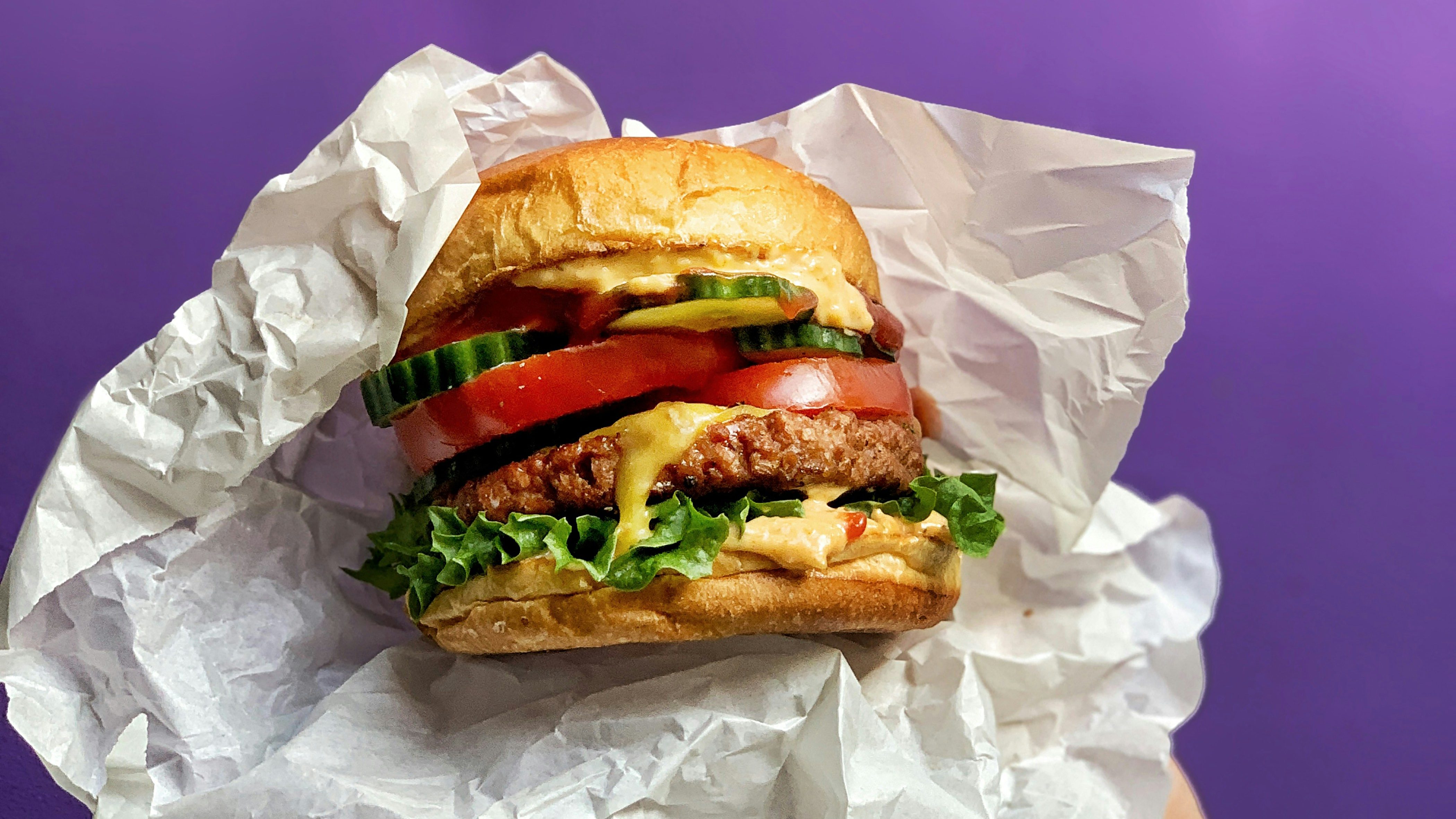
To start understanding how to cook plant-based meat, it’s important to realize what it’s made of. Plant-based meat alternatives like plant-based burgers, ground meat alternatives, and meatballs are very processed. Typically, they mimic the texture and appearance of animal proteins by swapping animal ingredients for structured plant proteins. Each individual ingredient is processed before it reaches the manufacturing facility, so they are deemed food-safe when they are manufactured.
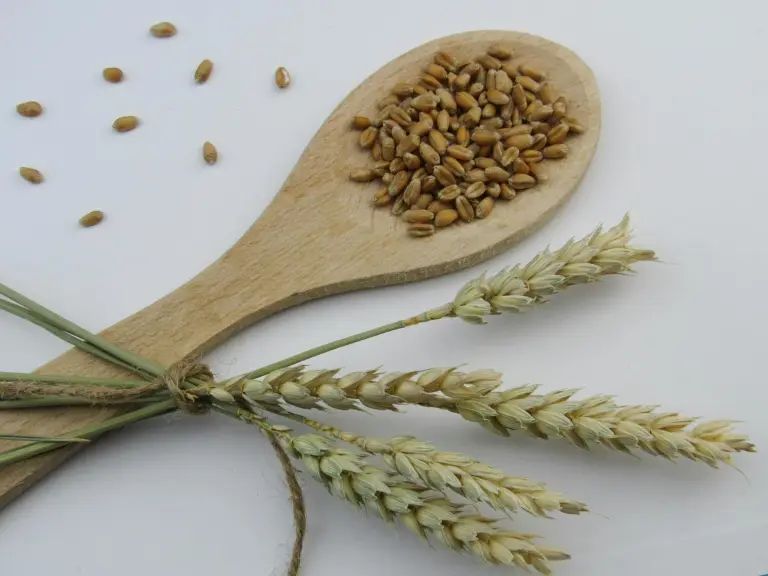
Common plant-based proteins include soybean protein, pea protein, wheat gluten (seitan), rice protein, lentils, and even mushrooms can be used alone or in combination. Then, they are mixed with other ingredients like starches, flours, or gums. These bind them together and get the right texture and appearance. Finally, the protein and starch mixture is combined with healthy fats like coconut oil, cocoa butter, or avocado oil to mimic the texture and mouthfeel of meat. Additional ingredients like beet juice extract, natural flavors, Red 40, or other spices are mixed in. These can further enhance the meaty experience, all while remaining entirely plant-derived.
Food Safety Concerns of Plant-Based Meat and Other Raw Food
Now that you know what plant-based meat is made from, it’s time to get into some food safety. Traditional meat poses risks of bacterial contamination, such as salmonella, E. coli, or other pathogens. Plant-based meat is generally considered to have a lower food safety risks for raw consumption. Even if they are consumed raw, each ingredient is processed before it’s turned into plant-based meat.
However, it's crucial to consider other potential risks associated with raw foods overall. There's a health halo associated with the raw food diet or even a raw vegan diet. Social media portrays it as healthier and better for you. But the best diet is a mix of raw and cooked produce and is safe to eat.
There’s a very important step in food manufacturing called a kill step. This means heating food to a high enough temperature for a certain amount of time to kill off harmful bacteria like E. coli or salmonella. Raw foods do not go through this step, so there is more risk for food intoxication or food poisoning. This is why things like lettuce and spinach are always having recalls.
Why You Should Cook Plant-Based Meat
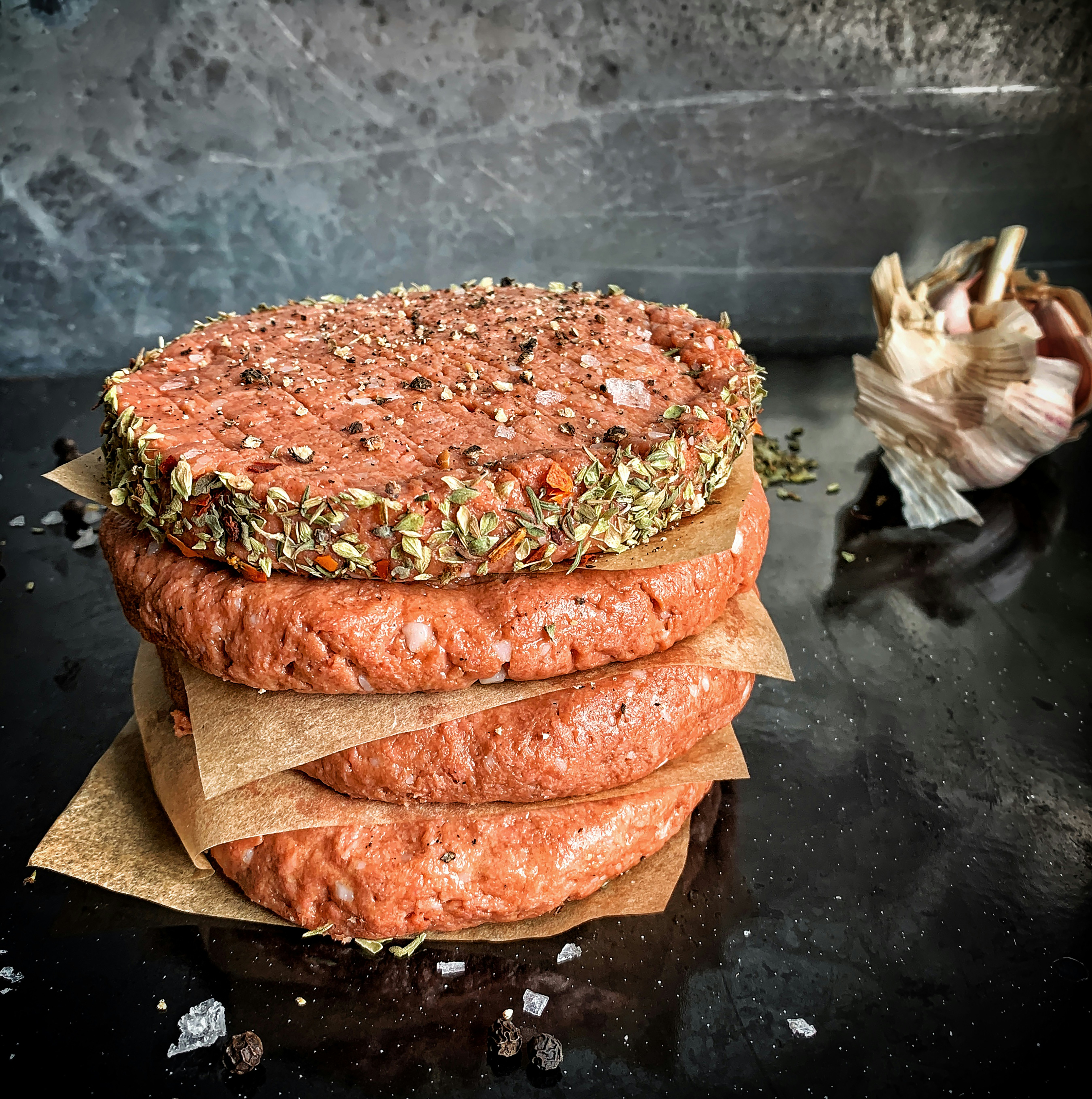
With these concerns, I recommend you cook your plant-based substitutes and do not eat them raw. Food scientists formulate food products with very specific preparation instructions in mind. Most plant-based meat products are designed to be cooked before eating, which will affect the taste and texture of the product. Eating raw plant-based meats might be bland, mushy, or unpleasant.
Cooking plant-based burgers and other meats not only enhances the flavor but also minimizes any potential risk of foodborne illness. Be sure to follow the cooking instructions on the packaging. Ensuring you cook the product thoroughly to a certain internal temperature – typically 165F. These recommendations prioritize both taste and food safety.
The Best Way to Cook Plant-Based Meat
Whether you choose to eat Beyond patty, Impossible products, or other plant-based alternatives, there are a few different ways in which you can prepare the burger patties or the other plant-based beat options. You can cook them on a grill, bake them in the oven, or in a frying pan over medium to high heat. Just like traditional beef burgers, make sure you cook them to 165F to kill off any potential food-borne illnesses. The best way to cook them is according to the package instructions.
Other Considerations for Raw Foods
While it may be tempting to eat raw foods, here are a few considerations for eating uncooked foods. Here’s a few food safety tips.
Avoid Cross Contamination
Even if your food is properly cooked, you can still get sick from cross-contamination. Cross-contamination occurs when food pathogens come into contact with food that is ready to eat. For example, if you’re cooking real meat burgers on the same grill or surface as plant-based meat burgers, there is a high potential for cross-contamination. Be sure both are cooked to 165F to avoid food-borne illnesses. Always wash your hands with soap and water after you touch raw meat. Finally, make sure you use different utensils and plates for cooked meats and raw meats – both plant-based and animal meat.
Wash Your Produce
Washing your produce is a crucial step to prevent cross-contamination in the kitchen. Even fruits and vegetables that seem clean can harbor bacteria, viruses, and parasites from soil, water, or handling during transport. When you chop or peel these items, these contaminants can spread to your knife, cutting board, and other utensils. If you then use these contaminated tools to prepare other ingredients, like cooked meat or ready-to-eat salads, the harmful microbes can transfer, increasing your risk of foodborne illness. Taking a simple moment to wash your produce under running water significantly reduces these risks and helps ensure a safe and delicious meal.
Follow Cooking Instructions
Following the package instructions when cooking plant-based meat is crucial for two main reasons: safety and taste. While these alternatives are derived from plants, they can still harbor bacteria during processing and packaging. Cooking to the recommended temperature ensures this bacteria is destroyed, preventing foodborne illness. Additionally, plant-based meat is formulated for optimal taste and texture after cooking. Skipping this step might leave you with a bland, mushy product that doesn't deliver the satisfying experience it's designed for. So, always follow the cooking instructions for a safe and delicious plant-based meat experience!
Final Thoughts on Eating Raw Plant Based Meat Raw
While plant-based meat is generally safer to consume raw compared to traditional animal meat, it's essential to consider factors such as manufacturing processes, cooking recommendations, and personal preferences. While some individuals may choose to incorporate raw plant-based meat into their diets for culinary experimentation, it's crucial to prioritize safety and freshness. Whether you choose to eat raw or cooked plant-based meat, enjoying it as part of a balanced diet rich in fruits, vegetables, and whole grains is key to reaping its nutritional benefits. The future of plant-based meat and other plant-based ingredients continues to evolve, it will always be a good idea to cook it.
Discover more from made to sustain
Subscribe to get the latest posts sent to your email.