Best Ecofriendly Cookware: A Review of Non-Toxic Pots & Pans

Some cookware contains toxic chemicals like heavy metals and harmful substances that can cause health issues. These can leach into food during the cooking process, particularly at high temperatures or high heat conditions. Choosing ecofriendly cookware and kitchen equipment made from sustainable, natural, and non-toxic materials protects both ecosystems and human health. It's a good idea for home cooks seeking longevity and safer kitchen practices to choose ecofriendly cookware.
Why EcoFriendly Cookware Matters More Than Ever
The modern kitchen is evolving. Consumers are paying closer attention to the environmental impact of everyday items. Sustainable cookware has become a major focal point. Cookware production often relies on energy-intensive extraction of raw materials. This exacerbates environmental degradation and increases greenhouse gas emissions. The materials used to manufacture pieces of cookware often determine their safety, durability, and ecological footprint.
Top Picks Summary: Friendly Cookware Options Worth Considering
Several products consistently rank among top picks for sustainability and performance:
- Cast iron skillets and dutch ovens
- Stainless steel multi-ply stainless steel pots
- Ceramic cookware utilizing advanced non-toxic ceramic coating
- Carbon steel professional-grade skillets
- Multifunction cookware sets designed to replace multiple kitchen tools
Investing in durable, responsibly manufactured cookware supports environmental stewardship and protects your long-term health.
Understanding the Risks of Conventional Non-Stick Cookware
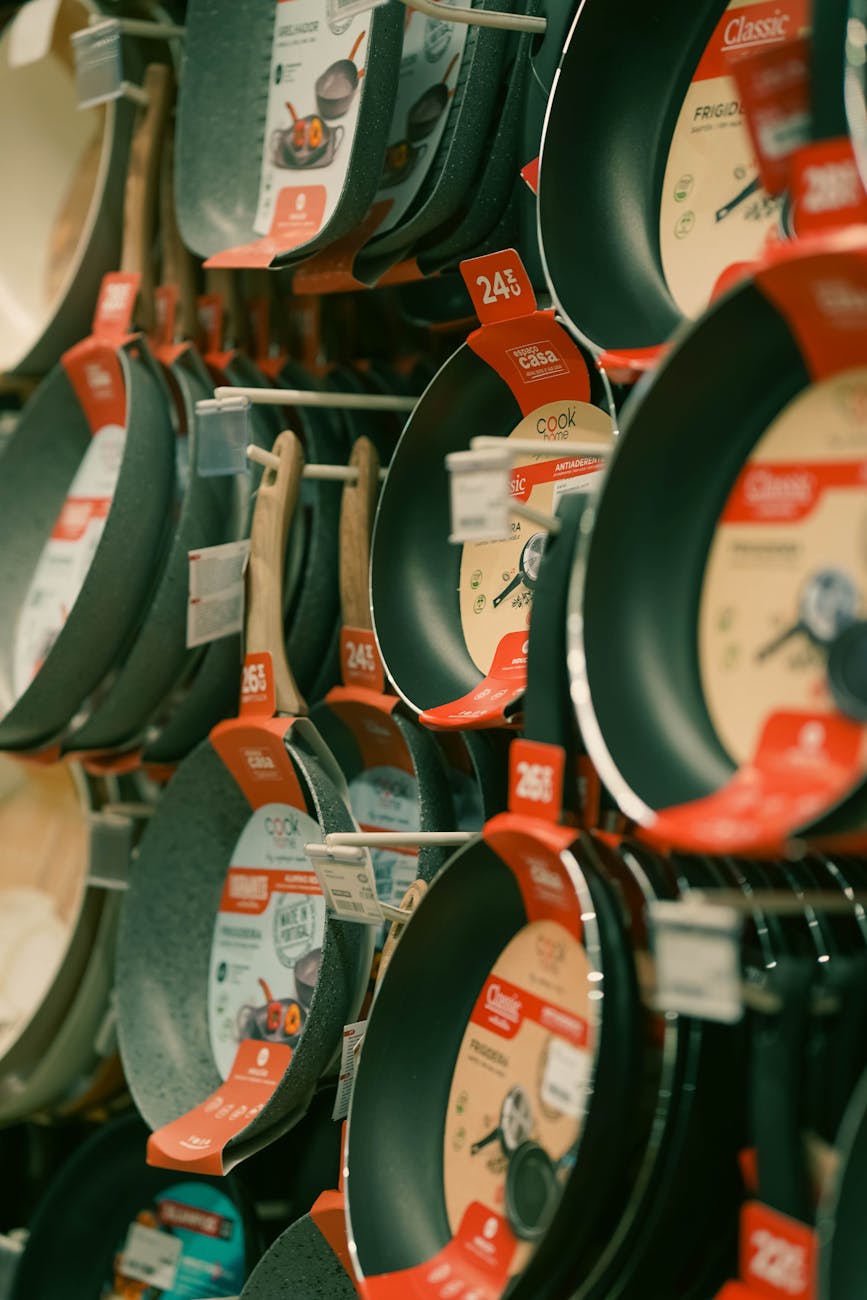
Many non-stick pans and nonstick cookware rely on synthetic coatings derived from compounds such as perfluorooctanoic acid (PFOAs). These were historically used in Teflon cookware. When exposed to high heat, these coatings may release toxic compounds or harmful chemicals. This is especially true if the cooking surface is scratched with a metal utensil.
Research highlights the potential health risks associated with prolonged exposure. According to a review by Grandjean and Clapp (2015), PFOA exposure is linked to immune suppression, endocrine disruption, and increased cancer risks. Similarly, investigations into microplastic contamination have demonstrated how degraded coatings from Teflon pan surfaces contribute to microplastic particles. As a result, it may accumulate in human tissue (Leslie et al., 2022).
These findings emphasize why the best non-toxic cookware brands now emphasize greener non-stick coatings and safer alternatives.
Stainless Steel Cookware: Durable and Timeless
While they can be a big of an investment, stainless steel is a great option for non-toxic and ecofriendly cookware. Stainless steel cookware is a cornerstone among types of cookware known for longevity and safety. High-quality stainless steel pots, stainless steel pans, and saute pans frequently incorporate an aluminum core to enhance heat distribution and excellent heat conductivity.
The presence of stainless steel handles also improves durability and safety during normal use, especially on induction cooktops. Unlike aluminum cookware, properly constructed stainless steel heats food evenly and efficiently.
Although stainless steel typically requires more oil, such as vegetable oil, to prevent sticking, it remains a great option for cooks seeking safe cookware with minimal exposure to toxic chemicals.
Cast Iron Cookware: Traditional Strength Meets Sustainability
Cast iron cookware has been treasured for centuries. Cast iron pans, dutch ovens, and skillets deliver unparalleled heat retention and resilience. When properly seasoned and maintained with proper care, cast iron can last generations.
Lodge Cast Iron
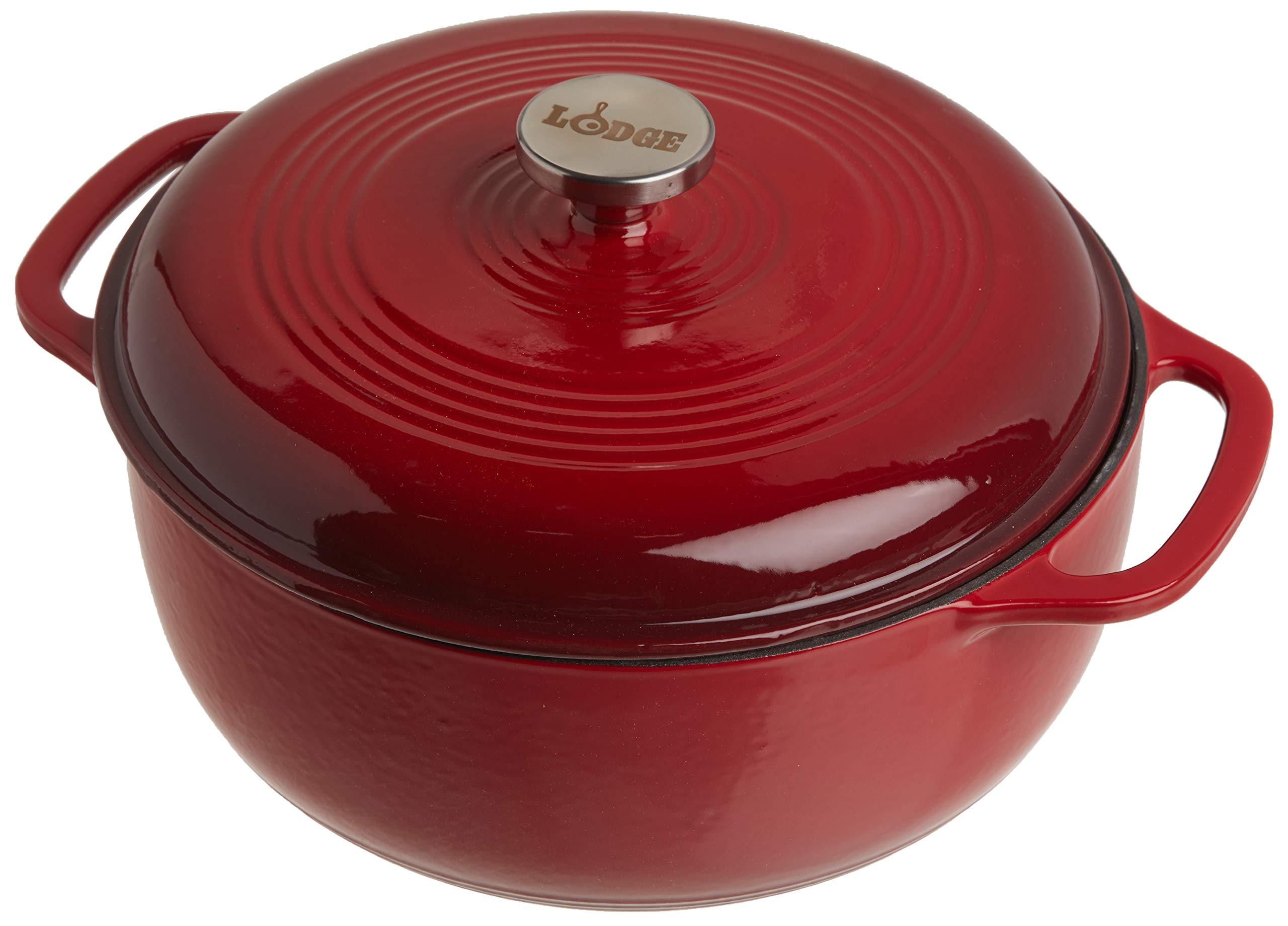
Manufacturers like Lodge utilize recycled iron and focus on reducing manufacturing waste. Their products withstand metal utensils, eliminating the fragility associated with ceramic-coated cookware and many nonstick pans. These quality pieces offer exceptional longevity as long as they are cared for properly.
A downside of cooking with cast iron is that it can be heavy to carry or maneuver. Be careful about cooking very acidic dishes in them as it can ruin the seasoning.
Shop Lodge Cast Irons Here
Enameled Cast Iron: Beauty and Functionality
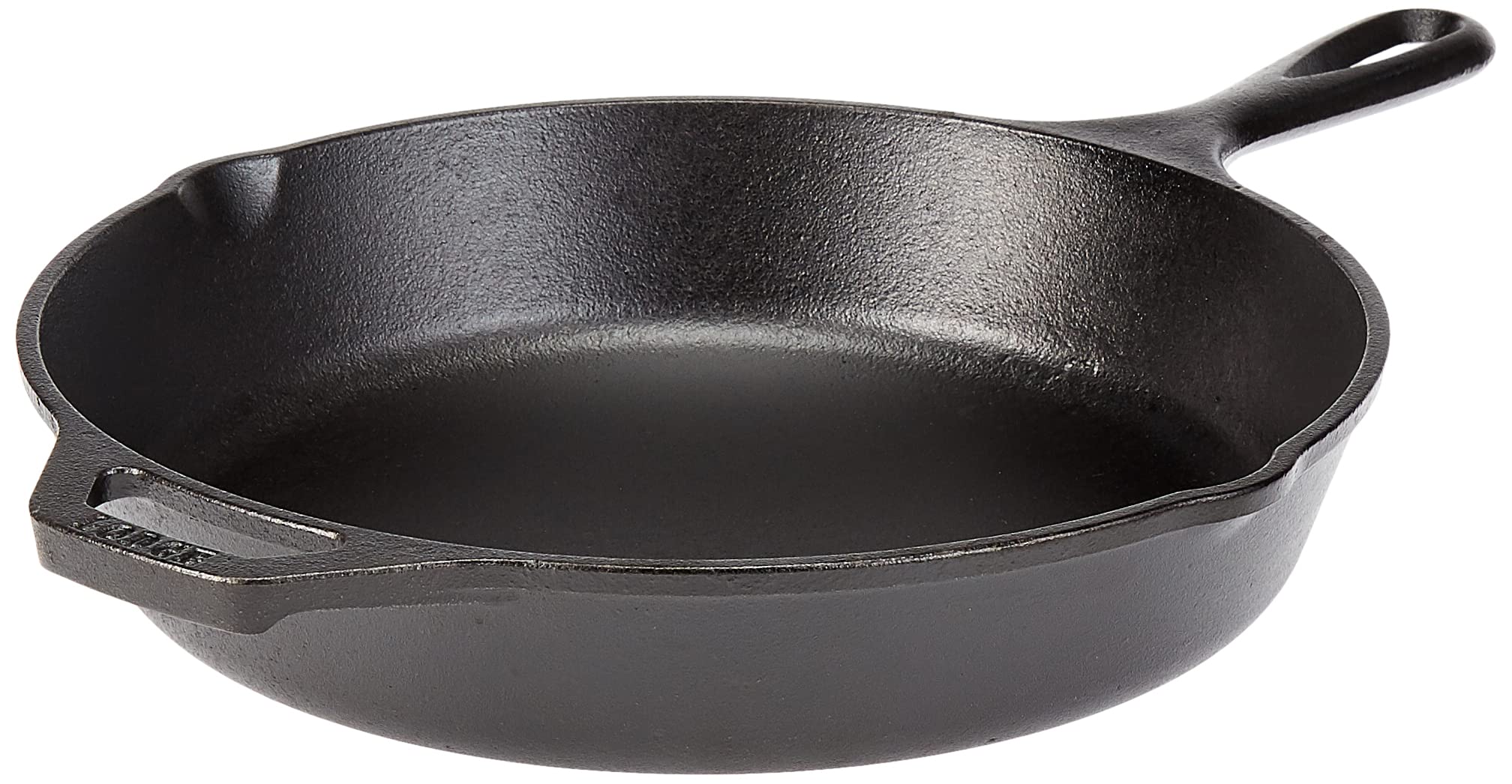
Enameled cast iron combines durability with corrosion resistance. The vitreous coating prevents rust and removes the need for seasoning, while maintaining superior heat distribution.
Le Creuset is a notable brand, but it requires a hefty investment. If you can find it used, even better!
Products from Le Creuset, particularly their iconic Dutch ovens, demonstrate how enameled cast iron can function as both aesthetic kitchenware and a friendly cookware set component. These vessels handle high temperatures efficiently and resist chemical leaching, making them a great choice for eco-conscious consumers.
Carbon Steel Cookware: The Professional’s Secret Weapon
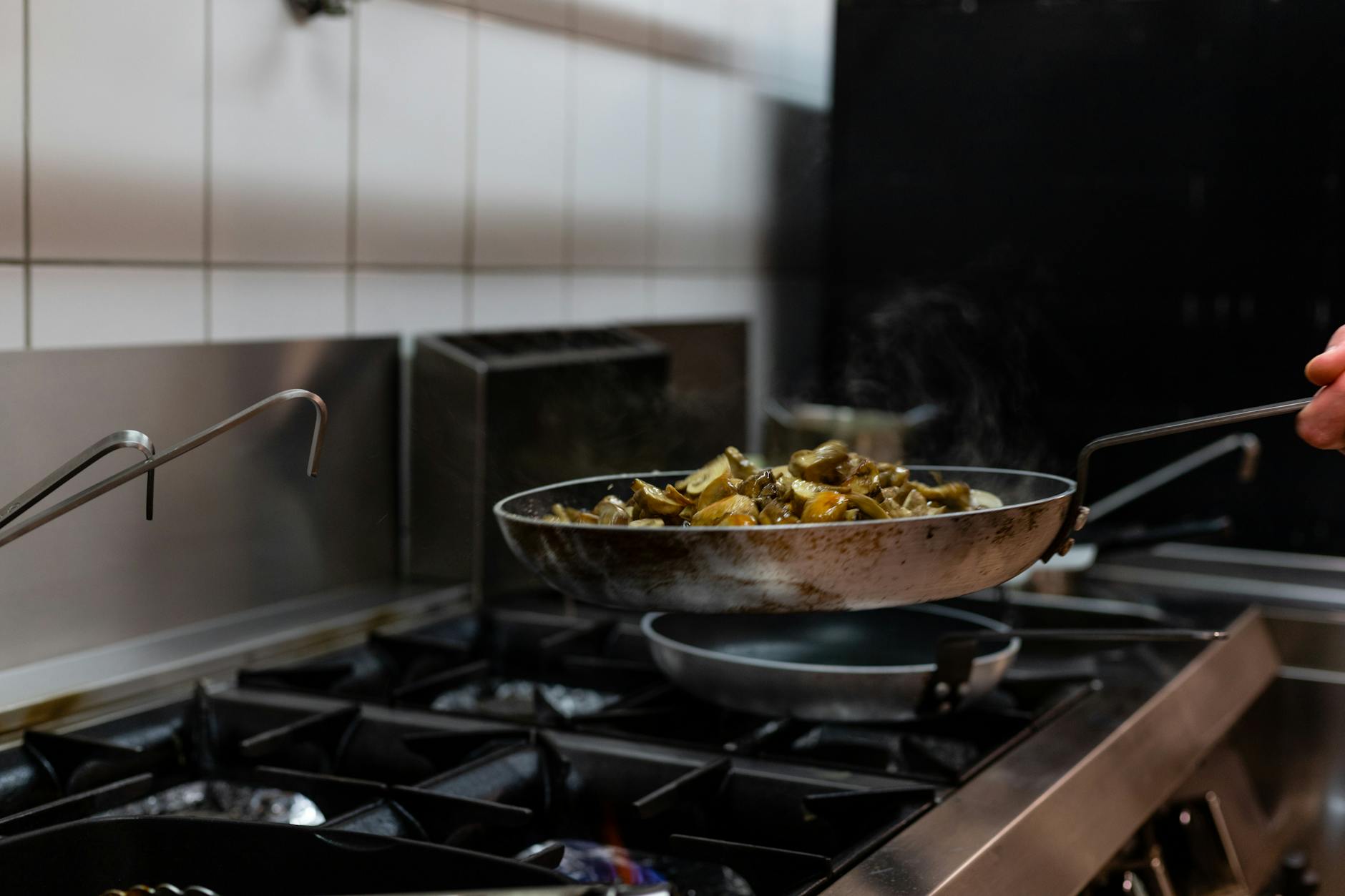
Carbon steel offers a compelling hybrid between cast iron and stainless steel. It heats quickly, tolerates high heat, and develops natural non-stick properties over time.
Compared with traditional cookware, carbon steel is lighter and easier to maneuver. It performs exceptionally well as a frying pan and is widely used in restaurant kitchens. When seasoned correctly, it reduces the need for synthetic coatings, supporting sustainable cookware goals. Carbon steel is a great option, but I prefer stainless steel.
Aluminum Cookware: Evaluating Performance and Sustainability
Aluminum cookware offers remarkable heat distribution and fast thermal response. Many modern designs utilize anodized surfaces or sandwich construction with stainless layers to prevent metal leaching.
Still, environmental concerns arise from aluminum mining and smelting, which demand significant energy input. Choosing recycled aluminum or cookware with durable protective layers reduces overall environmental burdens and enhances product lifespan.
Ceramic Cookware and Pure Ceramic Solutions
Ceramic cookware has surged in popularity due to its non-toxic ceramic coating and absence of PFAS chemicals. High-quality pure ceramic cookware, made entirely from ceramic materials, eliminates concerns regarding toxic metals or polymer degradation. It's a great transition if you're used to cooking with non-stick cookware.
However, durability varies widely. Inferior ceramic-coated cookware may chip or degrade over time, especially when subjected to metal utensils or extreme temperature changes. Selecting reputable brands ensures greater longevity.
Non-Toxic Ceramic-Coated Cookware: The Modern Non-Stick Alternative
Innovations in green non-stick coatings have created safer alternatives to teflon cookware. Many brands now advertise PFAS-free and PFOA-free surfaces.
Caraway
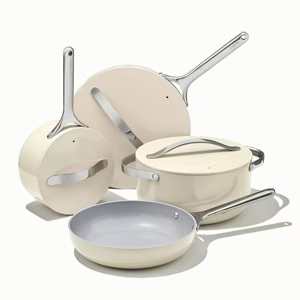
The caraway cookware set exemplifies the modern movement toward friendly options and stylish kitchen design. These products frequently provide free shipping, durable construction, and enhanced food release properties, allowing cooking with less oil. However, their durability and longevity in the kitchen is something to be explored.
Design-Forward Sustainable Cookware Brands
Great Jones
Great Jones blends aesthetic appeal with functional sustainable cookware. Their saute pans, stockpots, and ceramic-coated skillets rely on responsibly sourced components. Their products balance usability and sustainability, making them particularly appealing to younger home cooks seeking visually engaging kitchen tools.
Our Place
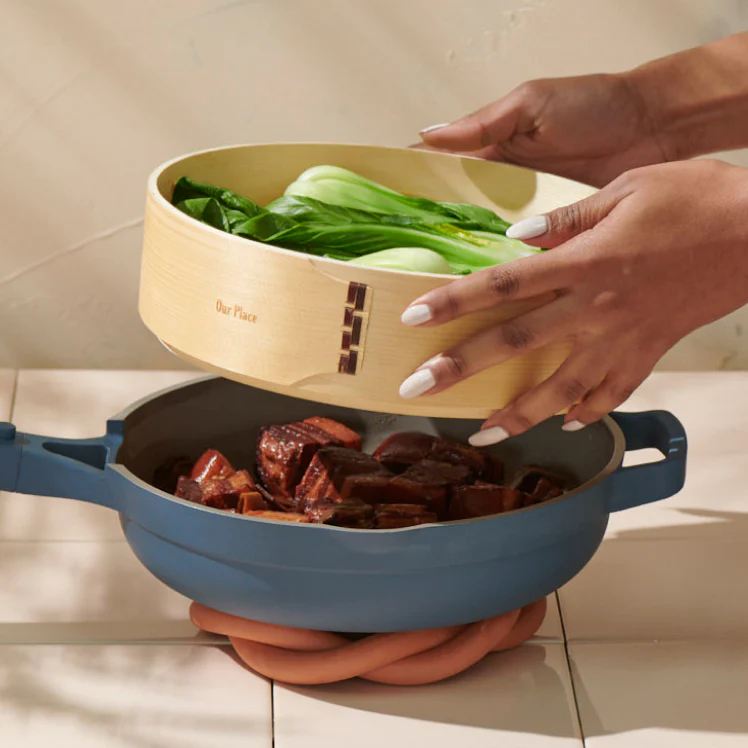
Multifunctional products such as the always pan and perfect pot reduce the need for numerous pieces of cookware, lowering consumption of raw material and manufacturing emissions. These designs are frequently marketed as space-saving and environmentally considerate, providing a good option for smaller kitchens and sustainability-minded households.
Things to consider when looking at EcoFriendly Cookware
Heat Conductivity and Cooking Performance
Performance remains central when evaluating the best eco-friendly cookware. Materials with excellent heat conductivity, such as copper-layered stainless steel and aluminum-core constructions, ensure consistent results.
Even heat minimizes burning and uneven cooking. It also reduces energy consumption during meal preparation. Efficient cookware supports faster cooking times and better nutrient retention.
Induction Cooktops and Eco-Friendly Compatibility
Induction cooking systems are rapidly expanding due to energy efficiency and precise temperature control. Cookware compatible with induction cooktops typically requires ferromagnetic bases, which stainless steel and cast iron naturally provide.
Pairing efficient stovetops with safe cookware reduces overall household energy use. It also promotes safer kitchens, since induction generates heat directly within cookware rather than the surrounding air.
Proper Care and Maintenance for Longevity
Longevity determines true sustainability. Routine hand washing, correct seasoning, and avoidance of abrasive detergents preserve cookware surfaces and prevent premature disposal.
Replacing old pots and old cookware prematurely increases waste and resource consumption. Maintaining cookware properly extends lifespan, reduces environmental strain, and preserves cooking performance.
Evaluating Safety Certifications and Regulatory Standards
Consumers should review disclosures related to California Prop 65 warnings and manufacturing transparency. These certifications help identify potential exposure to harmful chemicals or toxic metals.
Many reputable brands conduct extensive material testing and provide transparency regarding non-toxic materials, coating technologies, and manufacturing practices.
Personal Preference and Cooking Style Considerations
Selecting the best cookware depends heavily on personal preference, cooking habits, and kitchen setup. Some cooks favor traditional cookware like cast iron, while others prefer lightweight ceramic or stainless options.
Durability, weight, maintenance requirements, and cooking versatility all influence purchasing decisions. There is rarely a single universal solution, making cookware selection a personalized journey.
The Best Ecofriendly Cookware is one that fits your needs
With so many different types of ecofriendly cookware to choose from, be sure to pick one that fits your everyday needs. If you're a novice chef, ceramic pans might be a great transition from nonstick cookware. If you're looking for something that lasts, stainless steel, carbon steel, and cast iron are the way to go. Cook type is also an important factor, so keep in my what type of stove you have. Depending on your budget and needs, you're sure to find something you need.
References
Grandjean, P., & Clapp, R. (2015). Perfluorinated alkyl substances: Emerging insights into health risks. New Solutions: A Journal of Environmental and Occupational Health Policy, 25(2), 147-163.
Leslie, H. A., van Velzen, M. J. M., Brandsma, S. H., Vethaak, A. D., Garcia-Vallejo, J. J., & Lamoree, M. H. (2022). Discovery and quantification of plastic particle pollution in human blood. Environment International, 163, 107199.
Discover more from made to sustain
Subscribe to get the latest posts sent to your email.