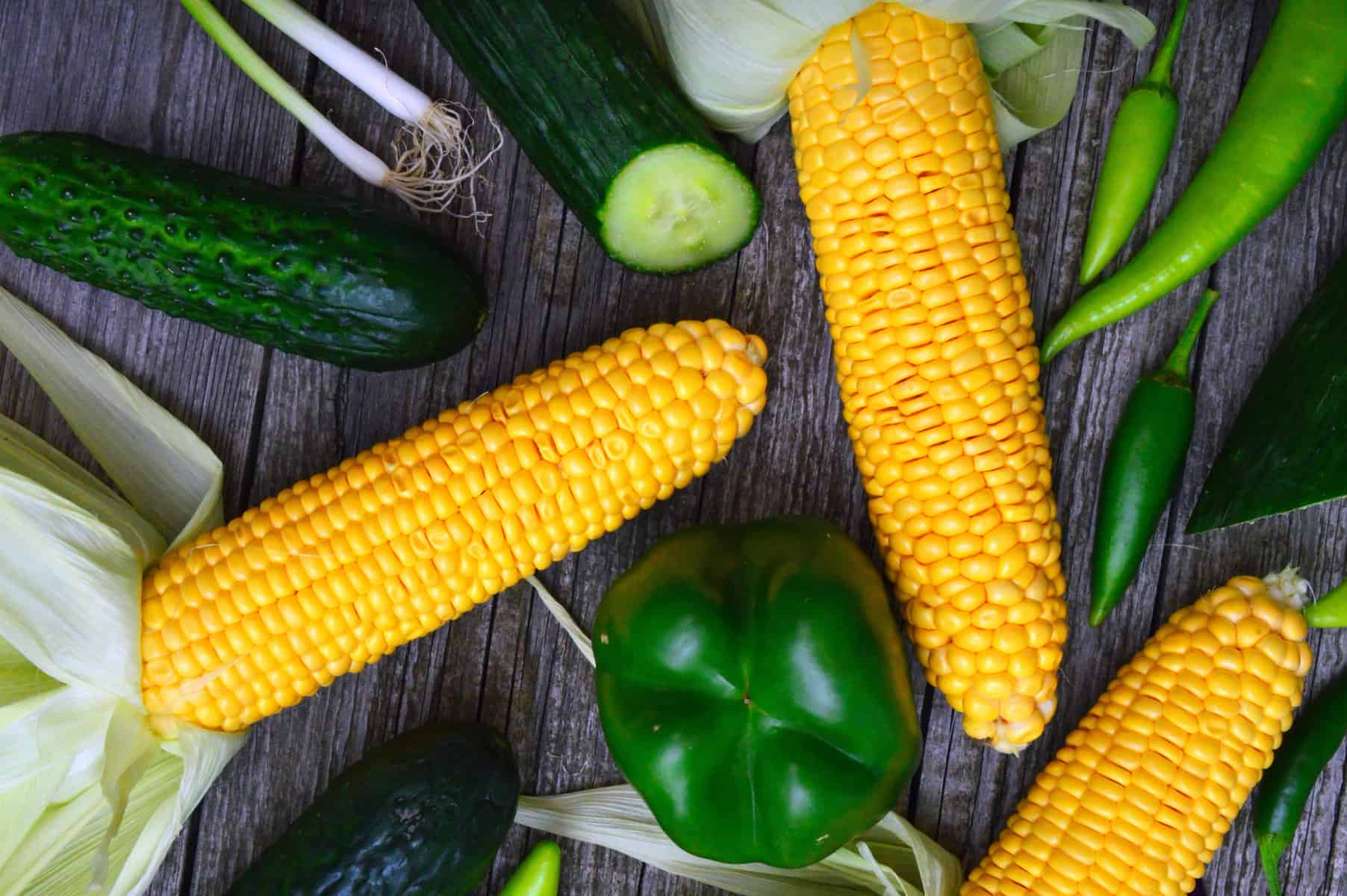
Six Ways to Eating a More Healthy and Sustainable Diet


Ever feel like your dinner choices have a bigger impact than just your taste buds? You're not wrong! Food has a surprising influence on the environment, from farm to table. In fact, 14.5% of all global greenhouse gas emissions come from food production, which impacts climate change. Beginning on the journey of conscious eating can be quite intimidating. The pressure to eat right for the planet and your health can seem insurmountable. But finding ways to eat a sustainable diet might be easier than you think.
But don't worry, going green with your diet doesn't have to mean sacrificing flavor or fun. In this post, we'll explore simple changes you can make to enjoy delicious, healthy meals while nurturing the planet. If you consider yourself a foodie, consider yourself an environmentalist too. Because we need to protect the climate to allow the planet to keep providing us with healthy foods that sustain human health and planetary health. Let's dig into the world of sustainable eating and discover how small choices can create big results!

The First Step: Buying the Right Ingredients
Before we discuss ways to eat a sustainable diet, we need to address how to buy the right ingredients. In the grocery store, we often encounter limited information on the package, leaving us susceptible to greenwashing lurking within the packaging or product. When you consider factors like human rights, responsible water usage, carbon footprint, or soil health, it can be difficult to make the right choices. On top of that, you want to know if the food is healthy and affordable. Sustainable food choices start on your plate.
1. Buy local Ingredients
One great way to have a low environmental impact is to shop locally. Purchasing local ingredients is one of the best ways to decrease the number of food miles you spend and support your local economy. If you're like me and living in a seasonal climate, you can buy locally year-round in a few ways.
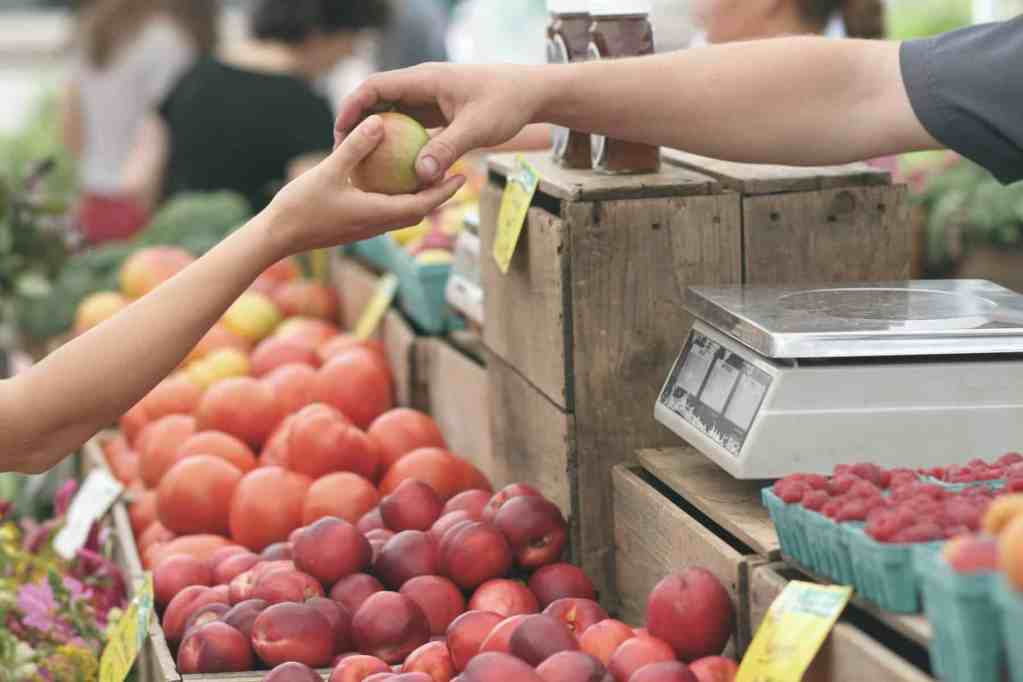
Joining a Co-Op. A Co-Op is a grocery store that is owned by neighbors and designed to build community. Most Co-ops pair with local farms to get fresh produce you can learn more about co-ops here. Another way to buy local is to shop at your local farmers market or join a CSA. Many towns have adopted farmer's markets where farmers come from local farms and set up shop for a few hours for locals to come to buy produce. It's a great opportunity to get to know your farmers and buy what's in season.
If you're not near a farmers market, you may want to look into a CSA or a community-supported agriculture. I tend to gravitate towards farmer's markets but sometimes be a gamble. On the nights you don't feel like cooking, support your local restaurants and businesses. There are various ways to eat local foods, but all will support your local economy.

2. Be Conscious of your Food Waste
One of the easiest ways to eat a sustainable diet is to be conscious of the food waste in your home. Food waste significantly contributes to carbon emissions. As food waste sits in landfills, it does not decompose, leading to increased emissions, not to mention the wasted resources that went into making the product.
One of the biggest causes of food waste is in our homes. Planning your meals can be a great time and money saver. This way, you can ensure your food is accounted for and commit to a sustainable meal plan. It also allows you to be creative in the kitchen and try new recipes. When you're preparing food in the kitchen, you can set aside your food scraps for vegetable stock or compost. Be sure to subscribe to the blog to see how you can make the best of your food scraps.
3. Expect to pay a little bit more
Undoubtedly, sustainable food is typically more expensive than conventionally produced foods. In today's environment, the cost of food is a sensitive topic. But there's a reason why.
Food produced on a large scale is produced at lower costs, but this current method isn't sustainable. Sustainable practices often require more labor and smaller-scale production, leading to higher operating costs for farmers. Additionally, certifications for organic or sustainable methods can add to the final price. Over half of the small farmers in the US bring in less than $10,000 annually, meaning they need to supplement their income. Sustainable farming practices are a great way to supplement that income while creating sustainable food systems.
Companies, products, and businesses with great sustainability stories and practices often pay workers fair wages throughout their supply chain. The costs also increase from increased costs of more sustainable packaging, operation, and distribution. These increased costs are then passed onto the consumer, leading to a more expensive product. While the initial price may seem steeper, the long-term benefits for our environment and health can outweigh the cost, and there are ways to find affordable options like shopping seasonally and at local farmers markets. Livable wages are essential for our economy and to keep our farmers above the poverty line so they can continue to grow our food.
Understandably, not everyone will be able to utilize this approach. Farmers' markets can present more affordable options, and if there is time in your schedule, some co-ops offer discounts for those who volunteer time at the establishment. One of the greatest impacts we can make is with our wallets. If you can, choose to support companies whose values align with yours financially.
4. Expect to put in some more work in the kitchen
Processed foods gained popularity because of their ease and convenience. The great thing about processed foods is that they cut the amount of time needed to spend in the kitchen. Much of the selection expedites preparing your food to the time you can eat it, sometimes in under a minute.
Convenience is a great thing. However, it can oftentimes lead to excess packaging and heavily processed foods. The further your food is processed, the less nutrition is available. For example, whole grains are less processed than white bread. Eating whole, nutritious foods is a great way to eat a more sustainable diet. Buying seasonal produce from the farmer's market is a great way to eat more sustainably; however, most times, it requires a little extra preparation, but ultimately, it is worth it in the long run.
While convenience is everything some days, there are things you can do to help you save time in the kitchen, such as meal prepping, chopping vegetables ahead of time, making large batches of food, and freezing some. Made to Sustain brings you new tips and advice every other week to help you along with this process.
4. Plant-Based Diet for Environmental Health
Swapping out meat and dairy products for plant-based alternatives is a powerful way to shrink your environmental footprint. While animals can be an integral part of regenerative farming systems, modern livestock production is a massive contributor to greenhouse gas emissions.
Livestock production is a major resource hog – pun intended. Producing animal protein uses more land and water than plant foods. According to the United Nations Environment Programme, animal agriculture accounts for a staggering 14.5% of global greenhouse gas emissions, even more than the entire transportation sector!
By opting for plant-based proteins and dairy alternatives, you can significantly reduce your impact on climate change and conserve precious resources for future generations. Many vegan diets offer high nutritional value if prepared correctly. A good rule of thumb is that plant-based foods tend to have a lower carbon footprint than animal products.
5. Stop Eating Red Meat
If going to a vegan diet isn't your thing, reducing meat consumption is a great first step to eating a more sustainable diet. Reducing your meat consumption is a significant step towards a more sustainable diet. The Food and Agriculture Organization of the United Nations (FAO) estimates that livestock accounts for a whopping 14.5% of all human-caused greenhouse gas emissions [1]. Raising animals requires vast amounts of resources. Livestock production is a leading cause of biodiversity loss that gobbles up land. According to the World Wildlife Fund, 70% of the Amazon rainforest cleared for agriculture is used for grazing animals.
Meat production also demands immense water use. A study published in Science Magazine found that producing one kilogram of beef requires a staggering 15,000 liters of water. By cutting back on meat, you can significantly reduce your environmental impact and contribute to a more sustainable food system.
6. Check for Certifications
Certifications and Eco-labels are powerful tools for consumers and businesses to navigate the complexities of sustainable food choices. A 2020 study by the International Institute for Sustainable Development found that over 40% of consumers actively seek out eco-labeled products. These labels provide transparency by adhering to strict environmental and social criteria, allowing consumers to make informed decisions that align with their values.
For businesses, eco-labels incentivize sustainable practices throughout the supply chain. From things like protecting marine ecosystems, the rainforest, or even workers, reputable eco certifications are a great way to build brand trust. But many Fake eco certifications greenwash consumers, so be sure to look for ones you recognize. Ultimately, eco-labels empower consumers to drive positive change and encourage businesses to embrace sustainable practices, paving the way for a more environmentally friendly food system.
Understanding The Ways to Eat a Sustainable Diet
Food has a surprising influence on the environment, but small changes toward sustainable eating habits can have a significant impact. We hope you enjoyed this article on eating more sustainably and making more sustainable food choices for you and the planet. Going green with your diet doesn't have to mean sacrificing flavor or fun. We hope you feel inspired to make simple changes to enjoy delicious, healthy, and sustainable meals while nurturing the planet.

Thanks for stopping by to read our post!
Hope you enjoyed the post! Check out more on our homepage, and feel free to send to a friend. Let me know in the comment section if you test it out yourself!
Let us know if you like this article by leaving a comment below or tagging us on Instagram, Facebook, and Pinterest using @madetosustain! Please sign up for our mailing list for more content related to this and come back for more recipes and ideas for a more sustainable lifestyle.
Discover more from made to sustain
Subscribe to get the latest posts sent to your email.