A Bananas Debate: Benefits of GMO vs. Organic Bananas


“What's the difference between GMO bananas vs organic bananas?” is the first question I get asked Whenever I tell someone I am a food scientist.
Bananas are one of the most popular fruits in the world. However, they are only grown in tropical regions. They are also really susceptible to diseases, which is one of the main benefits of bioengineering – genetically modified organisms (GMO). Gmo vs organic is a primary consideration when making sustainable food choices.
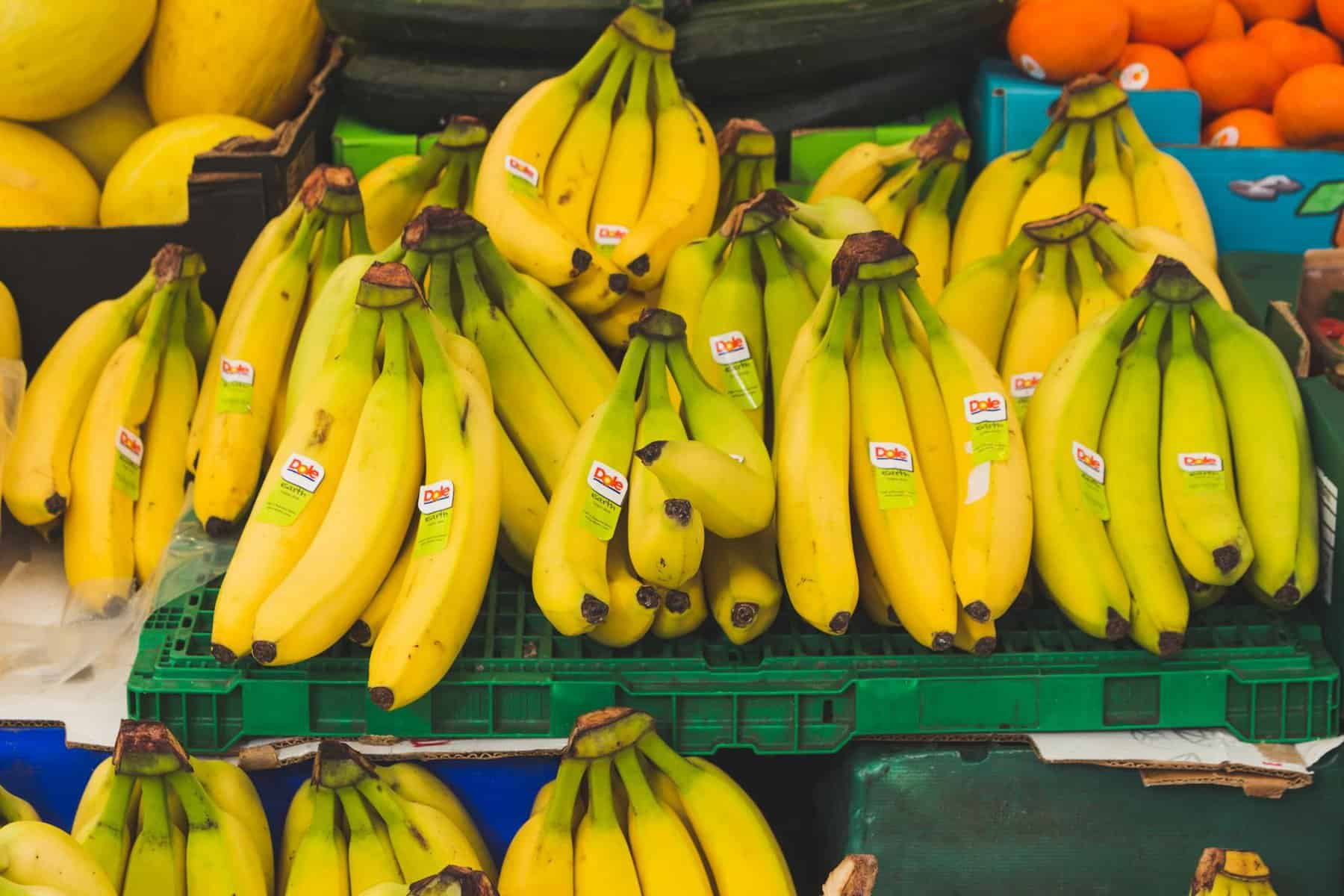
They look similar next to each other in grocery stores, except the organic produce is typically smaller. But is it wrong to have a larger banana? As someone who works in the food industry, I've been asked the difference between GMO bananas vs organic on multiple occasions, so I figured I'd write a post about it. Here, we'll explore the benefits of each and leave you educated to make your own decision.
Don't forget to check out our recipe for delicious whole wheat banana nut muffins here.
Understanding the Difference: GMO vs Organic

While “organic” and “GMO” often get pitted against each other, they represent distinct aspects of agriculture. The critical thing to note is that they work towards the same thing: feeding people nutritious food. There are no nutritional differences between GMO crops and Organic crops. There is limited research on the long-term health impact of organic produce. So, on a purely nutrition basis, organic crops have no nutritional advantages or health benefits over conventional crops.
What are GMO Foods?
Genetically Modified Organisms (GMOs) refer to plants or animals whose genetic makeup was altered to possess specific traits, like pest resistance, drought resistance, or faster growth. Genetic engineering incorporates the desirable traits from the DNA of other organisms or breeds. GMOs cannot breed traits across species. One of the advantages of GMO foods is that gene selection is a much faster process than plant breeding for desired traits, which can take years.
Products made with GMO ingredients are considered genetically modified.
However, conventional farming practices do not always necessarily use GMO seeds. Due to new regulations, food companies must disclose when their products are made with bioengineered or GMO ingredients.
What are Organic Foods?
Organic foods focus on farming practices. Certified organic products adhere to strict regulations prohibiting synthetic pesticides, fertilizers, antibiotics, and hormones. Instead, organic farmers rely on natural methods like natural fertilizers like compost, natural pesticides, and sometimes crop rotation. Food can be farmed using organic practices but not be certified organic. It's important to note that there's a prohibitive cost for farmers to pay to display the organic certification on their crops.
The USDA Organic Seal signifies that a product meets these rigorous standards. This involves regular audits by certified agents who verify compliance with practices like using organic seeds and feed, maintaining buffer zones between organic and non-organic fields, and preventing contamination during processing. The seal assures consumers that their food adheres to organic principles.
The Limitations of Organic Regulations
While organic certification offers valuable assurances, its limitations are important to consider. Firstly, the “organic” label doesn't guarantee the complete absence of external contaminants, as wind and water can carry trace amounts from neighboring lands. Additionally, organic certification standards can vary between countries and certifying bodies, leaving room for potential loopholes and inconsistencies.
Furthermore, the certification process can be expensive and time-consuming, particularly for small-scale farmers, hindering broader adoption of organic practices. Understanding these limitations encourages consumers to be informed and engage in further research about specific brands and their practices beyond the organic label alone.
A common type of banana is a Cavendish banana, a creamy stereotypical yellow color, often sold by Chiquita. Certain varieties of bananas, like Cavendish, are not commercially available as organic due to challenges in breeding disease-resistant organic varieties.
Benefits of GMO Bananas
While it might not seem like it, there are some benefits to using GMOs in farming. Bananas are a staple food, and that means we depend on a stable supply. But not only stable, they also need to be edible bananas. Research Teams create gm bananas by selecting for specific genes as a safety net for banana crops and food security. These genes are selected to create new cultivars with desirable traits. This can be anything from resistance to fungal infections, increased crop yield, or even for improve nutritional value. The benefit to using genetic modification is that the gene editing practice can be quickly implemented into the next generation. Conventional breeding can take up to ten years to grow. Bananas are such an important food crop and an economically important cash crop for farmers in Central America and South America. Ensuring we have a stable supply prevents economic losses to farmers. It's also a very important step to maintaining food security.
Pros and Cons of GMO Bananas vs Organic Bananas
When choosing bananas, the familiar yellow fruit presents a surprising dilemma. Both GMO and organic bananas offer distinct advantages and disadvantages, making the decision more complex.
Organic Bananas
The main advantage of organic bananas is the potential environmental benefits due to reduced exposure to synthetic pesticides and fertilizers. Many people view this as a health benefit since it will reduce their exposure to harmful chemicals. Additionally, organic farming methods may prioritize more sustainable farming practices, but it depends on the farmer.
One thing to note is that organic crops are more susceptible to crop loss than their GMO counterparts. Crop loss occurs because non-GMO bananas don't have much defense against plant diseases like Fusarium wilt without chemical fertilizers. For this reason, consumers often face a higher price tag at the grocery store.
GMO Bananas or Regular Bananas
On the other hand, GMO bananas offer potential benefits like extended shelf life, improved disease resistance, and lower costs. GMO bananas hold up well during transport since they are less likely to get disease. This longer shelf life helps prevent food waste.
These types of bananas are often conventionally farmed, which means some farmers may use synthetic chemicals for pest and disease control. Since bananas have a peel, it is unlikely that these harmful chemicals will enter your food.
However, some people feel there are ethical considerations surrounding the genetic modification of their food. There's also a considerable conflict around the corporate control of seeds, patents, and monopolizing the market. These are crucial factors to consider when selecting produce.
Other Considerations for Choosing GMO Bananas vs Organic Bananas
The choice between organic and GMO products is a personal one based on individual values and priorities. Understanding the nuances of these terms allows for informed decision-making when navigating the grocery aisle. Here are some other considerations for GMO Bananas vs Organic Bananas.
Environmental Impacts of GMO Bananas vs Organic Bananas
Organic bananas have lower crop yields, which means their overall environmental impact is higher per banana when compared with conventional farming. GMO crops have higher yields, so the emissions are typically lower per banana.
Budget Concerns
Conventional or GMO bananas have a lower cost than organic bananas, making them an affordable way to get fruit. Organic fruits have higher costs, but the price is typically passed onto the farmer, who makes a higher income from the purchase. Make sure you select the best option for your budget when grocery shopping.
The Influence of TikTok & Social Media
As mentioned, food is a highly personal choice. Many social media influencers feel empowered to share their personal beliefs on food choices, but at the end of the day, you are the one who purchases the food. Be sure to think critically about your food choices and avoid getting trapped by misinformation and personal beliefs.
The Decision is Yours
The next time you're at the grocery store, remember there is no right choice. It's all a matter of personal preferences and what makes sense. Ultimately, there's no single “one size fits all” answer when choosing between GMO and organic bananas. The decision comes down to individual values and priorities, whether you prioritize cost, environmental impact, potential health benefits, or ethical considerations.
Notably, both organic and GMO bananas can be nutritious options within a healthy diet. As research on these agricultural practices and their long-term effects continues, fostering open dialogue and informed consumer choices remains crucial in navigating the complexities of our food system.
Thanks for stopping by to read our post!
Hope you enjoyed the post! Check out more on our homepage, and feel free to send to a friend. Let me know in the comment section if you test it out yourself!
Let us know if you like this article by leaving a comment below or tagging us on Instagram, Facebook, and Pinterest using @madetosustain! Please sign up for our mailing list for more content related to this and come back for more recipes and ideas for a more sustainable lifestyle.

Discover more from made to sustain
Subscribe to get the latest posts sent to your email.