S1E3 Summary- On the Journey to Regenerative Agriculture with Mike Woronuk of Juneberry Ridge

Today, we're excited to share insights from our recent podcast episode featuring Mike Woronuk from Juneberry Ridge. Mike has embarked on an incredible journey, exploring what it means to pursue regenerative agriculture and how it can transform our food systems.


A Sneak Peek with Mike Woronuk
Our conversation kicked off with a sneak peek from Mike, who delves into the complexity of farming and the concept of regenerative agriculture. He highlights that regeneration is more of a mindset rather than a simple binary state. Traditional farming often involves extracting resources from the soil, which can lead to land degradation over time. In contrast, regenerative agriculture focuses on replenishing and revitalizing the land, aiming for sustainable farming practices that can endure for future generations. Mike's journey to regenerative farming began with a deep appreciation for nature and a desire to improve the systems around him. Initially drawn to the concept of aquaponics, he soon realized its limitations and shifted toward more holistic farming practices.
Mike Woronuk's Background
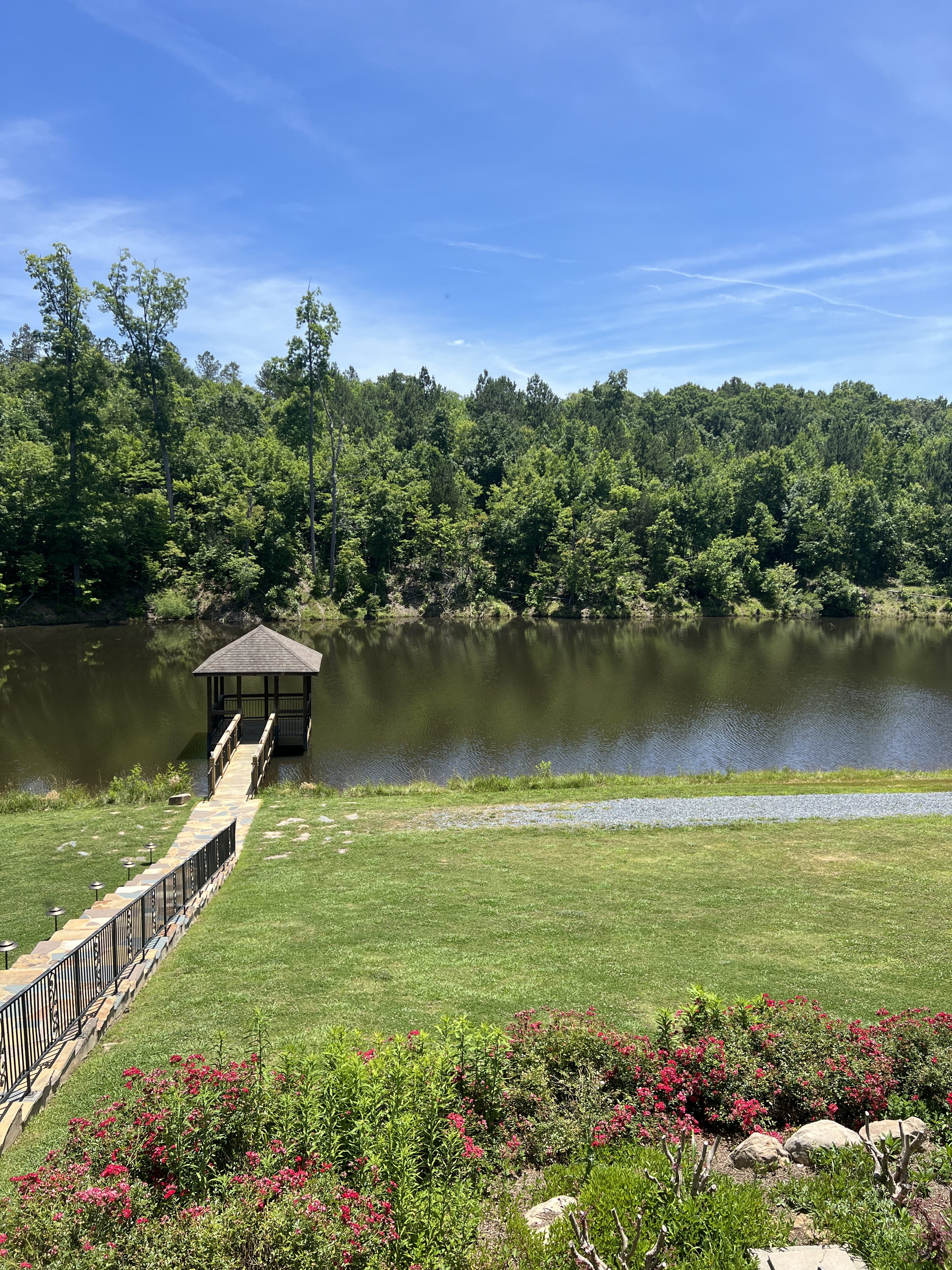
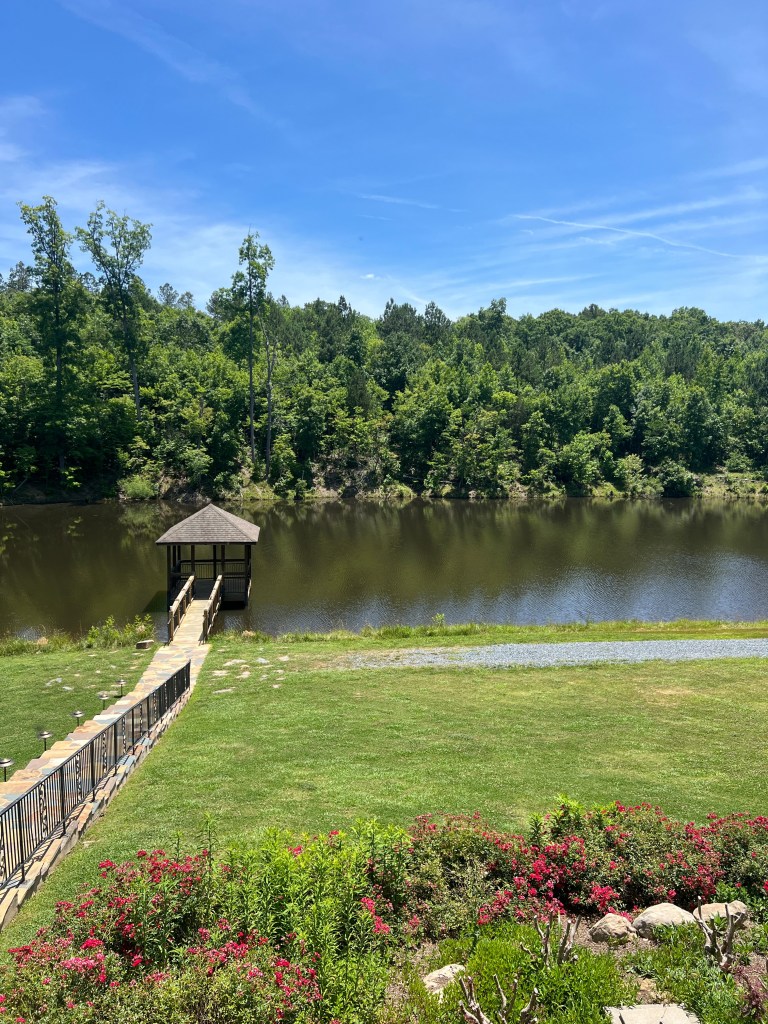
Mike has a rich background that uniquely positions him for his current endeavors. He grew up in a city in Calgary while visiting his family farm in Northern Alberta, Canada. He pursued a career in marketing that took him to New York City. Despite the urban landscape, Mike never lost his connection to farming, eventually finding his way to Juneberry Ridge in North Carolina. The farm, spanning 750 acres, is now a hub for regenerative practices, boasting diverse landscapes, livestock, and innovative agricultural methods.

The Role of Animals in Regenerative Agriculture
Juneberry Ridge stands out not only for its picturesque landscape but also for its integration of animals into the farming system. The farm is home to a variety of livestock, including chickens, sheep, pigs, and even Duck Duck, the guardian goose. These animals play a crucial role in enhancing soil health and biodiversity after years of mono-cropping for trees. Mike shares that animals are part of the workforce at Juneberry Ridge, rotating through paddocks to naturally fertilize the soil and promote plant growth, regenerating the soil and landscape.
Regenerative Farming and Education
A significant part of Juneberry Ridge's mission is education. The farm invites people from all walks of life to experience its practices firsthand. From farmstay weekends to specialized tours and workshops, Juneberry Ridge provides guests with a comprehensive understanding of regenerative agriculture. Activities such as forest bathing, yoga nidra, and garden-to-glass mixology classes offer unique opportunities to connect with nature and learn about sustainable food systems.
The Impact of Community and Connection
One of the most profound aspects of Mike’s experience at Juneberry Ridge is the sense of community it fosters. Guests who visit the farm often leave with more than just knowledge—they gain a deeper connection to the land and to each other. Whether it's through mother-daughter retreats or gatherings of diverse groups, the farm serves as a conduit for meaningful interactions and lasting relationships.
Looking Ahead
Mike’s journey is a testament to the power of regenerative agriculture and its potential to transform how we think about and engage with food production. He emphasizes that the path to regeneration is ongoing and requires continual learning and adaptation. The success of Juneberry Ridge lies in its commitment to progress and its openness to new ideas and practices. As we wrapped up our conversation, Mike shared his hope for the future: that more people will seek out local farmers, engage with their communities, and support sustainable food systems. By doing so, we can all contribute to a healthier, more resilient planet.
Takeaways from This Episode:
1. Innovate and Adapt: Don’t be afraid to explore new and better ways of doing things. Innovation is key to sustainable progress.
2. Embrace Change: Just because things have always been done a certain way doesn’t mean they can’t be improved. Embracing change is essential for growth.
3. Engage & Build Community: Creating sustainable food systems truly takes a village. Connecting with others and sharing knowledge can lead to collective success for our food system as a whole.
We hope you enjoyed this blog post as much as we did writing it. If you want to learn more about Juneberry Ridge, visit their website at Juneberry.com. And if you ever get the chance to visit their farm in Norwood, North Carolina, we highly recommend it. Stay tuned for next week's episode, where we'll dive into the topic of mindful eating with Josh from Wise Bar. Don’t forget to subscribe to the Made to Sustain podcast and leave us a rating. Your support helps us continue to bring you great content. Thanks for joining us on this journey to make sustainable food more accessible and understandable for everyone
Discover more from made to sustain
Subscribe to get the latest posts sent to your email.