Sustainable Cooking Tips that Create an Eco-Friendly Kitchen

The kitchen is one of the most important areas in your home that can help you in the fight against climate change. Every time we cook, we make dozens of food choices that affect the planet. From the way we shop at the grocery store to how we handle leftover rice and vegetable scraps, every step presents an opportunity to live more sustainably. Here are practical sustainable cooking tips to help you build a more sustainable kitchen, cook delicious meals, and leave a positive impact on the planet.
What is an eco-friendly kitchen?
The choices we make in the kitchen impact our carbon footprint, energy consumption, and the amount of food that ends up as organic waste. An eco-friendly kitchen doesn’t just mean making sustainable swaps, but it also involves conscious decisions. While your equipment choice definitely can make a difference, an eco-friendly kitchen prioritizes limiting our environmental impact, like reducing food waste and avoiding over-consumption. A sustainable kitchen prioritizes things that will last a long time, reduces your environmental impact, and fits in with your lifestyle.
My Favorite Sustainable Cooking Tips
Adopting sustainable cooking practices is a great way to create both an eco-friendly and sustainable kitchen. Both reduce our environmental impact and protect natural resources for future generations. Here are a few sustainable cooking tips for you that can help you create a more eco-friendly kitchen.
Mindful Meal Planning

Meal preparation begins long before the first pot hits the stove. Mindful meal planning is one of the most effective ways to cut back on food waste and make better use of your time and ingredients.
Start with a shopping list that reflects your actual weekly needs, factoring in how much food your household consumes, what’s already in the fridge, and planning for any upcoming meals. This is a simple way of planning that helps avoid buying perishable items that often go bad before they’re used.
If you're looking for some help in this area, check out our free grocery shopping list and meal plan here.
Embrace Seasonal & Local Ingredients
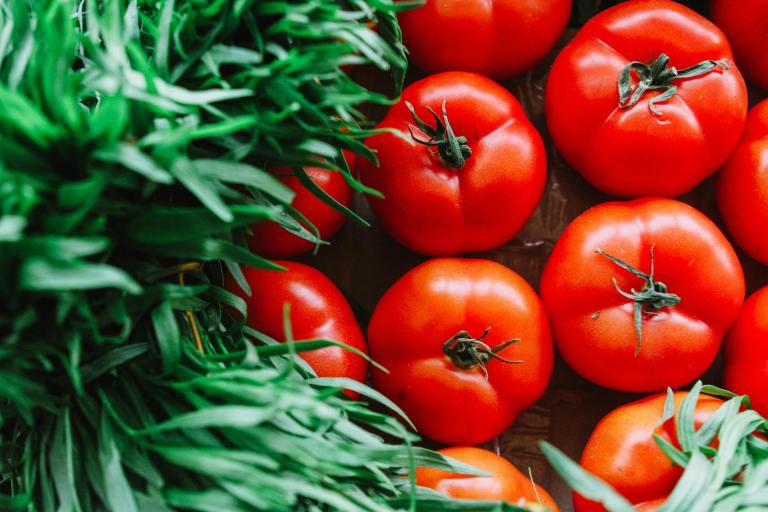
One of the best eco-friendly cooking tips is to cook with seasonal produce and local ingredients. Food grown in-season typically requires less energy to produce and transport, reducing transportation emissions and fossil fuels used in the supply chain.
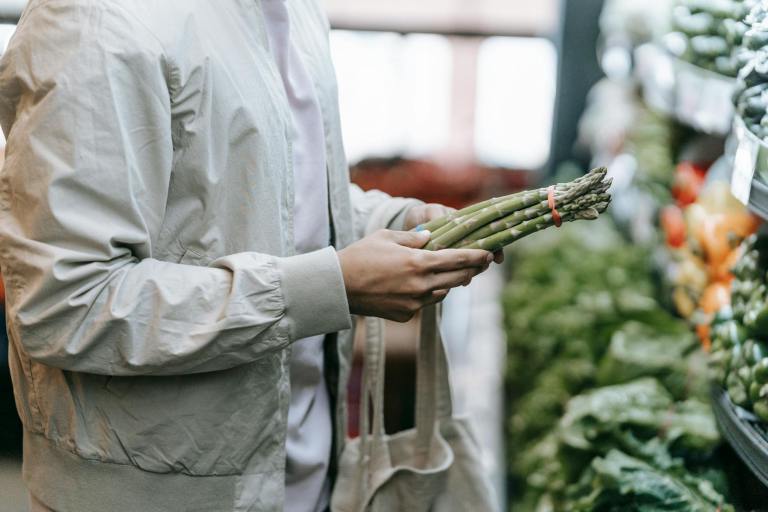
Shop at your local farmers’ market, where you can often find fresh herbs, leafy greens, and other nutrient-rich foods that haven’t traveled thousands of miles. Supporting these local communities also strengthens regional food systems.
Reduce Food Waste at Home
Roughly 30-40% of the U.S. food supply is wasted every year, according to the USDA 1. When you factor in that most of this waste goes directly into the landfill and emits methane, this is A LOT of Emissions. If you didn't know, methane emissions are 25x more damaging than CO2. Not only is this waste of food a cause of emissions, but also a waste of resources that went into cultivating the food.
There are many creative ways to reduce this waste:
- Check out some of our leftover recipes series to make an old meal exciting again.
- Reuse leftover rice, roasted veggies, or leftover meats in soups, stir-fries, or grain bowls.
- Save vegetable peels and coffee grounds for the compost bin.
- Reuse vegetable scraps to make vegetable stock
- Understand the difference between expiration dates (safety) and “best by” dates (quality). So much good food gets tossed needlessly from this simple phrase.

Smart Grocery Shopping
Grocery shopping with sustainability in mind can make a significant impact on plastic waste and resource use. In my state and many others, single use plastic bags have been banned. We've been forced to replace single-use plastics with reusable containers and reusable bags. While there was a push back at first, it has become a way of life for many. Plus, if you forget your bags, you can always buy an extra one at the store or pay a small surcharge for the store's bags.
Other ways you can shop smart are by looking at the packaging. Choose items in glass containers or stainless steel over plastic whenever possible. Avoid heavily packaged items and buy in bulk when appropriate—especially dry goods and grains. If you can avoid ultra-processed foods, do so!
Batch Cooking and Leftovers
Batch cooking is a great way to save a lot of time, reduce your energy consumption, and avoid last-minute takeout.
One sustainable cooking tip I use regularly is to make sure I cook large portions of nutrient-dense foods. I then combine them into nutritious meals and portion them into airtight containers for the week. Leftovers like roasted vegetables, cooked grains, or leftover meats can be transformed into new recipes that keep your menu fresh and exciting. Check out some of our leftover recipes here!
Cook with Less Energy

Energy-efficient cooking methods are essential for lowering your household’s carbon footprint. A good rule of thumb is to think about the most efficient way to get something done.
Consider using:
- Air fryers – use up to 75% less energy than traditional ovens.
- A propane grill will burn cleaner and cause less pollutants than a charcoal grill
- Electric appliances are typically more energy efficient
- Slow cookers – perfect for long-cooked meals without running the gas stove all day.
- Pressure cookers – reduce cooking time and conserve natural resources.
Investing in energy-efficient appliances pays dividends over time, both in your wallet and for the planet.
Composting for a Circular Kitchen
One of the most effective ways to build a more sustainable lifestyle is to start a compost bin. This diverts organic waste away from landfills and creates nutrient-rich compost for your garden or community plot.
Great items for composting include:
- Coffee grounds
- Vegetable peels
- Food scraps from fruits and veggies
Avoid adding meat, dairy products, or oily foods to home compost systems. Learn more about composting in a small space here!
Minimize Meat and Dairy Consumption
Animal proteins have a disproportionately high impact on the environment. According to the FAO, livestock contributes nearly 14.5% of global greenhouse gas emissions 2. Reducing meat consumption and choosing more plant-based meals is a sustainable diet change with health benefits.
Try replacing some meals with legumes, tofu, or whole grains—each a great way to reduce your carbon footprint without sacrificing flavor.
Store Food the Right Way
Proper food storage can greatly reduce the amount of food that spoils. Use:
- Airtight containers to extend the life of leftovers
- Glass containers for visibility and plastic reduction
- Stainless steel for durability and reusability
Store fresh produce like leafy greens with paper towels in reusable containers to keep them from wilting too quickly. Make sure you check out our post on the best non-toxic and eco-friendly meal prep containers here.

Reuse, Repurpose, and Get Creative
Your kitchen is full of potential for new dishes made from odds and ends. Repurposing food scraps isn’t just a fun way to experiment—it’s an excellent strategy for reducing organic waste.
Turn:
- Vegetable scraps into broths
- Stale bread into breadcrumbs or croutons
- Leftover rice into fried rice or pudding
Connect with Your Community
Take sustainable efforts beyond your home. Donate excess pantry goods to food banks, or join a community composting program. Local parks or community gardens often have gardening programs that benefit from nutrient-rich compost donations. When we share our sustainable knowledge with others, we foster a collective effort that ripples outward.
The Bigger Picture around Sustainable Cooking Tips
Cooking sustainably is about more than just what’s on your plate—it’s about making conscious choices that respect our planet and ensure a livable world for future generations. With these sustainable cooking tips, we can reduce global greenhouse gas emissions, conserve natural resources, and foster a deeper connection to our food.
These sustainable practices, though seemingly small, have a significant impact. When embraced collectively, they become a powerful force for positive impact.
What's your favorite sustainable cooking tip? Let me know in the comments down below!
Sources
- United States Department of Agriculture. (2021). Food Waste FAQs. https://www.usda.gov/foodlossandwaste↩
- Food and Agriculture Organization of the United Nations. (2013). Tackling Climate Change Through Livestock. http://www.fao.org/3/i3437e/i3437e.pdf↩
Discover more from made to sustain
Subscribe to get the latest posts sent to your email.