The Best Eco Friendly Compostable and Disposable Utensils


What's something that's used for fifteen minutes but lasts forever? When it's framed this way, disposable plastic utensils seem like a complete waste. While they offer the benefit of convenience, not having to wash them or worry about them vamoosing, there are options available that are better for the environment.
If you've ever ordered takeout from a restaurant or attended a large event, you're typically handed a plate of food accompanied by disposable plastic utensils. We don't need to contribute to plastic pollution even more. New options made from renewable materials, such as biodegradable, compostable, or even reusable, have gained popularity. That's why, in this post, we're looking at options for eco-friendly disposable utensils, including a few you can purchase for your next event, including which are the right ones for you.
The Problem with Single-Use Plastics
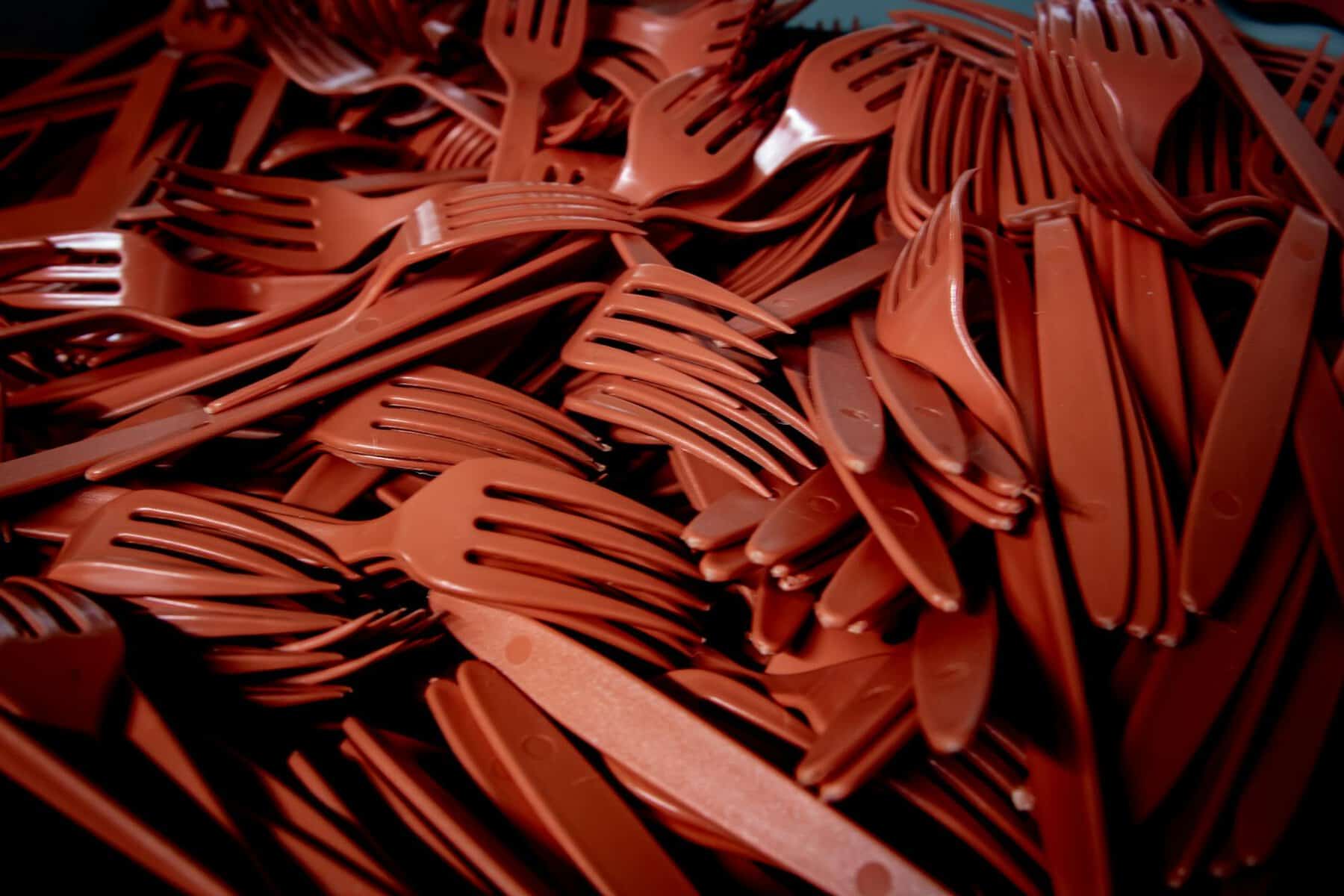
Single-use plastics have become an environmental catastrophe – clogging oceans, waterways, and our landfills. The sheer volume of plastic cutlery discarded daily contributes to a global crisis that demands our attention. Plastics don't break down well. In fact, every piece of plastic that has been produced still exists today.
While recycling is an option for plastic, utensils often contain food residues, which makes them less likely to be recycled. Instead, plastic forks, spoons, and knives begin to breakdown into microplastics which enter our soil and waterways. When they break down, they turn into harmful microplastics that endanger wildlife and enter the food chain. Even plastic designed for recycling may be too lightweight or small to be processed effectively, contributing to wasted resources.
This plastic dependence also fuels climate change, from the extraction of fossil fuels for their production to the greenhouse gases emitted during their disposal. This is why turning to eco friendly disposable cutlery can be a huge win for the planet.
The Rise of Eco-Friendly Alternatives
Eco-friendly cutlery is experiencing a surge in popularity driven by a growing awareness of the problems with single-use plastics. Consumers are increasingly concerned about the environmental impact of plastic pollution, particularly the harm it causes to wildlife and ecosystems.
Government regulations are now coming in place that aim to curb plastic waste. This is only increasing the demand for sustainable alternatives. For example, in my home state of New Jersey, a law was passed a few years ago to eliminate the use of styrofoam take out containers. Restaurants of all sizes have started using containers that are either recyclable, reusable, or biodegradable. While the law didn't include plastic cutlery, it's only a matter of time following the ban on plastic bags as well.
Luckily, there's a wave of innovation offering options like cutlery made from bamboo, plant starches, or recycled materials, providing convenient and disposable solutions without the environmental burden.
Comparing Different Types of Eco-Friendly Disposable Utensils
Thre's a few different types of eco friendly disposable utensils that you can consider. Which one is right for you will depend on some of the trade-offs. We're exploring Bamboo, Compostable, Edible, and Reusable Utensils.
Bamboo Cutlery and Utensils
Bamboo's rapid growth and renewability make it an ideal material, adding an exotic touch to your dining experience.
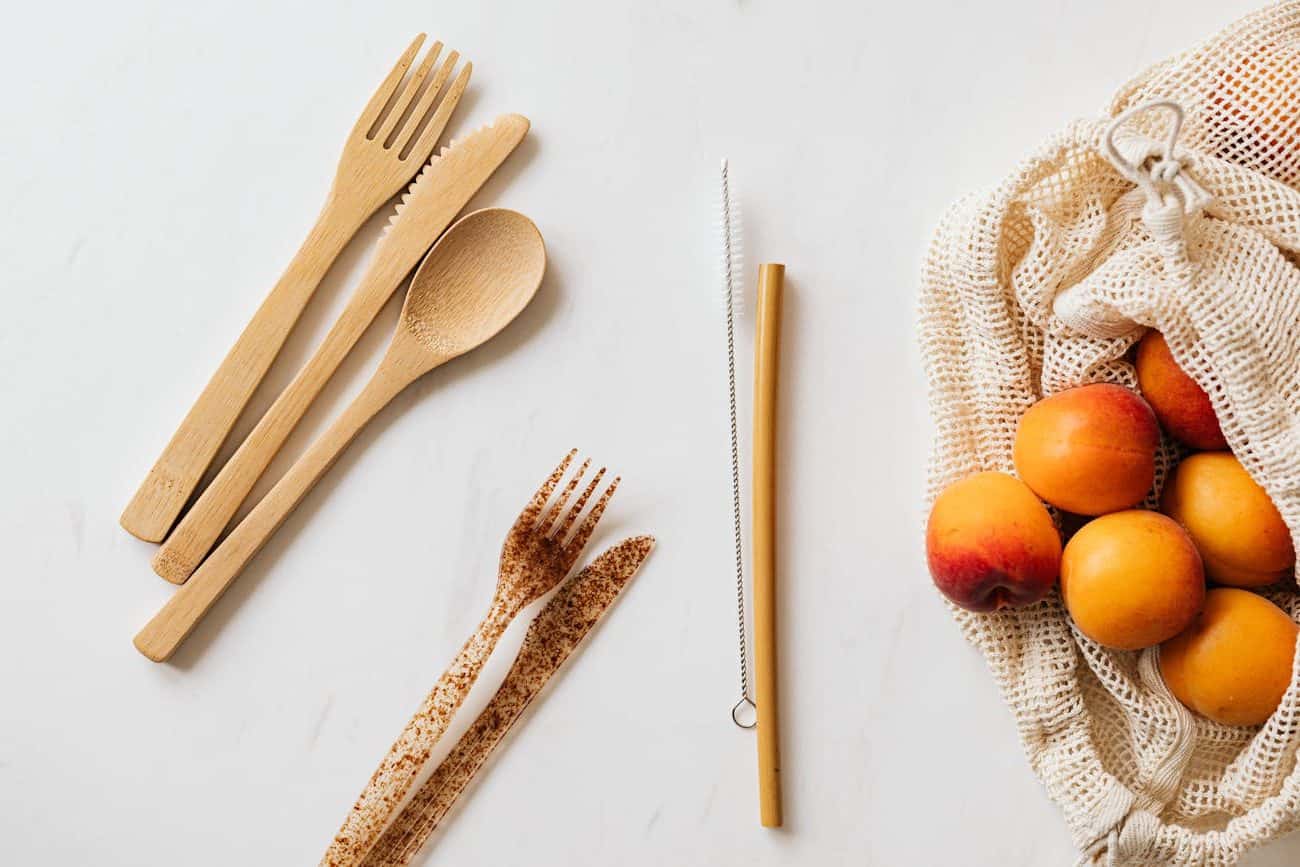
Bamboo utensils are rising in popularity as an eco-friendly alternative to disposable plastic cutlery because they are affordable and made from renewable materials. On the plus side, bamboo is a rapidly renewable resource, making them a sustainable alternative to plastic. They're also lightweight, gentle on non-stick cookware, and possess natural antibacterial properties.
However, bamboo requires more care than plastic, with handwashing and proper drying being crucial to prevent cracking and warping. T While generally durable, they can splinter with rough use and may not withstand the dishwasher. This typically means they don't do well for being reused for the long term. Another con is that some people don't like the texture of eating off of wood, which sometimes adds a woody aroma.
Ultimately, bamboo utensils offer an eco-conscious choice, but with the trade-off of requiring a bit more upkeep compared to disposable plastic. Make sure you look for the use of responsible forestry practices when selecting wood cutlery.
Here's some options we recommend:
Compostable or Biodegradable Utensils
Compostable or Biodegradable utensils offer a compelling alternative to traditional plastic cutlery, but they come with their own set of considerations. Many are made with plant-based materials.
On the positive side, biodegradables break down naturally by microorganisms, reducing plastic pollution in landfills and oceans. They're often made from renewable resources like corn starch or wood pulp, lessening dependence on fossil fuels. These materials are renewable sources with less energy needed and lower environmental impact compared to plastic utensils. Additionally, some biodegradable utensils can even be composted, creating nutrient-rich soil amendment. Be sure to check your package to see if yours is biodegradable or compostable.
However, biodegradable utensils can be more expensive than plastic and might not be as widely accepted in all composting facilities. You may not be able to compost them in your backyard, but they will be a great option if you have a commercial composting facility in your area. Check the packaging of compatible utensils to determine if they can be composted in a backyard or if special commercial composting facilities are needed.
Additionally, their durability can vary depending on the material. Some are also temperature sensitive, so you may only be able to use with with cold foods. This will vary greatly depending on the type of utensil. Be sure to read the labels carefully to see which ones are right for you.
Overall, biodegradable utensils offer an environmentally friendly option but with potential trade-offs in cost, convenience, and durability. They are a more sustainable option than single-use plastic cutlery.
Our recommendations:
Edible Utensils: A Tasty Twist
While this might sound Wonka-esque, a new innovation in this space is utensils you can eat.
Edible utensils offer a delightful twist on sustainable dining. Imagine enjoying a delicious meal with utensils you can savor afterwards, eliminating waste and adding a touch of novelty to the experience. Crafted from edible ingredients like cookies, waffle batter, or even vegetable starches, these utensils provide a guilt-free way to indulge your taste buds while reducing your environmental footprint. It's a tasty innovation that lets you have your cake and eat it too – literally.
Some downsides to this are that the flavor profile has to match whatever food you're eating. Also, the cost may be higher, but it will surely be delightful. Edible utensils provide a novel, guilt-free dining experience, leaving nothing but satisfaction (and maybe crumbs) behind. A great example of this is these ice cream waffle bowls and ice cream cones!
Reusable Utensils
My favorite alternative for eco-friendly disposable tableware is actually just reusing your cutlery. This is perfect for a small group of people that requires little to no investment on your end. This is great for people with zero waste goals on a budget as it reduces single-use waste as there's no need for disposable flatware. When you're ordering take out, skip the restaurant supplies and just use your own.
Finding the Right Eco-Friendly Disposable Utensils For You
While reusable utensils are always considered the most eco friendly option, sometimes they are not the right fit for your needs. Here are some things to think about before you make your purchase.
Consider Your Needs: Picnics, Parties, or Takeout?
Whether you're packing for a casual picnic, throwing a festive party, or grabbing takeout on-the-go, there's an eco-friendly utensil option that perfectly suits your needs. Durable bamboo sets are great for picnics, while stylish disposable options with vibrant patterns might be ideal for parties. Look for lightweight, eco-friendly disposable cutlery for takeout meals. If you're a restaurant or use food trucks, consider asking your guests if they need cutlery as an opt-in vs an opt-out.
Reading Labels: Unveiling the Eco Credentials
Don't be fooled by greenwashing! Understanding what the labels on eco-friendly utensils actually mean is key. Look for certifications like “compostable” or “biodegradable” to ensure they'll break down naturally. A few typical keywords to look for are “Certified compostable cutlery” or “Certified B Corp“. Choose utensils made from renewable resources like bamboo or plant starches to minimize environmental impact. A good company will have compostable materials for their packaging.
Beyond Green: The Aesthetics of Eco Utensils
Eco-friendly doesn't have to be boring! Explore the variety of designs available in eco-utensils. From sleek and minimalist bamboo cutlery to brightly colored disposable options, you can find utensils that match your style and add flair to your sustainable dining experience.
Customizable Cutlery: Your Brand, Your Message
For businesses, customizable eco-utensils offer a canvas to showcase brand values. Your cutlery becomes not just a tool for dining but a statement of environmental responsibility. You can customize the cutlery to carry your brand or your message. While this won't be inexpensive, it'll set you apart with a branded eco-friendly cutlery set compared to conventional plastic cutlery.
Benefits of Eco-Friendly Disposable Utensils
Eco-friendly disposable utensils offer a win-win for both the planet and your health. By choosing them over traditional plastic options, you're taking a significant step towards reducing plastic pollution and its harmful impact on our environment. These utensils are often made from natural materials, reducing the potential for plastic to leach into your food. Regardless of using compostable utensils or biodegradable cutlery, there's bound to be eco-friendly disposable utensils that work for you and your needs.
Be sure to subscribe to stay up to date on the best eco friendly swaps, and sustainable brands we love.

This post contains affiliate links, in which through your purchase, I may earn a small commission. This helps fund the site and ensure we can keep providing you great recipes and sustainability information. I have tested every product, so I stand behind these choices.
Discover more from made to sustain
Subscribe to get the latest posts sent to your email.