What are Vegetarian Capsules Made of? Gelatin vs Vegetable

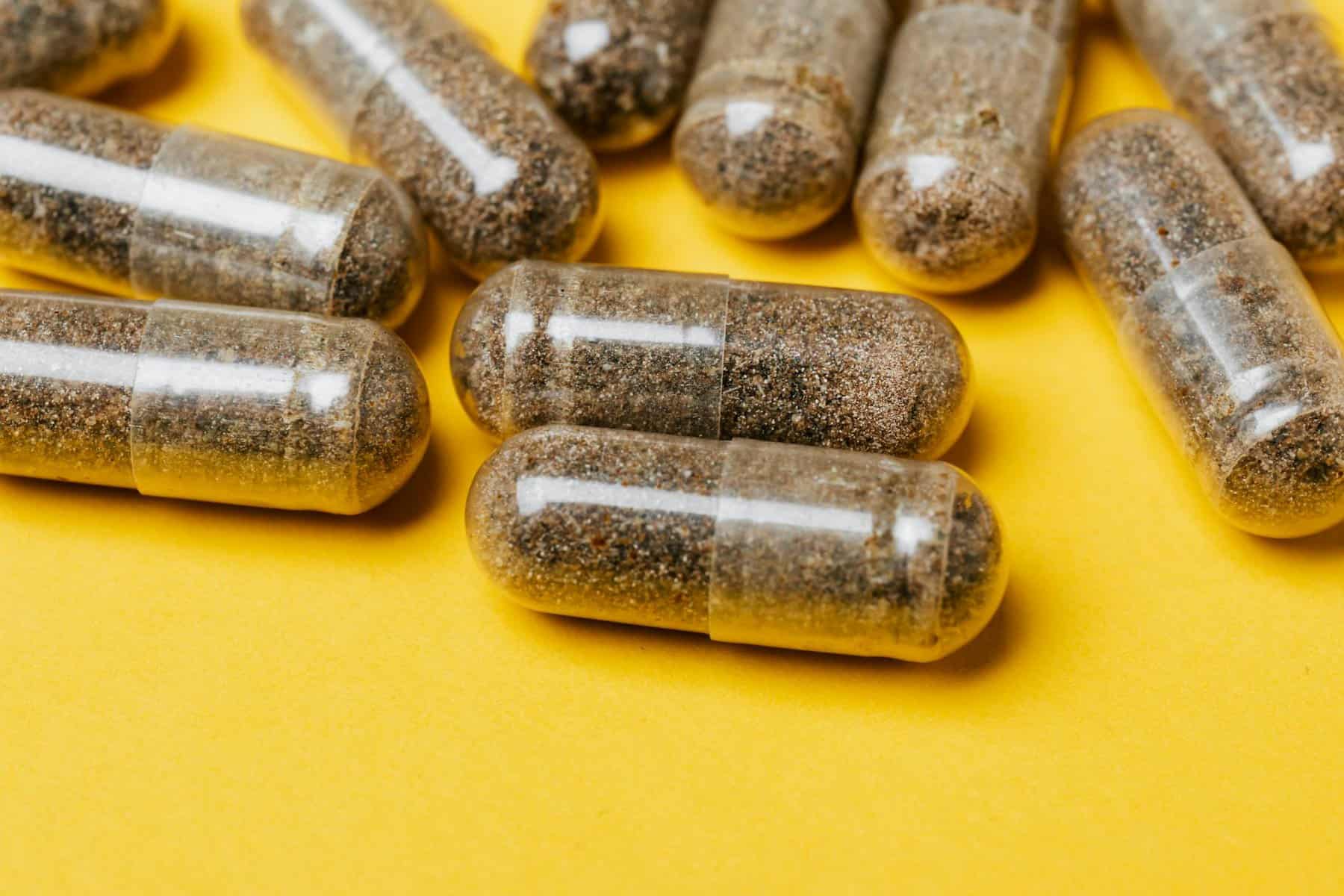
Delivered! You just got your order of supplements in the mail. These health-promising capsules are filled with some super compound, guaranteed to deliver you the fountain of youth, a full head of luscious hair, or the ability to give you super intense focus. One thing you notice is that the supplements have a vegetarian shell. This might be something you've never thought of before – What are vegetarian capsules made of? And What are regular capsules made from? In this post, we'll explain different capsule types and their uses from a food science perspective.
When you purchase dietary supplements such as probiotics or fiber supplements, they often come in a capsule form. Typically, this process involves a capsule manufacturer providing empty capsules to supplement manufacturers who will fill the capsule with the nutritional supplement. Capsules are historically made from gelatin, derived from animal products like pork or beef. In recent years, there has been an increase in vegetarian capsules to be inclusive of those with dietary restrictions, but it's not a one-size-fits-all solution. Vegetarian capsules are typically derived from cellulose-based or other plant materials and contain no other animal by-products. Learn more about the different types of vegetarian capsules that you might find in your next order of supplements.
The Building Blocks of Vegetarian Capsules
Vegetarian capsules are a popular choice for those seeking supplements that align with their dietary preferences and values. Many nutritional supplements tout the benefits of natural products. The good news is that the vegetarian capsule material is made from plant-based ingredients. This makes them easy to digest and authorize an easy release of active ingredients. There are a few different types of vegetarian capsules, but the most common materials are from cellulose, Pullulan, and Hydroxypropyl Methylcellulose or HPMC.
Powered by Plants: Cellulose-Based Capsules
The most common material to make vegetarian capsules are from plant-based materials. These offer a clear alternative to traditional gelatin capsules derived from animal sources. The primary material used is cellulose, a natural polymer that forms the cell walls of plants. Often sourced from wood pulp, like from fir trees, cellulose-based capsules are a perfect fit for vegetarians, vegans, and those with ethical or religious dietary restrictions. Different types of vegetable cellulose may also be used for the casing. There are no known potential health hazards with cellulose.
Pullulan is a chain of cellulose molecules and is derived from fermented starch. It's a natural polysaccharide that takes vegetarian capsules a step further. Pullulan capsules not only cater to vegetarians and vegans but are also free from common allergens like gluten, soy, and dairy. This makes them a perfect choice for individuals with dietary sensitivities.
Vegetarian Capsules made from Hypromellose or Hydroxypropyl Methylcellulose (HPMC): A Versatile Alternative
Hypromellose, often abbreviated as HPMC, is another key player in the world of vegetarian capsules. The raw material comes from softwood trees like pine, spruce, and fir, making it a readily available and renewable resource. HPMC serves as a popular alternative to animal gelatin in various commercial products, including capsules. However, it's important to note that some HPMC formulations can delay the release of ingredients within the digestive tract.
HPMC capsules are transparent and highly versatile. A key benefit is their moisture resistance, making them ideal for protecting sensitive ingredients that might degrade in humid environments. Additionally, HPMC capsules dissolve faster in the stomach compared to gelatin capsules, promoting quicker nutrient release and absorption.
By understanding the composition and different types of vegetarian capsules, consumers can make informed choices about their supplements. These innovative options offer a combination of ethical sourcing, improved digestion, and wider dietary inclusivity, making them a valuable addition to the health and wellness space.
The Benefits of Vegetarian Capsules: Ethics, Digestion, and Consumer Choice
For many people, health and wellness go beyond just the ingredients they consume. It's about ethical sourcing, religious restrictions, and dietary preferences. Vegetarian capsules offer a solution that aligns with a variety of needs.
Ethical and Culturally Conscious Consumption
Vegetarian capsules are made from plant-derived materials typically cellulose derived from pine or poplar trees. This makes them a perfect fit for vegetarians, vegans, and those following religious dietary restrictions that exclude animal products. By choosing vegetarian capsules, brands demonstrate respect for these ethical and cultural considerations, expanding their reach to a wider consumer base.
Enhanced Digestion and Nutrient Absorption
Beyond ethics, vegetarian capsules offer practical advantages. Designed to dissolve quickly in the stomach, promoting faster nutrient release and availability for the body. This contrasts with traditional gelatin capsules, which may take longer to break down. This potentially causes delaying the absorption of the supplement's contents.
Reduced Allergen Risk
Another benefit is their hypoallergenic nature which is basically stating they are a rare allergen. Unlike gelatin, which can trigger allergies in some individuals, vegetarian capsules are free from common allergens like gluten, soy, and dairy. This makes them a safer choice for consumers with dietary sensitivities.
Versatility for Modern Supplements
The beauty of vegetarian capsules lies in their versatility. They can effectively encapsulate various formulations, including powders, liquids, and even essential oils. As a result, this allows manufacturers to create innovative and effective supplement solutions without compromising on dietary needs.
Similarities and Differences between vegetarian capsules and gelatin capsules
There are some similarities between the two, however. You should store both vegetarian and gelatin capsules should in a cool, dry place, out of direct sunlight. Both types of capsules need to maintain low moisture content to avoid any effect on the supplement or the actives.
The main difference between vegetarian capsules and gelatin capsules is that gelatin capsule shells contain animal byproducts. Some more traditional gelatin capsules are hard-shelled capsules, whereas vegetarian capsules have a soft shell. Gelatin shells are translucent, whereas vegetable-based capsules can be opaque.
A Word of Caution
Although pills tend to have a health halo, they are not regulated by the Food and Drug Administration (FDA) in the United States. Depending on the supplement, the amount of powder or dosage of the material may be different, so always check the package for different sizes.
Do You Use Vegetarian Capsules?
The demand for vegetarian products is on the rise. By offering supplements in vegetarian capsules, brands cater to this growing segment of health-conscious consumers. This not only enhances brand appeal but also widens the market reach, making these supplements accessible to a broader audience.
Vegetarian capsules offer a win-win situation. They align with ethical and cultural preferences, promote better digestion and nutrient absorption, and cater to the growing demand for allergen-friendly products. By making this switch, brands can demonstrate their commitment to inclusivity and innovation in the ever-evolving world of health and wellness.
Thanks for stopping by to read our post!
Hope you enjoyed the post! Check out more on our homepage, and feel free to send to a friend. Let me know in the comment section if you test it out yourself!
Let us know if you like this article by leaving a comment below or tagging us on Instagram, Facebook, and Pinterest using @madetosustain! Please sign up for our mailing list for more content related to this and come back for more recipes and ideas for a more sustainable lifestyle.
Discover more from made to sustain
Subscribe to get the latest posts sent to your email.