
Best Way to Store Olive Oil To Maintain Flavor & Nutrition

Olive oil is one of the most coveted pantry staples. Add a hearty glug of olive oil to finish a dish, and you’ll get a peppery flavor and a healthy dose of omega-3s. A good quality olive oil can dramatically shape both flavor and nutrition, and storing it correctly makes a difference in taste. However, many households unknowingly shorten the shelf life of their oils by storing them incorrectly. Here’s the best way to store olive oil to help it last longer.
Why Proper Olive Oil Storage Matters
Improper handling accelerates oxidation, triggers unwanted chemical reaction pathways, and diminishes the natural antioxidants responsible for many of olive oil’s celebrated health benefits. Even the best olive oil can degrade quickly when exposed to oxygen, direct sunlight, or fluctuating storage temperature conditions.
Understanding how to store olive oil correctly preserves its rich flavor, maintains nutritional value, and helps keep olive oil fresh for daily use.
Olive Oil Is Highly Sensitive to Its Environment
Exceptional extra virgin olive oil contains delicate polyphenols, chlorophyll compounds, and monounsaturated fats that are vulnerable to deterioration. The main factors that damage oil’s quality are:
- Light exposure
- Heat sources
- Oxygen exposure
- Improper containers
When olive oil is exposed to any of these elements, it starts to degrade. The acidity level rises, aromatic compounds dissipate, and the oil gradually turns rancid. If you’re not familiar, rancid oil smells like wet cardboard.
The Nutritional Value Declines Over Time
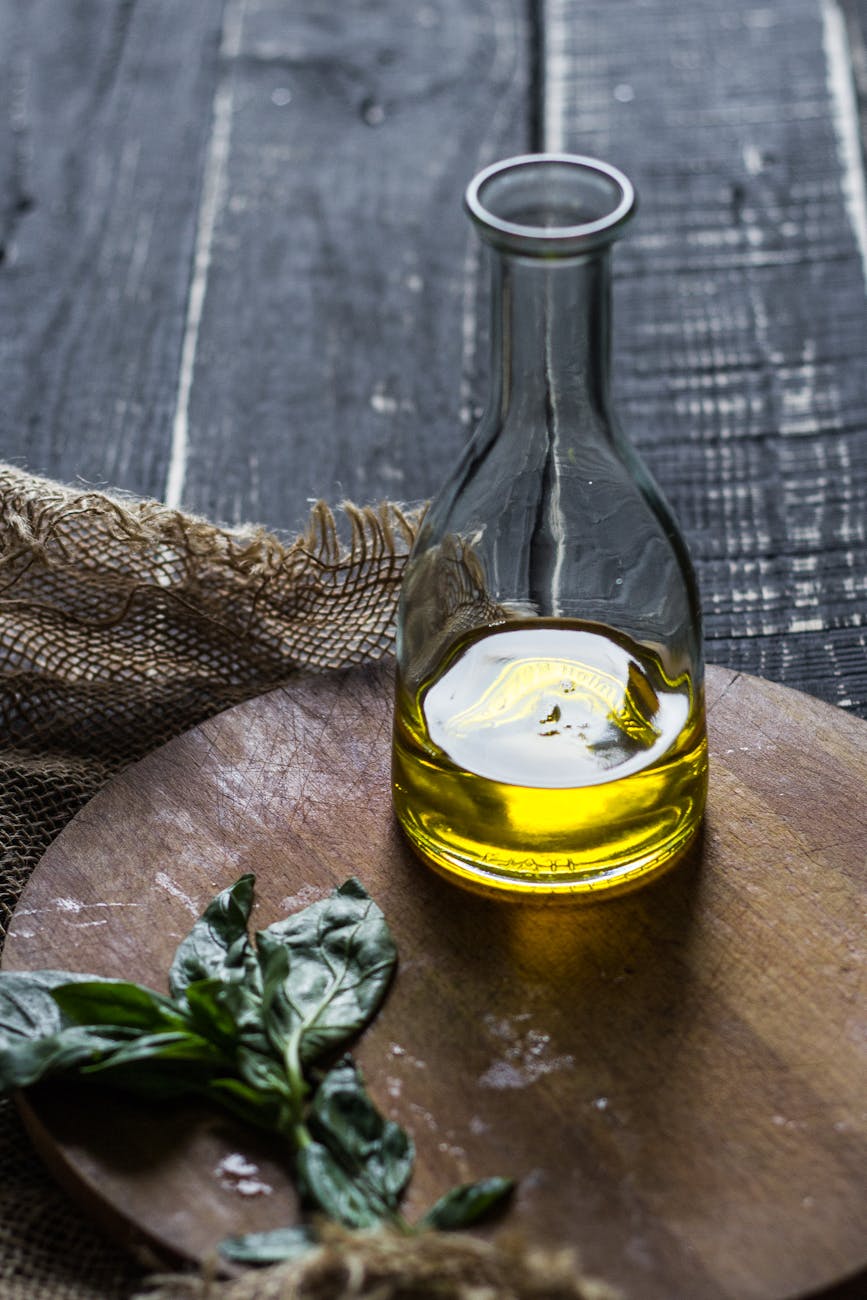
Unlike wine, olive oil does not improve with age. Even a premium bottle of extra virgin should be consumed while the oil remains vibrant and aromatic.
The health benefits associated with olive oil stem largely from its natural antioxidants and anti-inflammatory compounds. Scientific research published in the Oil Crop Science has demonstrated that heat and oxygen accelerate oxidative degradation, reducing antioxidant activity and compromising nutritional value.
As oxidation progresses, the oil loses both potency and best flavor. This means proper storage is not merely about taste. It directly affects the quality of your oils and their wellness-supportive properties.
The Ideal Conditions for Olive Oil Storage
Store Olive Oil in a Cool, Dark Place
The ideal place to store olive oil is a cool area away from direct sunlight and heat sources. A dark cupboard or kitchen cabinet located far from the stove provides the best results for most households.
The ideal temperature for olive oil storage is generally between 57 and 70 degrees Fahrenheit, or room temperature. Contrary to popular belief, cold storage is not beneficial to preserving olive oil.
Wine cellars can offer excellent ideal conditions because they naturally minimize temperature fluctuations and light exposure.
Avoid Storing Olive Oil Near Heat Sources
Many people keep a bottle of olive oil beside the stovetop for convenience. Unfortunately, this is one of the fastest ways to deteriorate oil’s quality.
Heat accelerates oxidation and destabilizes flavor compounds. Frequent exposure to warm air can dramatically shorten shelf life, even over a short time.
Avoid storing olive oil near:
- Ovens
- Dishwashers
- Microwaves
- Windows
- Coffee makers
- Toasters
A kitchen cabinet away from appliances is typically a much safer environment.
Best Containers for Olive Oil
Dark Glass Bottles Offer Superior Protection
The best containers for olive oil are dark glass bottles because they shield the oil from damaging ultraviolet rays.
A dark green bottle or amber-colored container significantly reduces light exposure compared to clear packaging. Many olive oil producers intentionally package premium oils in dark glass bottles to protect freshness during transportation and storage.
If possible, purchase oils already packaged in:
- Dark glass bottles
- Stainless steel containers
- Ceramic cruet vessels designed for oils
These materials help preserve olive oil fresh for longer periods.
Avoid Plastic Containers Whenever Possible
Plastic containers may seem convenient, but they are not ideal for long-term olive oil storage. If you know you will use your olive oil quickly (within a few months) this is ok.
Plastic containers are lighter to transport, which means less weight on freight. This offers better fuel efficiency. But make sure your container can be recycled in your area.
Certain plastics can interact with oils over time, especially when exposed to heat. This may affect flavor integrity and contribute to subtle chemical reaction issues that compromise overall quality.
In addition, plastic often permits greater oxygen permeability than glass or non-reactive metals.
For best quality preservation, choose:
- Stainless steel dispenser systems
- Dark glass bottles
- Ceramic cruet options
- Containers made from non-reactive metals
Use Smaller Bottles for Better Freshness

Large containers expose more oil to oxygen exposure every time they are opened. Smaller bottles help minimize repeated air contact and preserve best flavor.
The ideal container size is 2L.
Many culinary professionals transfer a small amount of oil into a ceramic cruet or stainless steel dispenser for daily use while keeping the remaining oil sealed in its original container.
This strategy helps maintain the quality of olive oil without sacrificing convenience.
Should Olive Oil Be Refrigerated?
Refrigeration Is Unnecessary
For most households, refrigeration is not required. Olive oil maintains excellent stability at normal room temperature when stored properly in a dark place.
Cold temperatures can cause olive oil to solidify or become cloudy as the oil shifts from liquid state into semi-solid form. While this does not necessarily damage the oil, repeated temperature fluctuations may negatively influence texture and flavor consistency. It also makes it very inconvenient to use.
How Long Does Olive Oil Last?
Understanding Shelf Life
Most exceptional extra virgin olive oil maintains peak freshness for approximately 12 to 18 months after harvest when stored under ideal conditions.
Once opened, a bottle of olive oil is generally best consumed within 1 to 3 months for optimal aroma and nutritional value.
The shelf life depends heavily on:
- Storage temperature
- Light exposure
- Oxygen exposure
- Packaging quality
- Types of olive oil
Delicate finishing oils may degrade faster than more robust varieties.
Signs Your Olive Oil Has Gone Bad
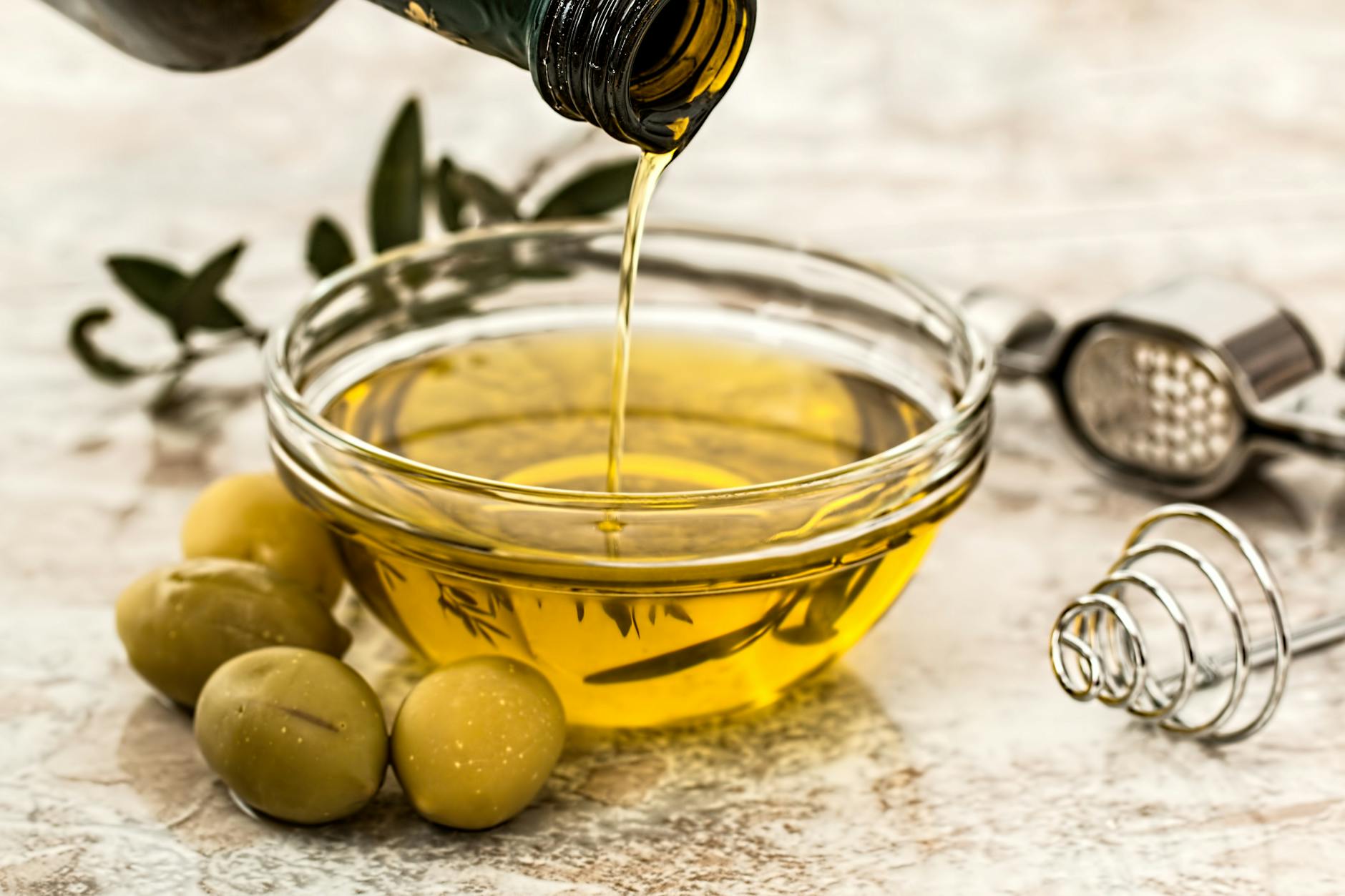
Rancid oil develops unmistakable sensory characteristics. The once rich flavor becomes flat, waxy, or stale. It tends to smell like wet cardboard.
Common signs include:
- Crayon-like aroma
- Musty smell
- Bitter metallic aftertaste
- Greasy mouthfeel
- Loss of vibrant fruitiness
Fresh olive oil should smell grassy, peppery, herbaceous, or slightly fruity, similar to fresh fruit juice aromas.
If the oil smells dull or unappealing, it is likely past its prime and unappetizing.
Practical Storage Tips for Everyday Kitchens
Storing your olive oil properly will help preserve it’s life span. Here are some tips to help you decide where to keep it.
Store Your Olive oil in a Cool Place
Not all of us have a wine cellar that we can store our olive oil in. But up in the North East, many of us have basements. A Basement is a great spot to store olive oil that you’re not using. If you don’t have one, the bottom shelf of a pantry will work well.
Limit Air Exposure
Always close the sealed container immediately after pouring. Excessive oxygen exposure is one of the top causes of causing rancidity.
If you have a smaller bottle that you’re using, make sure there’s a topper that will limit exposure to oxygen. Avoid leaving the cap off while you’re cooking.
Buy Oil in Quantities You Will Use Quickly
Purchasing enormous containers may seem like the thriftier option, but maintaining quality matters more in the long run. If you decide to purchase in large quantities, make sure you transfer only the amount you need into a smaller container. Then keep the rest in a cool and dry place.
If you’re not an avid user of olive oil, a smaller bottle might be a better purchase because it will help preserve the oil’s quality and prevent waste.
Choose High-Quality Oils From Trusted Producers
Reputable brands prioritize freshness and protective packaging. Many consumers look for harvest dates and sourcing transparency when selecting the best olive oil.
Brands such as California Olive Ranch have helped popularize fresher domestic oils with clearer labeling standards and protective packaging practices.
The Bottom Line on Olive Oil Storage
The best way to store olive oil is surprisingly simple: keep it in a sealed container, away from direct sunlight, in a cool area with stable room temperature conditions.
Proper storage protects flavor, extends shelf life, and safeguards the health benefits associated with high-quality oils. Whether you use a dark green bottle, stainless steel dispenser, or ceramic cruet, minimizing light exposure and oxygen exposure remains essential.
By choosing the best containers and maintaining ideal conditions, you preserve the integrity of every bottle of extra virgin olive oil — ensuring each drizzle delivers the best flavor, best quality, and fullest nutritional value possible.
Discover more from made to sustain
Subscribe to get the latest posts sent to your email.