Myths About Organic Foods Debunked | Food Scientist Explains

After working in the food ingredients industry for more than a decade, I’ve seen firsthand how many myths about organic foods continue to circulate. While organic agriculture certainly has advantages, some of the most common myths surrounding organic foods simply aren’t supported by the most current scientific evidence.
My goal isn’t to convince you to buy or avoid organic. Instead, it’s to help you understand what the USDA Organic label actually means so you can make informed decisions that fit your budget and your priorities.
What Does the USDA Organic Label Actually Mean?
The U.S. Department of Agriculture oversees organic certification in the United States through strict organic standards.
To earn the organic seal, farms must follow USDA’s organic rules, which regulate everything from organic farming methods and crop rotations to livestock care and the use of approved inputs.
These standards generally prohibit:
- Most synthetic pesticides
- Many synthetic chemicals
- Most synthetic substances
- Genetic modification through genetic engineering
Instead, producers rely on approved natural materials, biological controls, mechanical weed management, and a limited list of organic pesticides deemed safe by the EPA.
However, one of the biggest myths about organic foods is that they mean “chemical-free.”
Everything—including water—is made of chemicals. Many naturally occurring chemicals can also be toxic under certain conditions. Think arsenic or cyanide.
The important distinction is that organic methods restrict which substances may be used rather than eliminating them altogether.
This is one of the biggest common misconceptions about organic agriculture.
One Of The Biggest Myths About Organic Foods: They Are Automatically More Nutritious
Walk through any grocery store, and you’ll quickly notice that organic produce commands higher prices. For many shoppers, the organic label has become synonymous with better nutrition, fewer chemicals, and better health.
But is that actually true?
Perhaps the biggest myth surrounding organic produce is that it contains significantly more vitamins and minerals than conventional produce.
Current research generally shows that both conventional agriculture and organic systems produce foods with very similar nutrient content.
Why?
If your goal is simply eating more nutritious food, increasing your overall fruit and vegetable intake matters far more than choosing between organic and conventional.
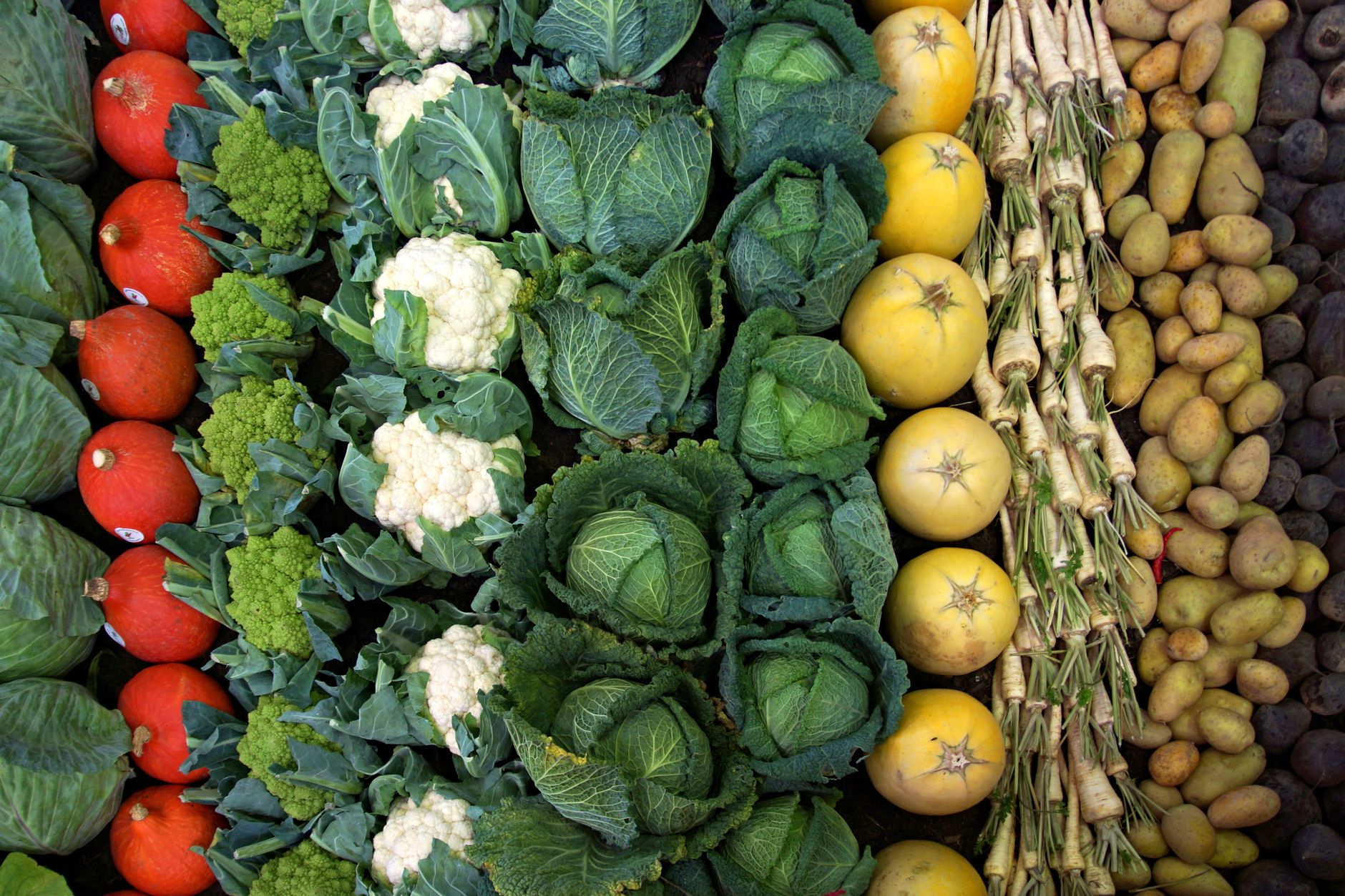
Plants absorb nutrients from healthy soil regardless of whether they’re grown under conventional farming or organic systems. As long as soil health and soil fertility are maintained, the resulting crops usually contain similar amounts of essential nutrients.
For most fruits and vegetables, studies have found only small or inconsistent differences in vitamin C, minerals, antioxidants, and overall nutritional value.
In other words, buying organic doesn’t automatically guarantee greater nutritional benefits or better health benefits.
If your goal is simply eating more nutritious food, increasing your overall fruit and vegetable intake matters far more than choosing between organic and conventional.
The Exception: Regenerative Agriculture May Improve Nutrient Density
There is one important exception worth discussing: Regeneratively grown crops.
Emerging research from the Nutrient Density Alliance suggests that regenerative farming systems may produce crops with greater nutritional value than either conventional or certified organic systems.
Unlike traditional organic production alone, regenerative systems place additional emphasis on:
- Improving soil health
- Increasing biodiversity
- Building soil fertility
- Supporting the entire on-farm ecosystem
- Implementing additional sustainable farming practices
Some studies from the Nutrient Density Alliance have found improvements in certain minerals and antioxidants when these practices are used.
However, regeneratively grown foods are still relatively uncommon in today’s food supply, so most shoppers comparing conventional and organic products at the supermarket are unlikely to notice meaningful differences in nutrient content.
More Myths: Organic Foods are 100% Organic
Many consumers assume every ingredient inside certified organic food products must be organic.
That’s not always true.
Under USDA Organic regulations, manufacturers may use certain non-organic ingredients when no commercially available organic alternative exists.
These ingredients must appear on an approved list of common ingredients.
For example, some organic infant formulas contain probiotic ingredients that cannot currently be sourced organically. Because no equivalent organic version exists, these ingredients may still be included while the finished product qualifies as certified organic.
The same situation can apply to:
- Specialized flours and starches
- Hydrocolloids
- Probiotics
- Vitamins & Minerals
- Other functional ingredients
This doesn’t weaken organic certification—it’s simply how the regulations are designed to ensure important nutritional and functional ingredients remain available.
Why Is Organic More Expensive?
Many shoppers notice the higher costs associated with organic products and wonder why.
The answer begins long before crops reach the supermarket.
To become certified, organic farms must complete a lengthy transition period while following strict production requirements before receiving organic certification.
During this transition:
- Farmers often experience reduced yields
- Certification fees and inspections increase expenses
- New traceability and management systems may be required
- Additional labor is often necessary
- They cannot carry the prestigious organic seal until the seven-year transition is complete.
Because organic farmers cannot always rely on the same pest-management tools used in conventional farming, crops may experience greater losses from insects, diseases, and weeds.
The result is often a smaller amount of food harvested per acre.
Those lower yields and higher care into the crops contribute directly to the higher prices consumers pay at the checkout.
Myths About Organic Foods: They are More Sustainable
Many people assume organic farming is automatically better for the environment.
The reality is more nuanced.
Because yields can be lower, producing the same amount of food may require a larger land and carbon footprint.
Using more land can increase demands for:
- Water
- Labor
- Energy
- Transportation
Depending on the production system, this larger land requirement may increase greenhouse gas emissions associated with climate change.
This doesn’t mean organic cannot support sustainability.

Many organic growers implement excellent sustainable farming practices like composting systems, cover crops, and crop rotations that improve ecological balance and long-term soil health.
It’s not a requirement to be considered organic. This leans more toward regenerative agriculture practices. But sustainability depends on the entire farming system—not simply whether a crop carries an organic label.
Organic Farmers Still Use Pesticides
Another widespread belief is that organic foods contain no pesticides.
This simply isn’t true.
Like all farmers, organic farmers must protect crops from insects, diseases, and fungi. Organic production generally relies on approved natural pesticides and certain natural sources, while conventional farming may use both natural and synthetic options.
These pesticides are more expensive, which contributes to the increased cost of organic foods.
Some approved organic pesticides include materials like copper sulfate, which has been used for decades to manage fungal diseases.
Importantly, the origin of the pesticides—whether natural or synthetic—does not automatically determine their safety.
Both natural and synthetic pesticides are evaluated before approval, and all food sold in the United States must meet strict safety standards regarding pesticide residues.
Should You Worry About Pesticide Residues?
Many shoppers are concerned about pesticide residues found on produce. The good news is that both organic and conventional foods undergo extensive monitoring.
Conventional produce is regularly tested to ensure residues remain well below established safety thresholds. Organic products may contain less pesticide residue overall, but “less” does not mean “none.”
The Dirty Dozen list often receives significant media attention in recent years, yet many toxicologists point out that residue levels found on produce are typically far below amounts considered harmful. It’s more a scare tactic than anything else
Whether you buy organic or non-organic foods, washing fresh produce before eating is always recommended.
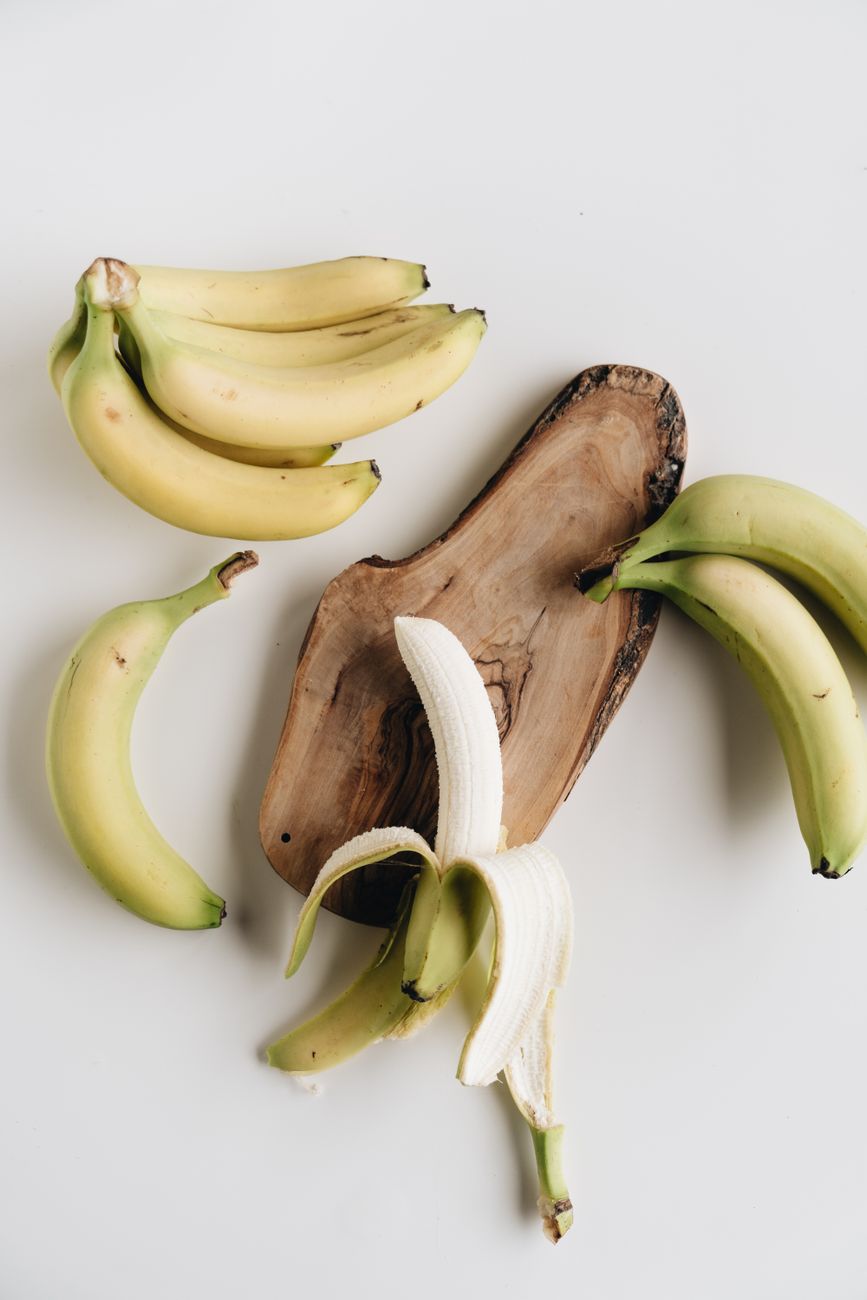
Peeling fruits with thick skins—such as avocados and bananas—can further reduce exposure since residues are largely confined to the exterior.
Organic Doesn’t Automatically Mean Safer
Some consumers believe organic foods eliminate food safety risks. Unfortunately, that’s another common misconception.
Neither conventional nor organic production completely eliminates foodborne pathogens like E. coli, Listeria, or Salmonella.
In fact, because some organic systems rely on manure-based fertilizers, improper management could theoretically contribute to higher levels of potential pathogens if food safety protocols aren’t followed correctly.
Fortunately, commercial farms must follow strict food safety regulations designed to protect public health regardless of whether crops are organic or conventional.
Washing fresh produce remains one of the simplest ways to reduce risk.
Organic Is About Farming Philosophy—Not Guaranteed Health
The organic growing philosophy focuses on reducing reliance on synthetic inputs while supporting long-term environmental stewardship. It veers towards regenerative farming, but is not a requirement to quite get there. These goals include:
- Supporting animal welfare
- Protecting biodiversity
- Improving soil fertility
- Maintaining ecological harmony
- Encouraging sustainable farming practices
These are honorable objectives. However, they shouldn’t be confused with guaranteed better health outcomes or dramatically superior nutrition.
Organic products are often compared with their conventional counterparts, and while farming practices differ, the foods themselves are usually much more similar nutritionally than many consumers expect.
Frequently Asked Questions
Are organic fruits & Vegetables healthier?
Not necessarily. Most research shows organic fruits and conventional fruits provide very similar amounts of vitamins, minerals, and other essential nutrients.
Does organic mean pesticide-free?
No. Organic farms still use approved organic pesticides. The difference is which products are permitted under federal regulations.
Are organic foods worth the extra money?
If buying organic foods aligns with your values and budget, they can be an excellent choice. But if affordability is your priority, conventional fruits and vegetables remain highly nutritious.
Are conventional foods safe?
Yes. Both conventional and organic foods sold in the United States must comply with rigorous safety standards established to protect consumers.
Myths About Organic Food Debunked
The bottom line is that organic doesn’t automatically mean healthier.
While organic farming methods emphasize environmental stewardship and reduced reliance on certain synthetic inputs, current research suggests that most organic and conventional produce provide very similar nutrition.
Buying organic is a personal decision. Some people prioritize environmental values, support small farms or local farmers, or simply prefer the organic look and philosophy. Others choose conventional foods because they are more affordable and allow them to eat more fruits and vegetables.
Rather than focusing solely on the organic label, consider the bigger picture:
- Eat plenty of fruits and vegetables.
- Wash fresh produce before eating.
- Choose foods that fit your budget.
- Support farming systems that promote healthy soils and sustainable food production.
Organic farming certainly has an important place in today’s food system, but understanding its strengths—and its limitations—helps consumers make better-informed decisions. Whether you choose organic options or conventional produce, consistently eating a diet rich in whole plant foods will likely have a far greater impact on your health than the label on the package. The most trustworthy labels are the ones you understand. Knowing what the organic seal represents allows you to shop with confidence, whether you choose organic or conventional foods for your family
Discover more from made to sustain
Subscribe to get the latest posts sent to your email.