How to Buy Sustainable Grains For A Better Climate

By: Marcus Griswold, PhD | Guest Contribution | 05. 13. 2026
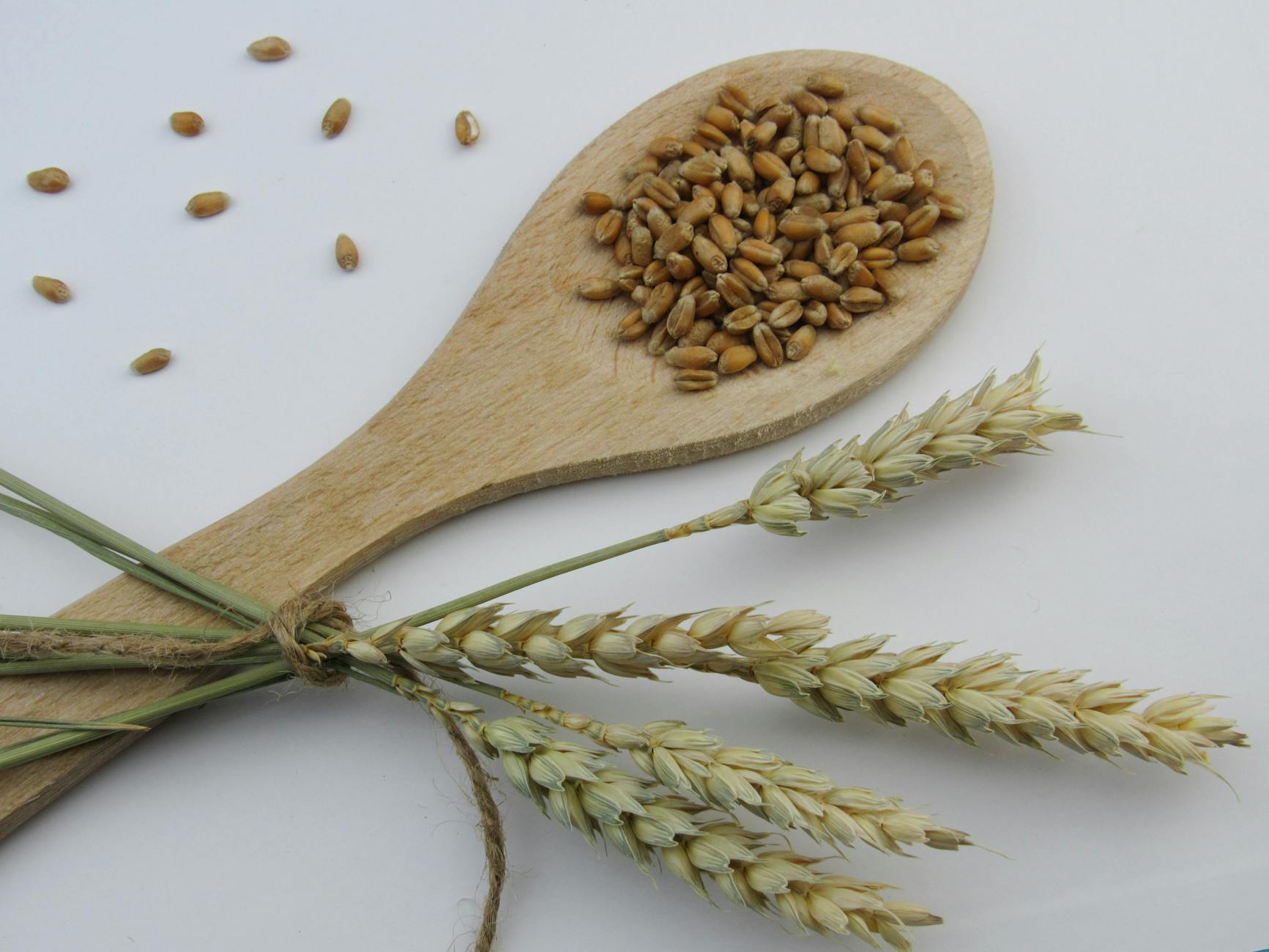
Growing up, I remember having to draw out the food pyramid, and let’s just say it was loaded with grains. In those days in the U.S., it was easy. We looked at wheat, rice, and oats. Now we have so many more options. Since they are a big part of our daily diet, it’s important to determine healthy grains and sustainable grains.
Now, there are plenty of resources out there to tell us which grains are healthy. But another part of choosing a grain is whether it’s a sustainable grain or not. This requires us to look at the environmental impact. A few things include the amount of energy or water used, whether pesticides were used, and how the grain travels from the farm to our homes.
Less than fifteen crops make up 90% of the world’s daily caloric intake. Grain crops like wheat, rice, and maize account for almost half of it.
We are going to focus on the sustainability of grains commonly used in your home: rice, quinoa, and wheat. Of these three, wheat provides the greatest benefit for reducing water use and climate change. Quinoa is the best choice for reducing pesticide consumption in your food.
Sustainable Grains and Water Use
Everything we grow requires water, and often what we eat has the largest water footprint. In fact, farms account for about 70% of all water use globally. This is a hidden water volume, because we don’t see the water used. For reference, the average household uses 60-100 gallons of water a day.
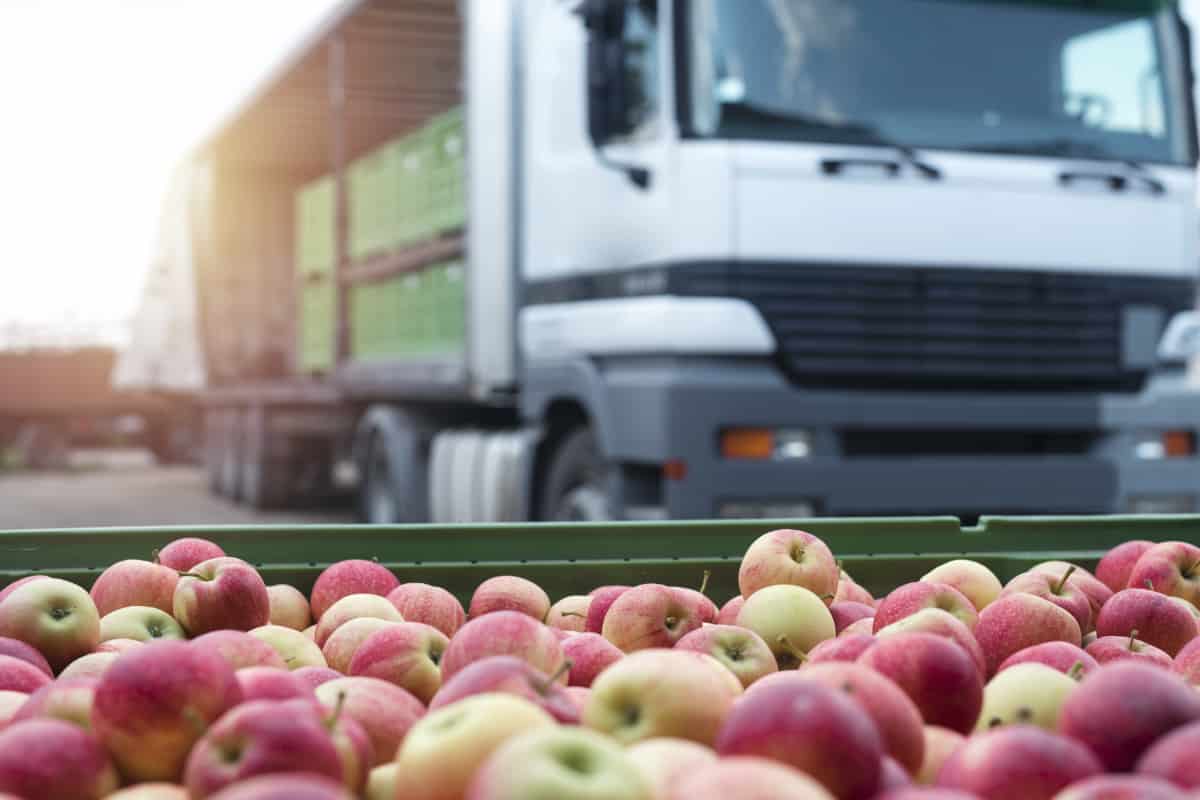
Most food must be transported from thousands of miles away (aka Food miles). Every bite you take has an impact on our global water supply. It also affects the amount of water left in rivers and lakes in communities where our food comes from. This means taking a look at where your grain comes from is important.
Water to Food provides a calculation of water vs pound of food we consume:
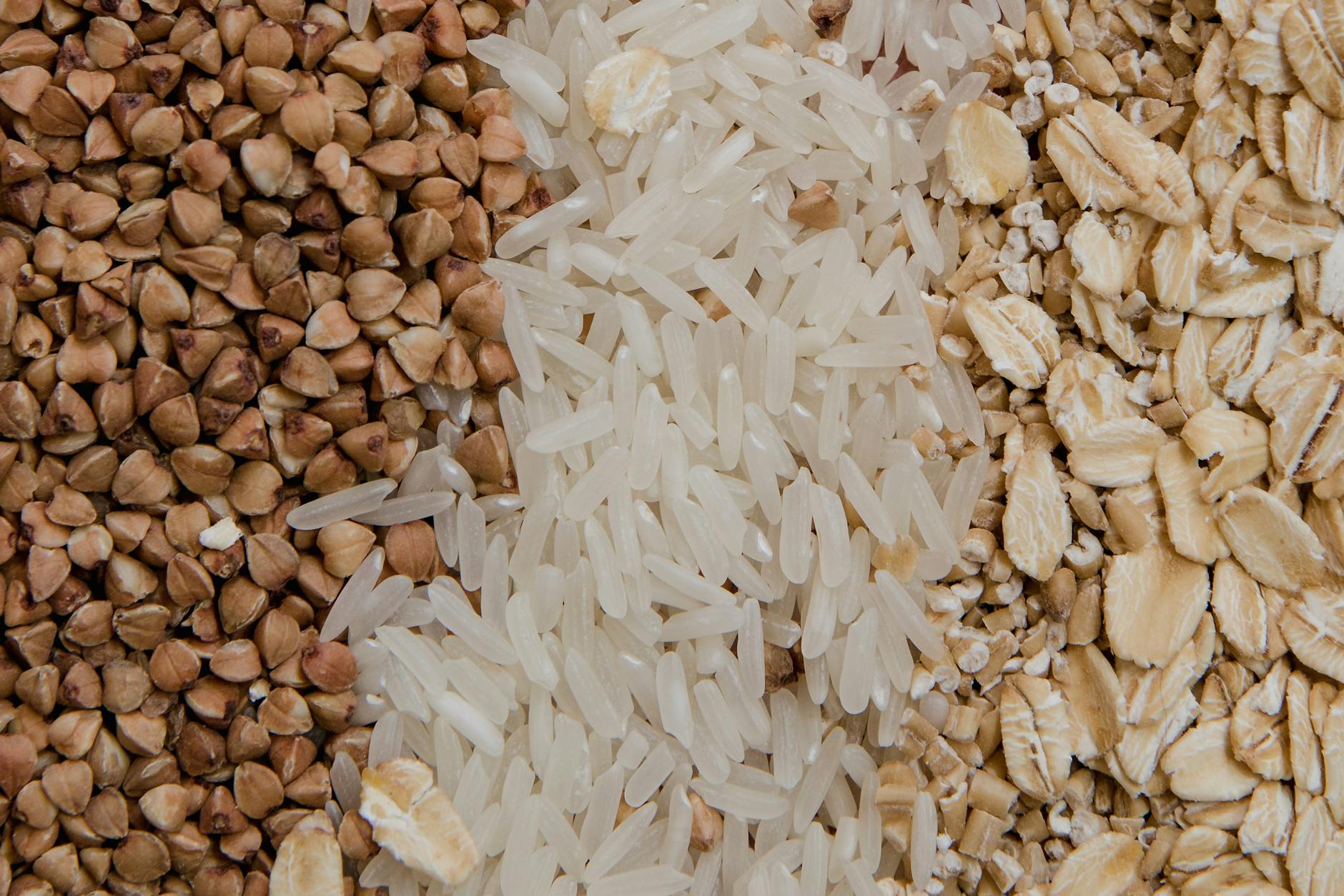
- Wheat uses from 54 to 360 gallons of water to pound of food. Countries with the highest use include Iran, Kazakhstan, Korea, and Turkmenistan. Countries that use the least include Western European countries such as Sweden, the UK, Ireland, Denmark, and Germany.
- Rice uses from 84 to 720 gallons of water to pound of food. Countries with the highest use include Turkmenistan, Guinea, and the Congo. Countries that use the least include China, Korea, Japan, Vietnam, and Peru.
- Quinoa is primarily produced in Ecuador, Peru, and Bolivia. It uses from 203 to 790 gallons of water to pound of food.
Whole grains generally don’t require as much water as other crops. Many “ancient” and heirloom whole grains are often more tolerant of extreme weather patterns than their commodity counterparts. For example, proso millet (the main type of millet sold in the U.S.) has the lowest water requirement of any grain crop. Pearl millet is most able to tolerate extremes of heat and drought.
On the other hand, milled flours and oats (e.g., oatmeal) tend to have bigger water footprints than their primary crop (i.e., wheat). This is because of the water consumption associated with processing.
While quinoa appears to have a high water useage, it replaces other crops that require high irrigation like rice in South America. The challenge is that quinoa is not produced at the commercial levels of rice and wheat. Therefore, it produces less per acre of land. You can cultivate quinoa in a variety of conditions. From the very dry to humid, from sea level to an elevation of 12,000 feet, and on acidic, nutrient-poor soils with different levels of acidity and alkalinity. Quinoa is often grown in dryland or rainfed systems. It relies primarily on natural rainfall rather than irrigation.
Sustainable Grains And Climate Change
When it comes to climate change, we primarily think about how agriculture contributes to emissions of carbon dioxide and methane. But we also need to consider the emissions from the fertilizers used, the machinery used, and the transportation.
One tool for you to start with is My Emissions Calculator. This shows wheat is the winner with 326 grams of carbon dioxide equivalent per pound, quinoa with 370 g, and rice with a whopping 614 g. For reference, the average person has a carbon footprint of 10,000 grams a day, though for people in the U.S., it’s 30,000 grams a day.
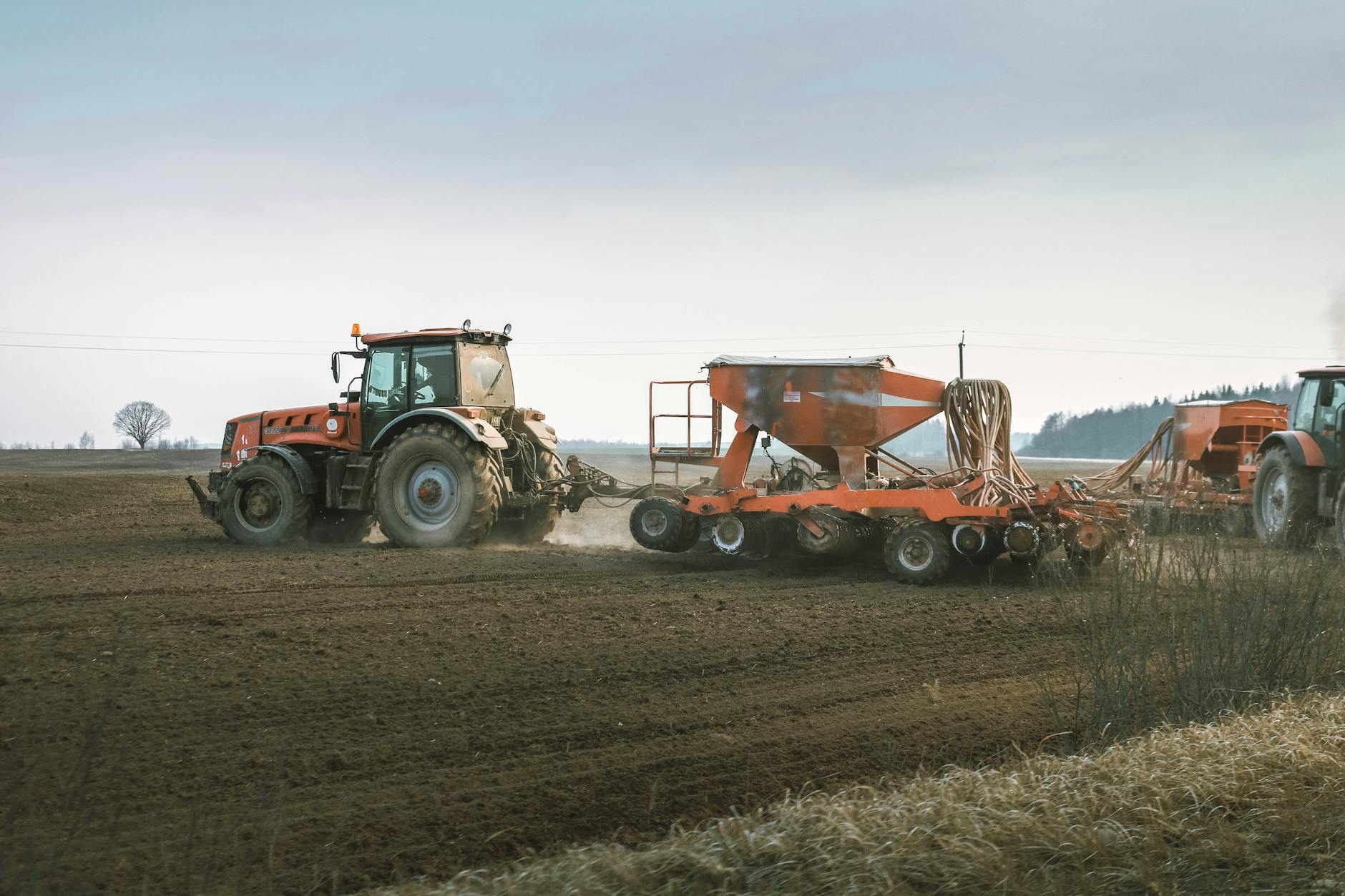
Wheat production contributes to greenhouse gas emissions, primarily due to the use of nitrogen fertilizers which release nitrous oxide into the atmosphere and are about 98 percent of wheat’s carbon footprint. Looking for companies that use fewer fertilizers can reduce your food footprint.
For quinoa the largest climate impacts in growing quinoa come from the diesel used in machinery to produce the crop and the fertilizers used to grow it. Fortunately, these are two relatively easy impacts to reduce with improved sustainability initiatives.
Rice is the third-most cultivated cereal crop globally. It accounts for about one-fifth of all calories consumed. Rice is responsible for about 1.5% of global greenhouse gas emissions and 48% of total GHG emissions from agriculture. Because rice grows in paddies, it produces large amounts of methane. Methane is one of the most toxic climate gases, and makes it the worst grain for addressing climate change. It’s exceptionally hard to reduce the footprint of rice. It may require you to offset your carbon in another way.
Grains and Pesticide Use
The use of pesticides is difficult to track, yet extremely important. Mom’s Across America tested 46 gluten free food products for pesticides in 2024. They found that 44 out of 46 of the samples came back positive for glyphosate. More concerning is that 21% of the samples were positive for glyphosate at levels higher than 10 ppb. The EU default threshold for acceptable pesticide residues.
We come into contact with thousands of pesticides in our food every day. Some are more toxic than others. If you are old enough you may remember running behind the DDT truck, a mistake that led to massive impacts to the health of people and wildlife.
Over 1 billion pounds of pesticides are used in the United State each year. Approximately 5.6 billion pounds are used worldwide. Pesticides can lead to health effects including cancer, effects on reproduction, immune or nervous systems.
A good source of information for pesticides found in food is Beyond Pesticides. A search of their database found that the number of pesticides allowed to be on the grain when sold was lowest for quinoa and highest for wheat.
Effects of Pesticides
For quinoa, there are 23 pesticides permissable for usage. Of these pesticides, 7 are toxic for farmworkers, 21 are linked to chronic health problems (such as cancer), 7 are toxic to streams or groundwater, and 21 are poisonous to wildlife. This might be because quinoa has a natural pesticide on its surface called saponins. Rinsing quinoa removes the coating of saponins which can taste bitter.
For rice, there are 54 pesticides that can be on the grain when sold including 21 that are toxic for farmworkers. Forty-eight are linked to chronic health problems (such as cancer). Eighteen different pesticides contaminate streams or groundwater, and 43 that are poisonous to wildlife.
For wheat, there are 68 pesticides permissble for usage on the crop. Of these, 25 that are toxic for farmworkers, 61 linked to chronic health problems (such as cancer), 23 that contaminate streams or groundwater, and 57 that are poisonous to wildlife.
Sustainability Actions to Make Grains Greener
More than three-quarters (80%) of consumers said they are more likely to trust companies that back up their sustainability claims in a recent survey. But many people also did not trust sustainability claims by large companies, as more companies are greenwashing their marketing efforts. However, more companies are beginning to invest in regenerative agriculture to help bring life back to our soil, water, and ecosystems.
Companies that Promote Sustainable Grains
Below are a few smaller companies that aim to provide the most sustainable versions of the grains we love.
Wild rice, or manoomin in the Ojibwe language, is a sacred food and a staple in the diet of Indigenous peoples in Minnesota. It is the only grain native to North America. Ojibwe traveled to this area in search of the “food that grows on water” or the wild rice native to Minnesota. You can buy this rice online and support the indigenous culture, while protecting wild rice lakes from the development of oil pipelines.
Quinola Organic Quinoa is a B Corp company selling quinoa. They only sell Peruvian organic quinoa, with no pesticides or herbicides allowed, as well as French-grown wholegrain quinoa which is very nearly organic. In the latter case, no herbicides are allowed, but a single application of pesticide during flowering is allowed. If needed, to keep the aphids under control before the ladybirds do it for us.
If you live in the Mid-Atlantic part of the United States you can take a look at Common Grain Alliance. They connect and support farmers, millers, bakers, and grain artisans to build a vibrant, integrated, equitable and regenerative grain economy in the Mid-Atlantic. They focus on not using pesticides and fertilizers. They also have events and trainings including culturally sensitive training programs to advance minority farmers’ access to land and resources.
Other Ways to Source Sustainable Grains
In addition to choosing sustainable companies, we can focus on what we know to reduce our climate and water impact while protecting our health. In most cases, buying local supports sustainability. The organic label in the U.S. continues to provide some level of protection. A new label for rice is the SRP-Verified label which certifies rice that supports sustainable farming of rice.
If you are able, go to the farm where you get your food or grow it yourself. Growing quinoa and amaranth are easy to do in your backyard and provide a beautiful flower as well.

About the Author
Marcus Griswold has over 15 years of experience working at the interface between the public and sustainability initiatives for non-profits and government agencies. He has spent a large portion of his time helping stakeholders understand, develop and interpret sustainability initiatives. He currently is a writer at Little Green Myths.
Discover more from made to sustain
Subscribe to get the latest posts sent to your email.