Fresh vs Frozen Vegetables: Which Is More Nutritious?

When people start comparing fresh vs frozen vegetables, the conversation can become surprisingly passionate. One side insists that only farm-stand kale and crisp broccoli deserve a place on the dinner table. The other side praises the convenience of the frozen foods aisle and argues that frozen peas can be just as nourishing as their fresh counterparts.
The good news is that the science tells a much more straightforward story.
At the end of the day, both fresh vegetables and frozen vegetables support healthy choices. The real question is not whether one category is one better than the other, but whether the vegetables maintain their nutritional value from harvest to plate.
In many cases, frozen produce actually retains more nutrients than vegetables sitting in cold storage for extended periods. Yet there are also times when fresh produce harvested at peak ripeness delivers exceptional flavor and nutrient density.
Here is what the science says about fresh vs. frozen vegetables and how to make the best choice for your kitchen, your budget, and your health.
Understanding How Vegetables Lose Nutrients
Many people assume that fresh vegetables are automatically healthier because they look vibrant and natural. Therefore, frozen vegetables must not have as many nutrients, right?
Wrong.
Why Timing Matters More Than Most People Realize
Fresh produce transported across the country may spend days in trucks, warehouses, grocery displays, and home refrigerators before being eaten. During that journey, measurable degradation can occur. That means the fresh broccoli sitting in the local grocery store may no longer be at peak ripeness by the time it reaches the dinner table. This creates a significant difference between vegetables picked and eaten immediately versus vegetables harvested early for longer storage and shipping durability.
Vegetables start chemically changing the moment they are harvested. Exposure to oxygen, light, fluctuating temperatures, and moisture gradually causes nutrient loss. This process particularly affects delicate compounds such as Vitamin C and certain water-soluble vitamins, including Vitamin B compounds like folate and thiamine.
The Role of Peak Freshness in Nutrition
Vegetables accumulate nutrients as they grow. Produce harvested at peak ripeness often contains optimal levels of antioxidants, carotenoids, polyphenols, and essential vitamins.
But the modern food supply chains complicate this ideal scenario.
Many fresh fruits and veggies, like tomatoes, are picked before they fully ripen. This is so they can survive transportation without bruising or spoilage. While this practice reduces food waste during shipping, it can also affect texture, flavor, and nutritional value.
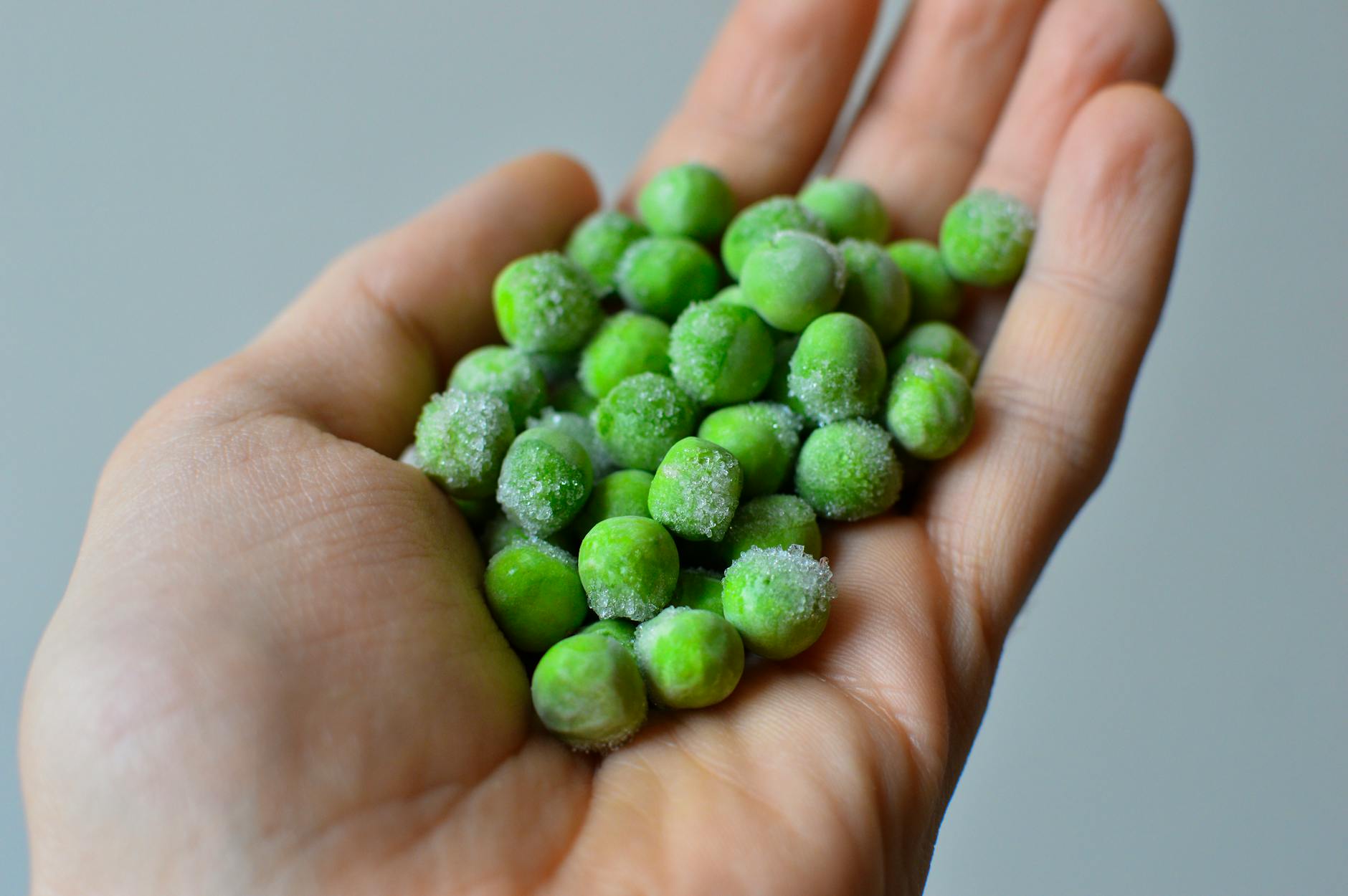
Frozen vegetables, on the other hand, are typically processed within hours of harvest. They are immediately taken from the field to a blast freezer where the nutrition is preserved. This timing allows manufacturers to preserve vegetables when nutrient levels are naturally high.
Frozen vegetables are often preserved closer to their nutritional peak than many fresh counterparts sold commercially.
What Happens During the Freezing Process?
The freezing process used in commercial kitchens and industrial food facilities is remarkably sophisticated.
How Frozen Vegetables Are Prepared
After harvesting, vegetables are washed, trimmed, and quickly frozen at extremely low temperatures. Before freezing, most vegetables undergo a blanching process.
Blanching involves briefly exposing vegetables to hot water or steam before rapid cooling.
This step serves several important functions:
- It reduces harmful bacteria
- It slows enzyme activity that causes spoilage
- It helps preserve color and texture
- It extends the shelf life
Green beans, peas, carrots, corn, and broccoli are commonly blanched before freezing. Some consumers worry that the blanching process destroys nutrients. There is some truth to this concern. Water-soluble vitamins like Vitamin C and certain Vitamin B compounds can decline slightly during blanching.
However, once frozen, nutrient degradation slows dramatically. As a result, frozen vegetables may maintain stable nutrient levels for months compared with fresh produce, which slowly deteriorates in cold storage.
Comparing Fresh vs Frozen Vegetables Nutritional Profiles
One of the biggest debates surrounding fresh vs frozen vegetables centers on vitamin retention.
Vitamin Content and Nutrient Retention
Fresh vegetables consumed immediately after harvest often have outstanding nutritional value. Yet if they remain in refrigeration for prolonged periods, nutrient loss becomes more pronounced.
Vitamin C is particularly fragile. Studies show that leafy greens and broccoli can lose substantial Vitamin C content by up to 70% after several days of storage. Frozen vegetables, meanwhile, maintain relatively consistent levels once frozen.
Certain nutrients behave differently:
Nutrients Often Well Preserved in Frozen Vegetables
- Fiber
- Minerals
- Carotenoids
- Antioxidants
Nutrients More Vulnerable During Processing
- Vitamin C
- Some Vitamin B compounds
- Certain phytonutrients
Even so, the significant difference between fresh and frozen vegetables is often smaller than consumers expect.
Texture and Flavor Differences
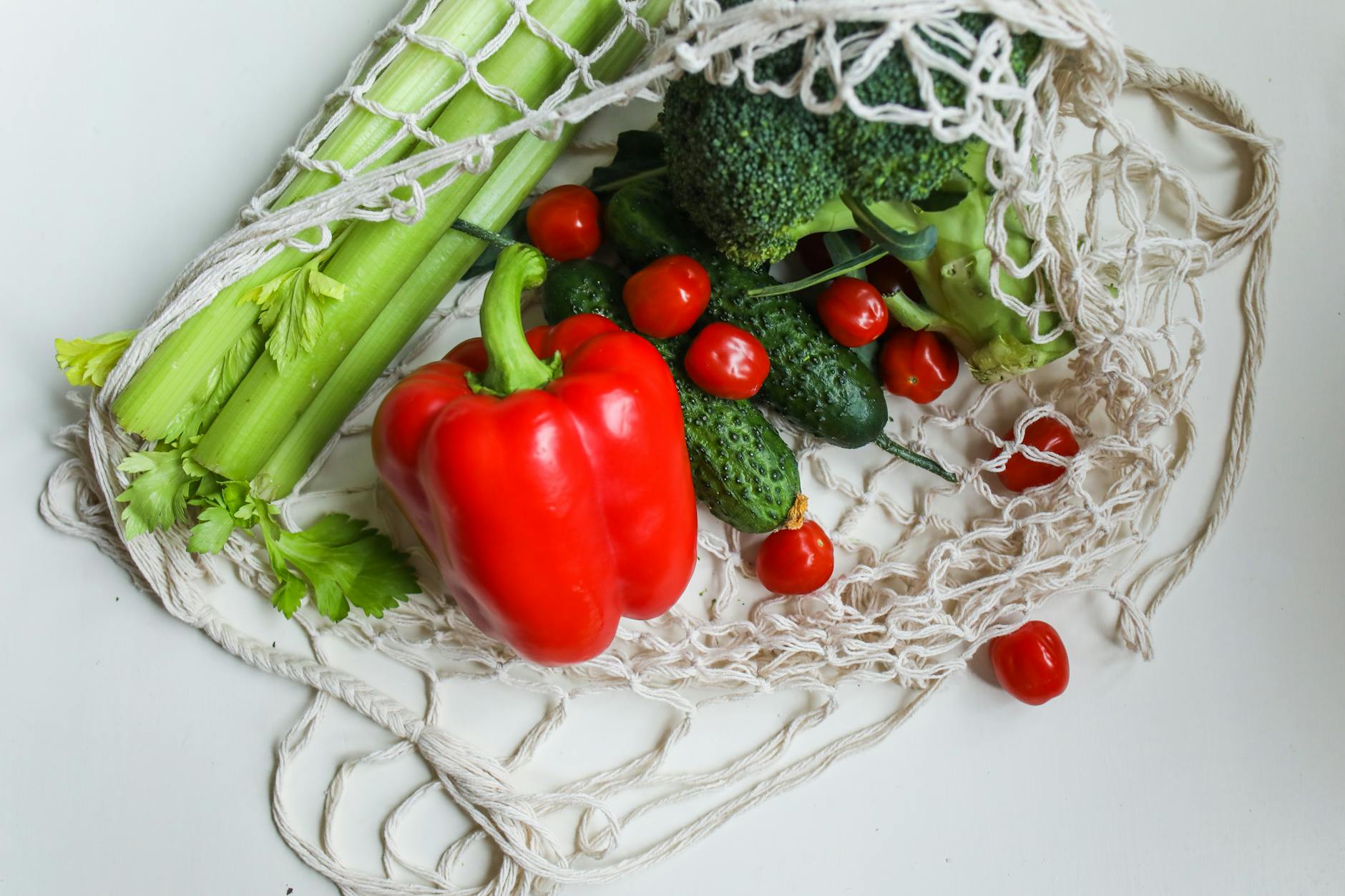
Nutrition is only part of the story when we’re evaluating fresh vs frozen vegetables. Fresh vegetables generally provide superior texture for salads, roasting, and raw preparations. Crisp lettuce, cucumbers, bell peppers, and snap peas have trouble with freezing because they lose structural integrity during processing. This makes fresh produce a better choice for dishes where texture, like crunch and mouthfeel, matter.
Frozen vegetables excel in soups, stews, casseroles, smoothies, pasta dishes, and stir-fries. Frozen spinach, peas, and green beans can be incorporated seamlessly into recipes with minimal compromise.
For many families, frozen vegetables also remove barriers to healthy choices because they are convenient, budget-friendly, and available year-round.
Sustainability and Food Waste Considerations
Why Frozen Vegetables May Reduce Food Waste
One of the overlooked advantages of frozen vegetables is their role in reducing food waste.
Fresh produce spoils quickly. Wilted lettuce, moldy berries, and limp zucchini are common refrigerator casualties. Americans discard substantial amounts of fresh fruits and vegetables each year because they perish before use. Frozen vegetables offer longer shelf life and portion flexibility. Consumers can use only what they need and return the remainder to the freezer. This approach minimizes waste while supporting consistent servings of fruits and vegetables throughout the week.
For busy households, that convenience becomes a great way to increase vegetable consumption overall.
Seasonal Eating and Availability
Fresh produce is ideal during local harvest seasons. Tomatoes in late summer or asparagus in spring often deliver exceptional flavor and texture. Supporting regional farmers also reduces transportation emissions and strengthens local food systems.
Frozen vegetables help bridge nutritional gaps during the winter months when certain crops are unavailable, expensive, and almost exotic. Because frozen produce is available year-round, consumers can enjoy nutrient-dense vegetables even when seasonal access is limited.
Are Fresh Vegetables Ever the Better Choice?
Situations Where Fresh Produce is Superior
Fresh vegetables may be the fresh option worth prioritizing when:
- Buying locally harvested produce
- Preparing raw dishes
- Seeking optimal texture
- Choosing highly perishable herbs or greens
- Enjoying seasonal flavor at peak ripeness
Fresh fruits and vegetables can provide extraordinary culinary experiences when consumed shortly after harvest. A ripe tomato from a farmers’ market is difficult to replicate with a frozen version.
Similarly, fresh veggies often contain volatile aromatic compounds that contribute to superior flavor complexity.
Fresh vs Frozen Vegetables: FAQs
When Does Frozen Vegetables Make More Sense?
Frozen vegetables are often a good choice when:
- Convenience is important
- Budgets are tight
- Seasonal produce is unavailable
- Reducing food waste is a priority
- Meal prep efficiency matters
- Long-term storage is needed
For many households, frozen vegetables are the better choice simply because they increase vegetable intake consistency.
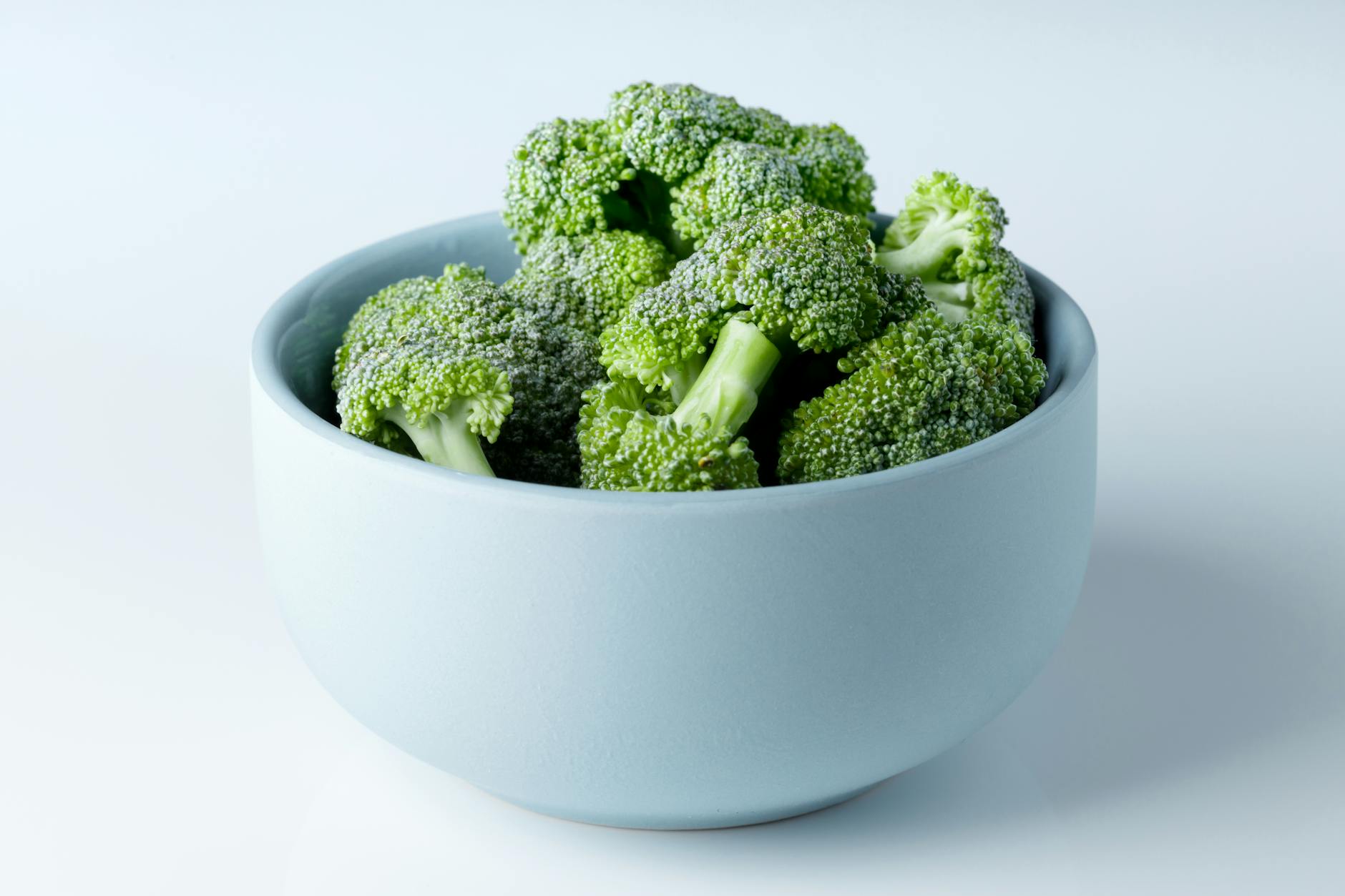
A nutrition expert would likely agree that eating frozen broccoli regularly is far healthier than allowing fresh broccoli to spoil untouched in the refrigerator.
How Do You Choose the Healthiest Vegetables?
Smart Shopping Tips for Fresh Produce
When buying fresh vegetables:
- Look for vibrant color and firm texture
- Avoid bruising or sliminess
- Purchase smaller quantities more frequently
- Store properly to reduce nutrient loss
- Consume quickly after purchase
Fresh vegetable juice can also support nutrient intake, though whole vegetables generally provide more fiber and satiety.
Smart Shopping Tips for Frozen Vegetables
Next time you shop the frozen foods aisle:
- Choose plain frozen vegetables without sauces
- Avoid products with excessive sodium
- Check ingredient labels carefully
- Store continuously frozen products properly
- Cook minimally to preserve nutrients
Steaming or microwaving frozen vegetables may preserve more nutrients than prolonged boiling.
The Final Verdict on Fresh vs Frozen Vegetables
The debate over fresh vs frozen vegetables does not have a simplistic winner.
Fresh produce can offer exceptional flavor, texture, and nutritional value when consumed close to harvest. Frozen vegetables, meanwhile, provide convenience, affordability, reduced food waste, and reliable nutrition available year-round.
Food science makes one thing clear: both fresh vegetables and frozen vegetables can support excellent health benefits.
The most important factor is overall vegetable consumption.
Whether it is green beans from the freezer, roasted broccoli from the farmers market, or a quick vegetable juice blend before work, increasing servings of fruits and vegetables remains one of the most powerful dietary improvements people can make.
At the end of the day, the best way to approach nutrition is flexibility rather than rigidity.
Fresh or frozen, vegetables are still one of the healthiest choices in the first place.
Discover more from made to sustain
Subscribe to get the latest posts sent to your email.